
Speed limiters, also known as speed governors or speed restrictors, are devices designed to control and restrict the maximum speed of a vehicle. These devices play a crucial role in enhancing road safety by preventing vehicles from exceeding a predetermined speed limit. Here’s a comprehensive overview of how speed limiters work, their benefits, and their impact on road safety.
Speed limiters are typically electronic devices that interface with a vehicle’s engine management system. They work by electronically limiting the fuel supply or engine power once the vehicle reaches a certain speed threshold. This threshold is often set by regulatory authorities or vehicle manufacturers and can vary depending on the type of vehicle and its intended use.
Modern speed limiters use advanced technology to accurately control the vehicle’s speed. They can be programmed to enforce different speed limits, such as those specific to urban areas, highways, or certain road conditions. Some systems also allow for temporary adjustments, such as during emergency situations or when passing vehicles.
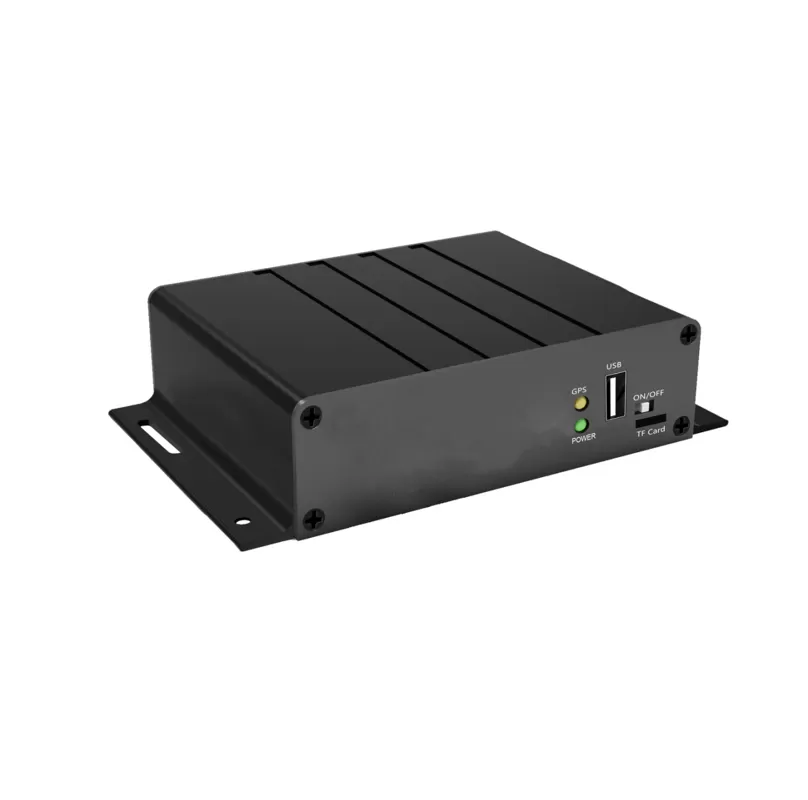
Studies have shown that the implementation of speed limiters can significantly reduce the number and severity of accidents. By ensuring that vehicles operate within safe speed limits, these devices mitigate the risks associated with speeding, such as loss of vehicle control, increased stopping distances, and reduced reaction times.
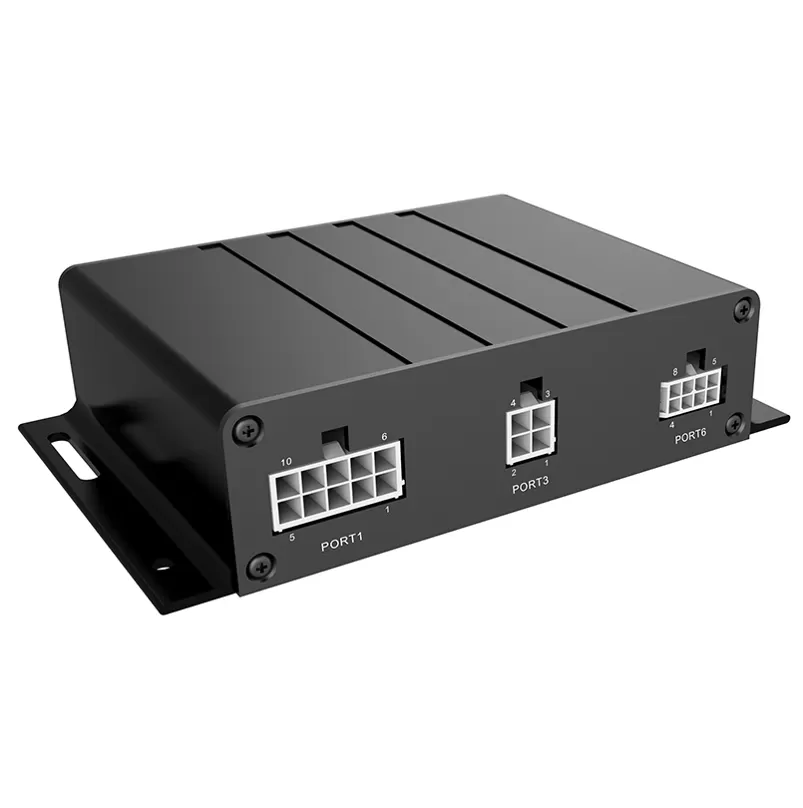
While speed limiters offer clear benefits, their implementation and effectiveness depend on various factors:
Speed limiters are integral to modern road safety initiatives, offering a proactive approach to reducing accidents and improving overall traffic management. As technology advances and regulations evolve, the role of speed limiters is likely to expand, contributing further to safer and more efficient transportation systems globally.
In summary, speed limiters represent a critical tool in promoting responsible driving behavior, enhancing vehicle safety, and mitigating the risks associated with speeding. Their continued adoption and refinement are essential steps towards achieving sustainable and safer road environments for all road users.