
If you want to choose a vehicle monitoring system, first think about what you need. Decide what matters most to you and what you hope to get. You might care about safety. You might want to spend less money. You might need to watch many vehicles. Studies show that AI and IoT trackers help fleets work better and stay safer. Here is a simple table:
| What Improves? | How It Helps |
| Safety | In-cabin monitoring, hazard detection |
| Efficiency | Predictive coaching, lower costs |
HBOIOT GPS Tracker gives you choices for different vehicles and needs.
Key Takeaways
- Think about what you need before picking a vehicle monitoring system. Decide if you want it for yourself or for a group of vehicles.
- Look for important features like real-time GPS tracking, strong build, and safe data. These things help keep you safe and make work easier.
- Pick a system that can grow with your group of vehicles. Scalability lets you add or remove vehicles when you need to.
- Check if the company is reliable and gives good help. Good customer service fixes problems fast and keeps your vehicles working well.
- Always make sure you follow the law and privacy rules. Following these rules keeps your business safe and helps your team trust you.
Identify Your Needs
Personal vs. Business
When you pick a vehicle monitoring system, think about who will use it. Are you watching your own car, or do you manage many cars for work? Your goals will change based on your needs. Here’s a simple table to show the difference:
| Goal | Business Context | Personal Context |
| Enhancing fleet efficiency | Companies use monitoring to find better routes and spend less money. | N/A |
| Reducing costs | Monitoring helps spot problems, so fuel and repairs cost less. | N/A |
| Improving customer service | Real-time tracking lets businesses give better delivery times. | N/A |
| Ensuring security and theft recovery | GPS systems help get back stolen vehicles and keep things safe. | N/A |
| Maintaining regulatory compliance | Businesses use tracking to follow transportation rules. | N/A |
If you want to keep your car safe, you may care most about stopping theft. If you run a business, you might want to save money and follow the rules.
Fleet Size & Vehicle Types
How many vehicles you have changes what you need. Small fleets, with five to fifty vehicles, often use simple tracking and write things down by hand. Big fleets, with hundreds of vehicles, need more advanced systems. Here are some things to think about:
- Small fleets get help from alerts and automatic records. This saves time and stops mistakes.
- Real-time tracking helps small fleets keep up with bigger ones.
- Large fleets use systems that work together to handle more vehicles and information.
- Small fleets have less money, so they must spend wisely.
You also need to pick the right tracker for your vehicle. HBOIOT GPS Tracker has models for different jobs. The HB-A1T is good for big trucks and farm machines. The HB-A5M works for small cars and motorcycles. The HB-A3B is best for managing many vehicles.
Tracking Goals
What do you want to do? Your goals help you pick the best system. Fleet managers often want to:
- Make sure vehicles are ready to use.
- Check how well the fleet works.
- Teach their team new skills.
- Build a strong team.
- Spend less money.
- Use better technology.
When you know your goals, you can pick a vehicle monitoring system that fits you. HBOIOT GPS Tracker gives you choices for safety, saving money, and following rules.
Essential Features
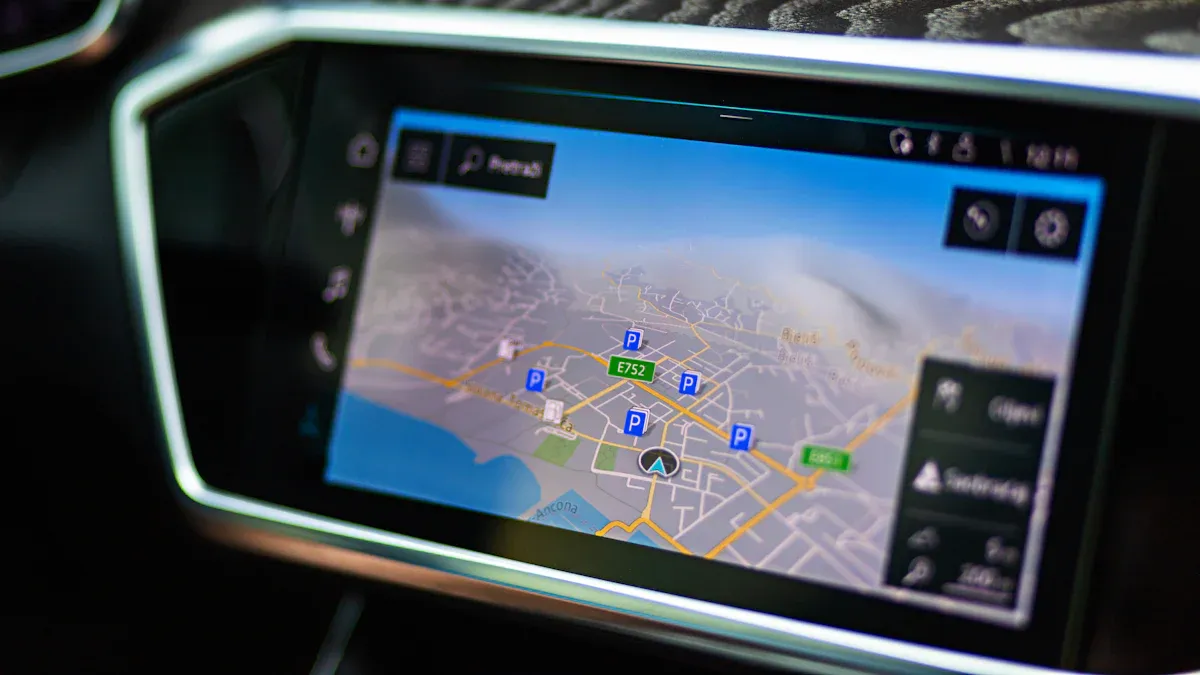
When you pick a vehicle monitoring system, you want it to be simple and safe. The right features help you and protect your vehicles. Let’s look at what is most important.
Real-Time GPS Tracking
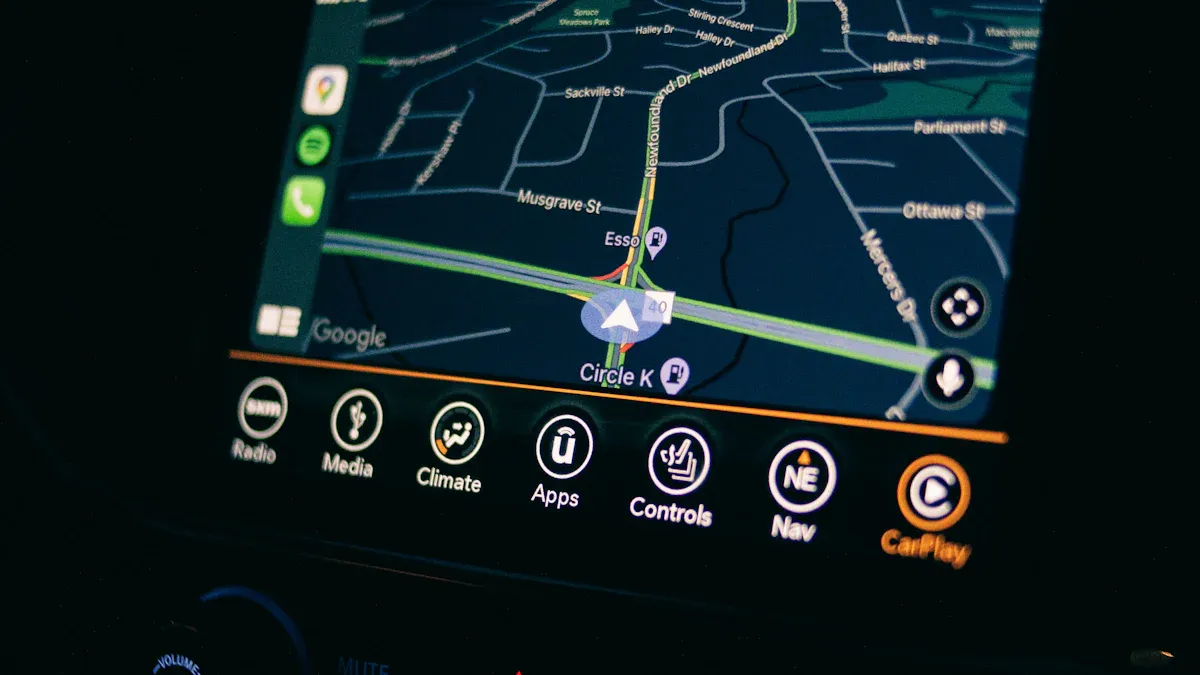
It is important to always know where your vehicles are. Real-time GPS tracking gives you updates right away. This helps you plan better routes and act fast in emergencies. It also keeps drivers safe. Here is how real-time tracking helps:
| Benefit | Description |
| Improved operational efficiency | You can find better routes and send drivers out faster. |
| Reduced fuel and maintenance costs | You notice bad driving and save money on gas and repairs. |
| Proactive maintenance | You get alerts before things break, so you avoid big problems. |
| Driver safety and accountability | You watch how drivers act and help them drive safely. |
| Faster customer service | You give customers the right arrival times, which makes them happy. |
HBOIOT GPS Tracker models like the HB-A3B give real-time tracking with 4G. This means you get fast and steady updates.
Durability & Reliability
You need a tracker that works in all weather. Devices with an IP67 rating stay safe from dust and water. HBOIOT’s waterproof HB-A5D works even in rain or mud. Most regular sensors stop working in tough weather, but IP67 trackers work 99.7% of the time. This means less time fixing things and less stress for you.
Integration & Compatibility
Your system should work with other tools you use. HBOIOT GPS Trackers connect with other platforms. This lets you link to maintenance software, HR systems, and safety tools. You can set up reminders, track driver lessons, and keep records together. Integration saves time and helps your team stay neat.
Data Security
It is very important to keep your data safe. Look for systems that use digital certificates and strong encryption like TLS or HTTPS. These keep your information safe from hackers. Good trackers also follow privacy rules like GDPR and CCPA. HBOIOT devices use safe connections and meet industry standards for your peace of mind.
Mobile App & Alerts
You want updates wherever you are. Mobile apps send alerts for speeding, low battery, or when you need maintenance. This helps you act fast and keep things running well. HBOIOT’s mobile app lets you control things from anywhere.
Tip: If your fleet gets bigger, make sure your system can grow too. HBOIOT GPS Trackers are made to add more vehicles and new features.
If you focus on these key features, it will be easier to pick a vehicle monitoring system that fits your needs.
Compare System Types
When you choose a vehicle monitoring system, you see many types. Each one works best for different needs. Let’s break down the main options so you can pick what fits you.
OBD2 Devices
OBD2 devices are super easy to use. You just plug them into your car’s OBD-II port. Most cars made after 1996 have this port. You don’t need tools or a mechanic. It takes less than a minute to set up. These trackers give you basic location info and can even show you engine problems. Many people use them for rental cars or their own vehicles. If you want something quick and simple, OBD2 is a great choice.
Tip: OBD2 trackers are the lowest cost option and work well for small fleets or personal cars.
Battery-Powered Trackers
Battery-powered trackers, like magnetic GPS trackers, don’t need any wires. You can stick them under a seat or on a metal surface. They are perfect if you want to track a car for a short time or keep things hidden. People use them to watch for theft or check on a delivery. You just need to charge the battery now and then. These trackers are portable and easy to move from one vehicle to another.
- Great for temporary tracking
- Handy for covert jobs
- No installation needed
Hardwired Solutions
Hardwired GPS trackers connect right to your vehicle’s power. You usually need a professional to install them. It takes about 30 to 60 minutes. These trackers stay hidden and can’t be unplugged easily. They work best for big fleets, trucks, or expensive vehicles. Hardwired trackers give you advanced features like remote engine shut-off and detailed reports.
Here’s a quick look at how these types compare:
| Tracker Type | Installation Time | Cost | Best For |
|---|---|---|---|
| OBD2 Device | < 1 minute (plug-in) | Lowest | Small fleets, rentals, personal vehicles |
| Battery-Powered | No install (portable) | Low to medium | Temporary or covert tracking |
| Hardwired Solution | 30-60 minutes (pro help) | Higher | Large fleets, high-value vehicles |
Think about your goals and how long you want to track. This will help you choose a vehicle monitoring system that matches your needs.
Provider Evaluation
Reliability & Support
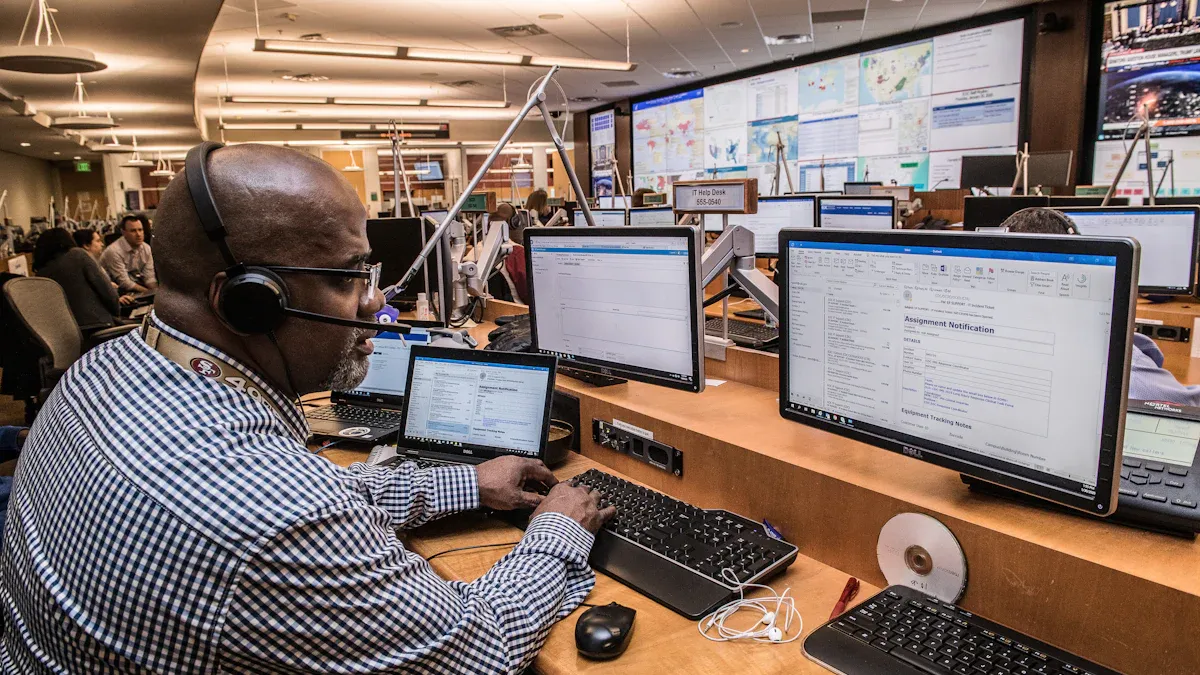
You want a provider you can count on. When picking a vehicle monitoring system, choose a company that supports its products. HBOIOT checks every GPS tracker before sending it to you. If you have questions or problems, HBOIOT’s support team will help you. Good customer support means you get help fast and your vehicles keep moving. Always check if the provider gives clear guides, training, and easy ways to reach support.
Tip: Try calling customer service before you buy. See how fast they answer and if they are helpful.
Scalability
Your needs might change over time. You may start with five vehicles and later have fifty. A good system grows with your fleet. HBOIOT GPS Trackers let you add or remove vehicles easily. You only pay for what you use, so you save money as your fleet changes. Here is what makes a system scalable:
| Feature | Description |
|---|---|
| Scalability | Grows or shrinks with your fleet, stays efficient. |
| Seamless Vehicle Management | Add or remove vehicles easily. |
| Cost-Efficiency | Pay for only what you need. |
| Enhanced Efficiency | Keeps your fleet running smoothly as it grows. |
| Future-Proofing | Ready for new technology and more vehicles. |
| Resource Allocation | Move resources where you need them. |
| Competitive Edge | Stay ahead by adapting quickly. |
You want a system that can change with your business. HBOIOT helps you get ready for the future.
User Experience
You should feel good using your vehicle monitoring system every day. Look for a simple interface that is easy to use. HBOIOT has a mobile app and a web dashboard. You can check your vehicles, set alerts, and get updates right away. You can pick what alerts matter most, like speed or maintenance. Good customer support also helps a lot. Here is what users say is important:
| User Experience Factor | Description |
|---|---|
| User-friendly interface | Easy to use and understand. |
| Mobile app and web interface | Quick access to all features. |
| Customization options | Set alerts and notifications your way. |
| Real-time notifications | Stay updated on vehicle status. |
| Customer support | Get help when you need it. |
Note: Before you pick a vehicle monitoring system, ask for a demo or trial. Try the system yourself. Make sure it works for you and is easy to use.
Setup & Costs
Installation & Training
Setting up a vehicle monitoring system is not hard. Most GPS trackers are easy to install. If you have a small fleet, it takes just a few minutes. Large fleets take longer because there are more vehicles. You also need to work with your team to plan.
Here’s a table that shows how long it takes:
| Fleet Size | Average Installation Time |
|---|---|
| Small Fleet (10 vehicles) | Shorter total installation period |
| Large Fleet (100+ vehicles) | Longer total installation period due to logistical complexity |
You might need help learning how to use the system. Many companies have online guides and videos. Some even give live help. You can learn to use the dashboard and set alerts. You can also learn to make reports. HBOIOT GPS Trackers come with step-by-step guides. Their support team is friendly and answers questions fast.
Tip: Try setting up one tracker first. When you know how, you can do the rest faster.
Ongoing Expenses
After you set up your system, you will have monthly costs. Most systems use a subscription. You pay a set fee for each vehicle. Basic plans cost $15 to $25 per vehicle each month. These plans give you real-time tracking and simple reports. If you want more features, you pay more.
Here’s a table of common costs:
| Expense Type | Cost Range |
|---|---|
| Core SaaS subscription | $9.95–$45 cellular; $70+ satellite |
| Data overages and international roaming | Varies |
| Feature modules (e.g., driver coaching) | +$3–$25 |
| Battery replacements | Varies |
| Premium support or 24/7 monitoring | +$2–$5 |
You might pay extra for things like new batteries or special help. Some companies have basic plans for $128 per month. Premium plans can be as high as $856 per month if you want more features.
- Subscription plans mean you pay every month or year.
- More expensive plans give you more tools and better help.
- Pick the plan that matches your needs and budget.
If you plan ahead, you can keep your costs low and get the best value from your vehicle monitoring system.
Legal & Ethical Factors
Compliance
You must follow the law when using a vehicle monitoring system. These rules help keep everyone safe on the road. If you manage a fleet, you need to know both federal and state rules. Here are some important things to remember:
- The Department of Transportation and FMCSA make safety rules for fleets.
- You have to do regular checks and fix your vehicles.
- You need to keep good records about your drivers.
- Telematics systems help you follow the rules and work better.
- Some states have extra rules about registration, weight, and safety.
You also need Electronic Logging Devices to track Hours of Service. Make sure you follow rules for drug and alcohol tests. You should keep up with medical exams. Check that your vehicles meet size, weight, and emissions rules. If you skip these steps, you could get fined or lose your license.
Tip: Always check both federal and state rules before you start. Laws can be different in each place.
Privacy
Privacy is very important when you track vehicles. You collect data about where people go and how they drive. Different places have different rules for this information. Here is what you should know:
- Privacy laws are different depending on where you are.
- Some places have strict rules for collecting data and keeping it safe.
- You must know local laws to protect privacy rights.
Some countries, like the United States, Brazil, and Australia, have special privacy laws. For example, California’s CCPA, Brazil’s LGPD, and Australia’s Privacy Act have clear rules for companies. If you work in more than one country, you must follow the strictest law.
“If a company owns the vehicles, it can usually use GPS tracking. This is because the company has the right to know where its vehicles are.”
You should always tell your drivers about tracking. Get their consent if the law says you must. This helps build trust and keeps you out of trouble.
How to choose a vehicle monitoring system
Decision Checklist
You want to make a smart choice when you choose a vehicle monitoring system. A checklist helps you stay on track and not miss anything important. Here’s a simple table to guide you:
| Step | What to Check | Why It Matters |
|---|---|---|
| 1 | Define your goals | Know if you want safety, cost savings, or better routes |
| 2 | Match hardware to your vehicles | Make sure the tracker fits your cars, trucks, or machines |
| 3 | Check software features | Look for real-time tracking, alerts, and easy reports |
| 4 | Test before you buy | Try a demo or pilot to see if it works for you |
| 5 | Review support and training | Good help makes setup and use much easier |
| 6 | Plan for growth | Pick a system that can add more vehicles later |
| 7 | Confirm legal compliance | Stay safe with privacy and safety rules |
You can also use this quick list before you decide:
- Understand your needs. Do you want to track for safety, save money, or follow rules?
- Pick the right hardware. Some trackers plug in, some use batteries, and some are hardwired.
- Choose a platform that works with your other tools.
- Install and test the system on a few vehicles first.
- Train your team so everyone knows how to use it.
Tip: Involve your drivers and staff in the process. They can give you feedback and help spot problems early.
You should also check roles and responsibilities. For example, the Regional Transportation Office leads inspections, while contractors must follow all rules and keep vehicles in good shape. A certified mechanic should check vehicles every year.
Next Steps
Now you have your checklist. What comes next? Here’s a step-by-step plan to help you move forward:
- Start small. Try the system with a few vehicles first. This helps you see what works and what doesn’t.
- Focus on getting your drivers on board. Show them how the system helps everyone.
- Add more features slowly. Don’t try everything at once. Let your team get used to the basics first.
- Connect your new system with your old tools. This keeps all your data in one place.
- Set clear rules for how you use and protect data. This builds trust with your team.
- Measure how well the system works. Look at things like fuel savings, fewer accidents, or better delivery times.
Here’s a table with real-world results:
| Case Study | What They Did | Results |
|---|---|---|
| Trucking Company in Phoenix | Used a fleet system to improve routes and driver habits | 15% less fuel used, 10% more on-time deliveries |
| Construction Company in Arizona | Added GPS and driver checks for safety | 20% fewer accidents, 15% better safety scores |
| Delivery Service in Flagstaff | Used tracking for routes and customer updates | 5% happier customers, 8% faster deliveries |
Note: Don’t rush. If you skip testing or forget to measure results, you might miss out on big benefits.
Common mistakes include picking the first system you see, not asking your team for input, or forgetting to test before buying. Always look for new ways the system can help you. When you choose a vehicle monitoring system, think about the future, not just today.
You’re ready to choose a vehicle monitoring system that fits your needs. Use your checklist, involve your team, and take it step by step. If you want to see how a system works, ask for a demo from a provider like HBOIOT. This way, you can feel confident in your decision and get the most value for your business.
When you match system features to your goals, you set your fleet up for success. Take time to compare options. This helps you find the right fit and avoid surprises. Here’s what you gain when you follow each step:
- You target the features that solve your biggest challenges.
- Your system grows with your fleet.
- Everyone on your team finds it easy to use.
- You get strong support and regular updates.
| Benefit Type | Description |
|---|---|
| Cost Savings | You save money with better routes and fewer repairs. |
| Customer Satisfaction | Real-time tracking keeps your customers happy and informed. |
| Compliance | You avoid fines by following all the rules. |
| Data-Driven Decisions | You make smarter choices using the data you collect. |
Before you choose a vehicle monitoring system, use your checklist and test a demo. Reach out to providers like HBOIOT for help and see how their solutions fit your needs.
FAQ
How does a GPS tracker help my business?
A GPS tracker shows you where your vehicles are at all times. You can plan better routes, save money on fuel, and keep your drivers safe. You also get alerts if something goes wrong.
Can I install a GPS tracker by myself?
Yes, you can! Many trackers, like OBD2 and battery-powered models, just plug in or stick on. You do not need special tools. For hardwired trackers, you may want a professional to help.
Is my data safe with a vehicle monitoring system?
Your data stays safe when you use a trusted provider. HBOIOT uses strong encryption and follows privacy laws. You control who sees your information.
What types of vehicles can I track?
You can track cars, trucks, motorcycles, buses, and even farm machines. HBOIOT GPS Trackers work with many vehicle types. Just pick the right model for your needs.
Do I need to pay every month for tracking?
Most systems use a monthly plan. You pay for each vehicle you track. Some plans include extra features, like driver coaching or premium support.