
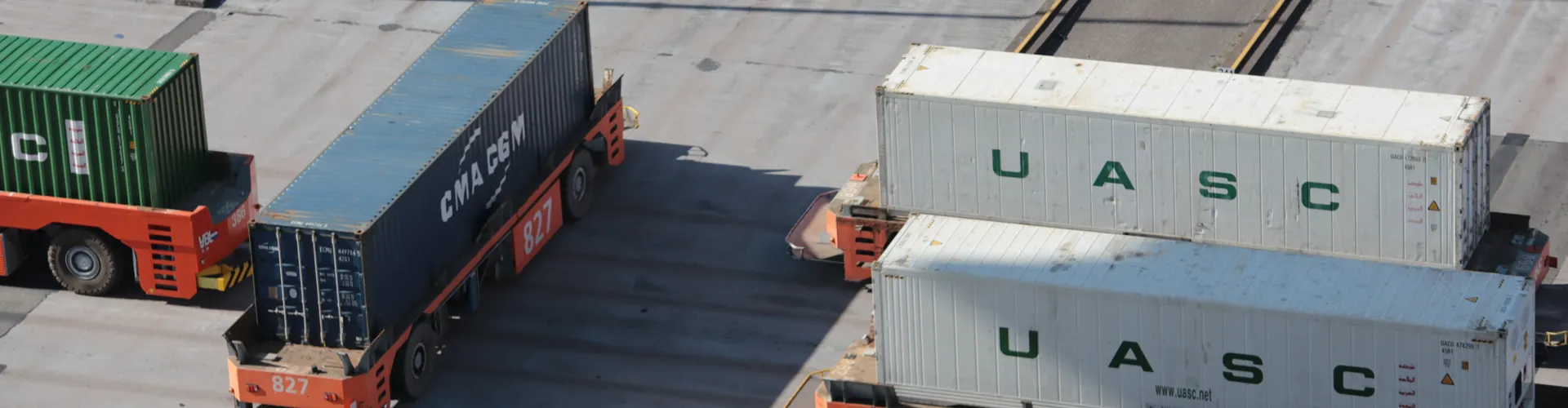
Video telematics is quickly becoming a key part of modern fleet safety, helping companies improve driver behavior, reduce accidents, and gain real-time visibility through AI-powered cameras and GPS tracking.
As demand grows, several leading manufacturers have emerged with advanced solutions tailored for different fleet sizes and industries. In the following sections, we’ll look at the top video telematics providers and what makes each of them stand out.
Why Video Telematics is the Standard
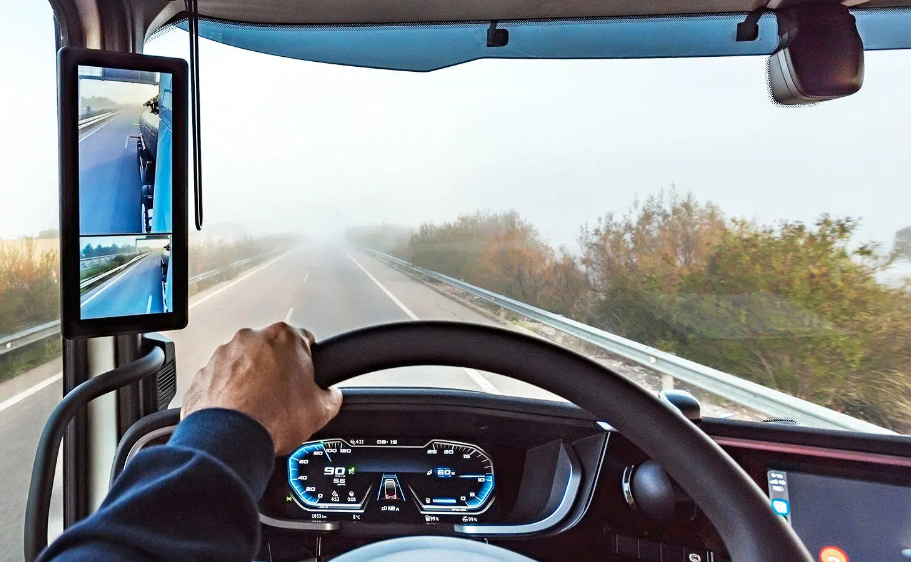
Video telematics has become a standard solution in modern fleet management because it combines real-time vehicle data with visual evidence from onboard cameras. Unlike traditional GPS tracking systems that only provide location and speed information, video telematics helps fleet managers understand exactly what happened on the road. This additional level of visibility improves safety, reduces operational risks, and supports more informed decision-making.
Improved Driver Safety
Video telematics captures driving events such as harsh braking, rapid acceleration, distracted driving, and unsafe following distances. Fleet managers can review footage and provide targeted coaching to help drivers develop safer driving habits and reduce accident rates.
Accurate Incident Verification
When an accident or dispute occurs, video footage provides objective evidence of the event. This helps determine liability, speeds up claims processing, and protects businesses from false claims and unnecessary legal expenses.
Enhanced Fleet Visibility
By combining GPS data, vehicle diagnostics, and video recordings, fleet operators gain a complete view of fleet activity. This allows managers to monitor vehicle usage, driver behavior, route efficiency, and operational performance from a single platform.
Lower Operating Costs
Safer driving behaviors often result in reduced fuel consumption, lower vehicle wear, and fewer accidents. Video telematics also helps identify inefficient practices that may increase maintenance and operational costs over time.
Compliance and Risk Management
Many industries face strict safety and compliance requirements. Video telematics provides documented records of driving activities, helping companies maintain compliance, improve accountability, and reduce operational risks.
As fleet operations become increasingly data-driven, video telematics continues to set the standard by delivering both actionable insights and visual context that traditional fleet tracking systems cannot provide.
Market Classification: Hardware Manufacturers vs. Cloud-First IoT Ecosystems
The video telematics market is not a single unified category—it is divided into several distinct provider types based on technology focus, system architecture, and value delivery. Broadly, these can be grouped into three major segments: enterprise IoT platforms, legacy video safety pioneers, and MDVR hardware specialists.
Enterprise IoT Platforms: Full-Stack Ecosystems with High Software-Hardware Integration
Enterprise IoT platform providers deliver end-to-end fleet intelligence systems that tightly integrate hardware, cloud infrastructure, and AI analytics into one ecosystem.
Key characteristics:
- Cloud-native architecture with real-time data processing
- AI-powered driver behavior analysis (fatigue, distraction, harsh driving)
- Unified fleet dashboards for vehicles, drivers, and incidents
- Seamless integration between dashcams, GPS, and telematics control units
- Predictive analytics for risk prevention and maintenance optimization
Typical advantages:
- High scalability for large fleets
- Strong data visibility and centralized management
- Continuous software updates and AI improvements
These solutions are most commonly used by enterprise logistics companies, large transportation operators, and global fleet networks that prioritize digital transformation and data-driven decision-making.
Legacy Video Safety Pioneers: Providers with Proprietary Driving Behavior Databases
Legacy video telematics providers are early market entrants that built their reputation on long-term road safety data accumulation and proven behavioral models.
Key characteristics:
- Mature in-vehicle video safety systems
- Proprietary driving behavior databases built over years of fleet data
- Strong focus on safety events (collision, harsh braking, speeding)
- Driver scoring systems based on historical performance
- Established partnerships with insurers and regulatory bodies
Core strengths:
- Highly validated safety algorithms
- Strong compliance and risk management capabilities
- Proven reliability in real-world fleet environments
These providers are often preferred by risk-sensitive industries such as insurance-linked fleets, public transportation, and regulated logistics operations.
Commercial Vehicle MDVR Specialists: High-Performance Hardware Providers Leveraging Cost-Efficiency
MDVR (Mobile Digital Video Recorder) specialists focus primarily on robust and cost-effective hardware solutions designed for commercial vehicle monitoring.
Key characteristics:
- Multi-channel video recording (front, cabin, side, rear)
- Local storage with high-capacity SD cards or HDD support
- Designed for harsh environments (vibration, temperature, long operation hours)
- Flexible hardware configuration for different vehicle types
- Cost-efficient large-scale deployment model
Main advantages:
- High durability and stable onboard recording
- Lower total cost of ownership for large fleets
- Flexible installation for buses, trucks, taxis, and construction vehicles
While some MDVR systems now include basic cloud functions, their core strength remains hardware reliability and affordability, making them ideal for fleets that prioritize deployment scale over advanced AI analytics.
Top Video Telematics Manufacturers and Providers
The video telematics market includes a mix of global SaaS platforms, AI-driven safety providers, and hardware-focused IoT manufacturers. Each plays a different role in fleet safety projects depending on whether the priority is data intelligence, driver safety analytics, or cost-efficient hardware deployment.
Below is an overview of the leading providers and what they are known for.
Leading Video Telematics Providers Overview
Samsara
Samsara is a cloud-native IoT platform that combines video telematics, GPS tracking, and fleet management into a unified system. It is widely known for its real-time visibility and strong AI-powered safety tools.
Key strengths:
- Real-time HD video streaming and event-based recording
- AI detection of distracted driving and risky behaviors
- Strong integration across fleet, equipment, and operations data
- Scalable platform for large enterprise deployments
Best suited for large logistics fleets and companies undergoing digital transformation.
Geotab
Geotab focuses on data-driven fleet intelligence and scalable telematics infrastructure. While traditionally strong in GPS and analytics, it has expanded into video telematics through ecosystem integrations.
Key strengths:
- Advanced fleet data analytics and reporting
- Large third-party integration ecosystem (APIs and add-ons)
- Strong OEM and vehicle compatibility
- Flexible deployment across mixed fleets
Best suited for enterprises needing customizable fleet data platforms.
Lytx
Lytx is one of the earliest pioneers in video-based fleet safety and has built one of the largest proprietary driving behavior databases in the industry.
Key strengths:
- Extensive real-world driving behavior dataset
- High-accuracy event detection (collision, near-miss, harsh driving)
- Strong driver safety scoring systems
- Deep experience in compliance and risk management
Best suited for safety-critical fleets such as long-haul trucking and insurance-linked operations.
Motive
Motive (formerly KeepTruckin) offers an AI-driven fleet safety and compliance platform that integrates smart dashcams with operational automation tools.
Key strengths:
- AI dashcam for driver monitoring and alerts
- Hours-of-service (HOS) and compliance automation
- Fuel efficiency and cost control tools
- Strong focus on trucking and logistics sectors
Best suited for trucking fleets and last-mile delivery operations.
Hboiot
HBO IoT is a hardware-driven video telematics and MDVR solution provider focused on cost-effective deployment for commercial vehicle fleets.
Key strengths:
- MDVR-based multi-channel video recording systems
- Flexible hardware configuration for different vehicle types
- Stable onboard storage with high reliability
- Cost-efficient solutions for large-scale deployment
- Optional IoT integration for fleet monitoring
Best suited for budget-sensitive fleets, bus operators, taxi fleets, and regional logistics companies that prioritize hardware stability and deployment cost efficiency over advanced SaaS analytics.
Verizon Connect
Verizon Connect provides enterprise fleet tracking and video telematics solutions built on strong network and connectivity infrastructure.
Key strengths:
- Reliable vehicle tracking and fleet visibility
- Video integration with telematics data
- Strong enterprise-grade connectivity support
- Scalable for large commercial fleets
Best suited for large enterprises requiring stable connectivity and fleet tracking integration.
Trimble
Trimble specializes in industrial-grade fleet management solutions, particularly for construction, heavy equipment, and field service operations.
Key strengths:
- Strong focus on rugged industrial environments
- Integration with construction and asset management systems
- Reliable telematics for heavy-duty vehicles
- End-to-end workflow optimization tools
Best suited for construction, mining, and industrial fleets.
Comparison Table of Top Providers
| Provider | Category | Key Strengths | Ideal Use Case |
|---|---|---|---|
| Samsara | Cloud IoT platform | Real-time AI video, full fleet ecosystem | Large enterprise logistics |
| Geotab | Fleet data platform | Analytics, API ecosystem, scalability | Mixed and enterprise fleets |
| Lytx | Video safety pioneer | Large driving behavior database, safety analytics | High-risk fleets, compliance-heavy industries |
| Hboiot | MDVR hardware provider | Cost-efficient hardware, stable recording systems | Budget fleets and commercial vehicles |
| Verizon Connect | Enterprise telematics | Strong connectivity and tracking infrastructure | Large commercial fleets |
| Trimble | Industrial fleet systems | Heavy-duty and construction focus | Construction and field service fleets |
| Motive | AI fleet platform | Smart dashcams, compliance automation | Trucking and delivery fleets |
4 Key Factors to Choose a Fleet Safety Video Telematics System
Choosing the right fleet safety video telematics system is about more than just hardware or software features. The best solutions balance reliability, intelligence, integration, and long-term value to support real-world fleet operations.
System Reliability and Hardware Quality
A fleet system must work consistently in demanding environments. Stable video recording, strong night vision, and durable hardware are essential to ensure critical driving events are always captured without data loss.
AI Safety and Driver Monitoring
Modern systems use AI to detect risky driving behaviors such as distraction, fatigue, or harsh driving. Real-time alerts and driver scoring help fleets reduce accidents before they happen, not just record them after the fact.
Integration with Fleet Operations
A good telematics system should integrate smoothly with GPS tracking, fleet management platforms, and cloud dashboards. This allows managers to view vehicle status, driver behavior, and video data in one unified system.
Cost and Scalability
Beyond initial cost, fleets should consider long-term expenses like subscriptions, storage, and maintenance. A scalable system ensures consistent performance as the fleet grows, without requiring major system changes.