

While consumer dashcams offer basic recording, they lack the data-driven insights needed for professional operations. Upgrade to a fleet-grade solution today to gain real-time remote monitoring, automated incident reporting, and enhanced driver safety management—essential tools for reducing liability and scaling your business efficiently. Contact us to find out which system is the right fit for your commercial fleet.
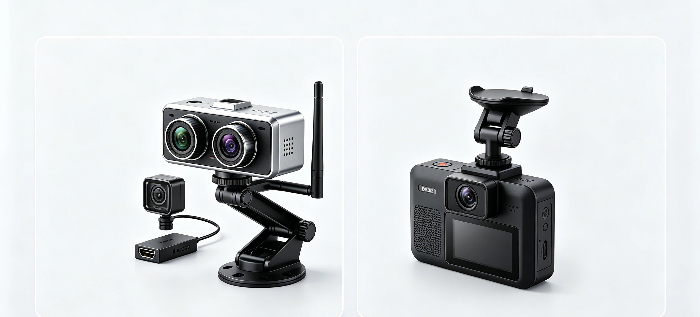
What Is a Fleet Dashcam
A fleet dashcam is a camera installed in vehicles such as vans, trucks, buses, or service cars to capture video while the vehicle is in use. Many systems also include GPS tracking, event detection, cloud access, and sometimes AI features for monitoring risky driving behavior. These devices are commonly used in fleet operations to improve visibility, support driver coaching, and provide evidence in case of accidents or disputes.
Main Functions
- Records road footage during driving.
- Captures incident evidence such as harsh braking or collisions.
- Tracks vehicle location when paired with GPS.
- Supports driver safety monitoring and coaching.
- Helps reduce insurance disputes and operational risk.
Why Businesses Use It
Fleet dashcams give managers a clearer view of how vehicles are being used on the road. They are especially useful for logistics, delivery, construction, utilities, and service fleets where safety, accountability, and route verification matter. For many companies, the value is not just video recording, but combining video with telematics data for better fleet control.
What Is a Consumer Dashcam
A consumer dashcam is a compact in-car camera used by everyday drivers to capture what happens on the road. It mainly records the front view, and some models also support rear cameras or 360-degree coverage. Many units include features such as loop recording, emergency event locking, GPS, and night vision.
Why Drivers Use It
People use consumer dashcams to document accidents, protect against false claims, and keep a record of road incidents. They are also helpful for monitoring parking events, recording scenic drives, or improving driving awareness. For many drivers, a dashcam adds an extra layer of security without needing much maintenance.
Typical Features
- Continuous video recording.
- Automatic start and stop with the vehicle.
- Loop recording to overwrite old footage.
- G-sensor or impact detection.
- Optional GPS, Wi-Fi, and mobile app support.
Key Differences Between Fleet and Consumer Dashcams
While both fleet dashcams and consumer dashcams serve the purpose of recording video while driving, they are designed for fundamentally different users and goals. Consumer models are generally “set-it-and-forget-it” devices for personal protection, whereas fleet dashcams are enterprise-grade tools built for operational oversight and risk management.
Core Comparison Table
Key Distinctions Explained
1. Cloud Connectivity vs. Local Storage
Consumer dashcams typically store video on a local microSD card, requiring the user to physically remove the card to view footage on a computer. In contrast, fleet dashcams utilize cellular connectivity to upload footage to a secure cloud platform automatically. This allows a manager sitting in an office to view an incident within seconds of it occurring, rather than waiting for the driver to return to the depot.
2. Driver Coaching and Feedback
Consumer cameras are passive recorders. Fleet dashcams are active coaching tools. Many fleet systems use AI to detect “harsh events” (like slamming on brakes) and provide instant audio alerts to the driver. This feedback loop helps correct unsafe driving habits before they lead to an accident.
3. Enterprise Management Dashboard
A single consumer dashcam is managed by a single driver. A fleet dashcam is part of a larger ecosystem. Fleet managers use a unified dashboard to track hundreds of vehicles simultaneously, pull automated safety reports, monitor vehicle maintenance schedules, and manage legal/insurance documentation—capabilities that simply do not exist for individual consumer units.
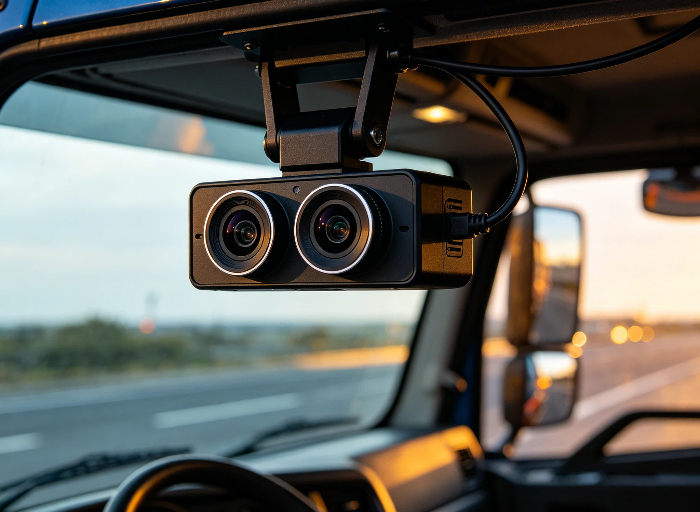
4. Hardware Integrity and Tamper Resistance
Fleet dashcams are designed to withstand the rigors of commercial use. They often feature tamper-resistant housing, locking mechanisms for storage cards, and specialized mounting hardware to ensure they cannot be easily disabled by drivers or thieves. Consumer models are typically designed for ease of installation and aesthetic portability, making them unsuitable for long-term, high-stakes commercial environments.
Note: If a business attempts to use consumer-grade dashcams, they often face “data silos”—where footage is lost, inaccessible, or impossible to organize across a fleet. Professional fleet systems convert that same footage into structured, searchable data that directly impacts the company’s bottom line.
Why Commercial Vehicles Need Fleet Dashcams
For fleet operators, vehicles are the core of the business, but they are also a major source of liability. Fleet dashcams provide the oversight necessary to protect both the driver and the company.
- Liability Protection: In the event of an accident or a “crash-for-cash” scam, video footage provides objective evidence to prove fault, helping to exonerate drivers, reduce legal costs, and prevent insurance premium hikes.
- Proactive Safety & Coaching: Advanced systems use AI to detect risky behaviors—such as distracted driving or harsh braking—in real-time. This allows managers to provide data-driven feedback, correcting habits before they lead to accidents.
- Operational Accountability: Dashcams ensure drivers adhere to safety protocols and company policies. This visibility leads to more professional driving, which reduces vehicle wear and tear and lowers fuel consumption.
- Regulatory Compliance: For many industries, video documentation simplifies audits and ensures that operations remain compliant with local transport and safety regulations.
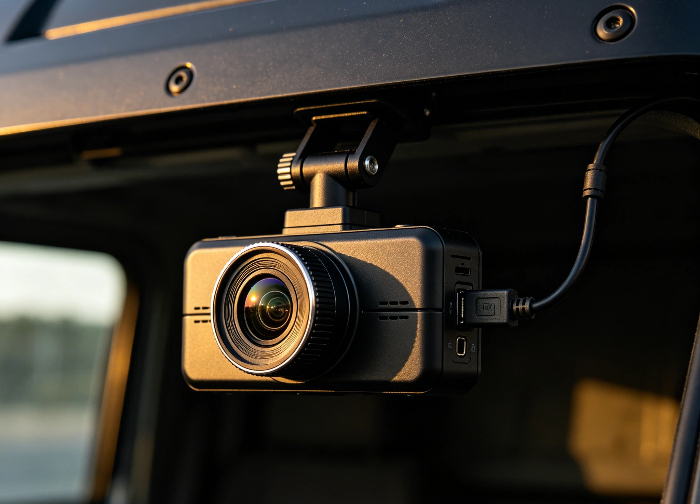
Choosing between a standard consumer dashcam and a professional fleet dashcam depends entirely on your business scale, operational risks, and long-term goals. While the upfront cost of a fleet system is higher, the return on investment through risk mitigation and improved efficiency often makes it the clear choice for commercial operations.
When to Choose a Professional Fleet Dashcam
If you manage a fleet of two or more vehicles, a professional system is highly recommended. It is the right solution if:
- You Need Real-Time Visibility: You operate across different locations and require immediate cloud access to video footage for incident response.
- Safety is a Priority: Your business involves high-risk driving, long shifts, or transport of valuable goods, making AI-powered driver coaching and fatigue detection essential.
- Liability and Insurance are Concerns: You want to protect your business from fraudulent claims and leverage video evidence to lower your insurance premiums.
- You Require Scalable Management: You need a centralized dashboard to monitor driver performance, maintenance schedules, and route compliance across your entire fleet.
When a Consumer Dashcam Might Be “Enough”
A consumer dashcam is rarely the best choice for a business, but it may serve a purpose if:
- You Are a Sole Proprietor: You are a single driver/owner-operator who only needs a basic record of events for personal insurance purposes.
- Budget is Extremely Limited: You are just starting out with one vehicle and have no immediate need for telematics, cloud connectivity, or driver monitoring data.
- Minimal Operational Needs: Your business does not require fleet-wide reporting, and you are comfortable with the manual process of handling SD cards and locally stored data.
The Bottom Line: If your fleet is a profit-generating asset rather than a single personal vehicle, the “data silo” risk of consumer units usually outweighs any initial cost savings. A professional fleet dashcam turns your vehicles into connected, safer, and more accountable components of your business.
Conclusion
The shift from simple video recording to intelligent fleet management is a critical step for any commercial operation. While consumer dashcams offer basic documentation, they lack the connectivity, AI-driven insights, and centralized control necessary to manage the complexities of a professional fleet.
Investing in a professional fleet dashcam system provides three core business values:
- Risk Mitigation: Transform potential legal and insurance liabilities into objective, high-definition evidence to protect your assets.
- Safety Excellence: Move from reactive incident management to proactive AI-powered coaching, helping drivers develop safer habits and reducing accident rates.
- Operational Intelligence: Integrate video footage with telematics data to gain real-time visibility, optimize dispatching, and lower overall operational costs.
Ultimately, for businesses where vehicles are key revenue-generating assets, professional fleet dashcams are an essential investment. By moving beyond simple recording to true operational visibility, companies can ensure a safer, more compliant, and more profitable future.
FAQ
1. What is a dashcam and how does it work?
A dashcam is a small camera installed in a vehicle that continuously records driving footage. It works by looping video recording and storing files on a memory card or cloud storage.
2. Do dashcams record when the car is parked?
Yes, many modern dashcams support parking mode, which can record motion or impact even when the vehicle is turned off.
3. Is dashcam footage legal to use as evidence?
In most regions, dashcam footage is legally accepted as evidence in traffic disputes or insurance claims, provided it was recorded in accordance with local privacy laws.
4. How much storage does a dashcam need?
It depends on your usage, but most dashcams utilize 32GB–256GB SD cards. Note that higher resolution cameras (4K/QHD) will consume storage space much faster than standard HD models.
5. Does a dashcam drain the car battery?
Generally, dashcams consume very little power while driving. For extended parking mode monitoring, a hardwire kit or an external battery pack is highly recommended to prevent potential battery drain.