
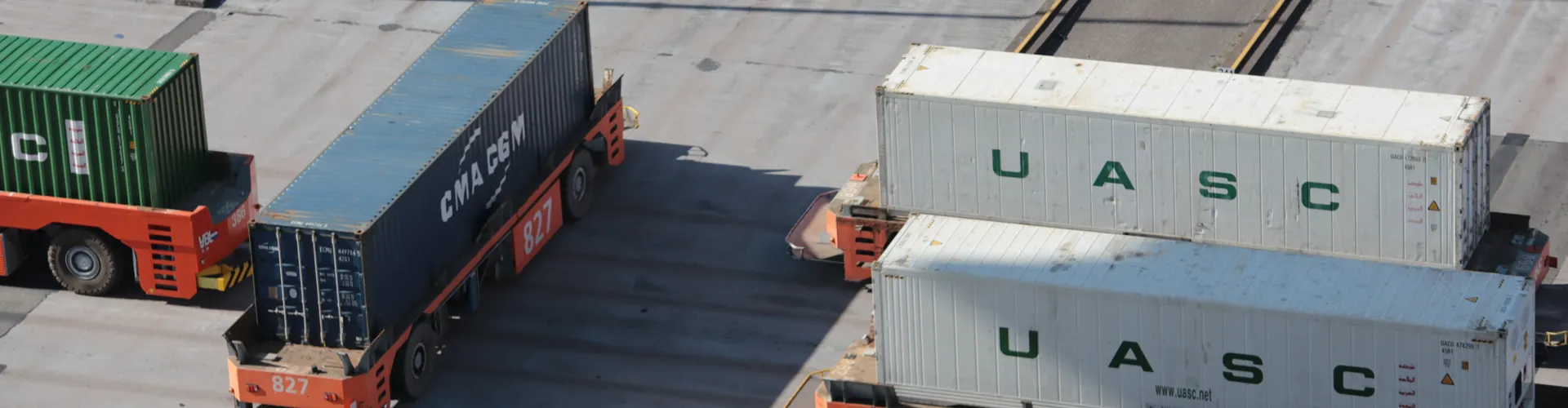
Cargo security is a top priority for logistics companies, customs authorities, fleet operators, and freight forwarders. Cargo theft, unauthorized access, route deviations, and a lack of shipment visibility can result in significant financial losses and operational disruptions.
Traditional padlocks and mechanical seals can provide basic physical protection, but they offer no real-time monitoring or tracking capabilities. As a result, many organizations are turning to GPS E-Locks, also known as GPS electronic locks, smart cargo locks, or GPS container locks, to improve transportation security and gain full visibility over high-value assets.
This GPS E-Lock buying guide will help you understand how GPS E-Locks work, identify the most important features to consider, compare technical specifications, and select the right solution for your specific application.
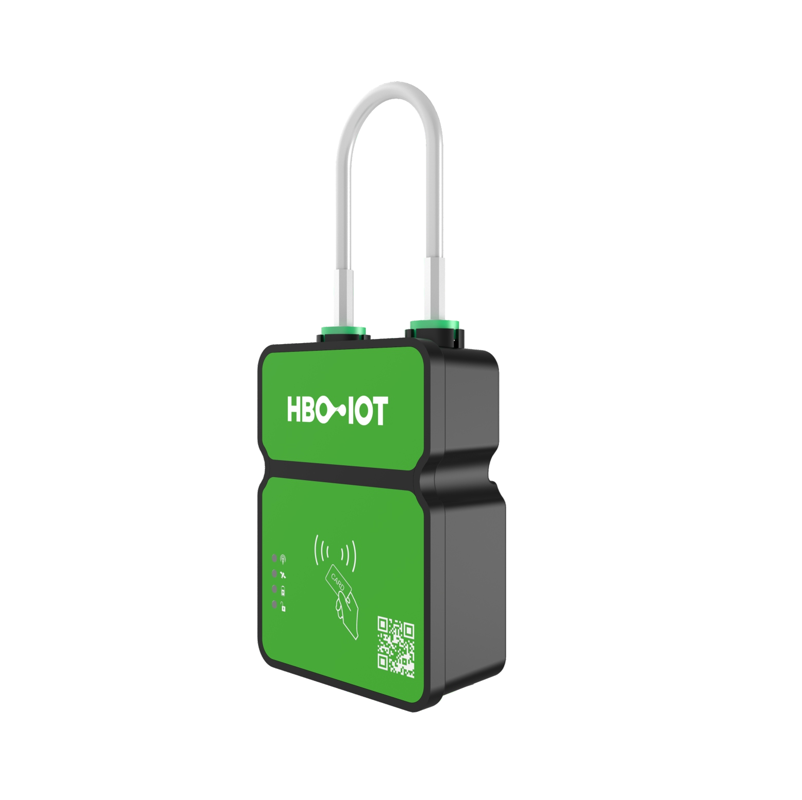
What Is a GPS E-Lock?
A GPS E-Lock is an intelligent electronic locking device that combines physical security, GPS tracking, wireless communication, and remote management capabilities into a single solution. They are widely used in container transport, customs transit operations, cross-border logistics, oil and gas transport, cold chain logistics, mining equipment transport, high-value cargo delivery, and fleet asset management.
Unlike traditional locks that simply secure cargo, a GPS E-Lock continuously reports its location and lock status to a cloud-based monitoring platform. This enables operators to track shipments in real time and respond immediately to security incidents.
How GPS E-Locks Work
The typical workflow is straightforward:
- The lock is attached to a container, trailer, tanker, or cargo compartment.
- The device begins transmitting location and status information.
- Authorized users monitor shipments through a cloud platform.
- Any abnormal event triggers an automatic alert.
- The lock can be unlocked through approved access methods when cargo reaches its destination.
This combination of physical protection and real-time monitoring makes GPS E-Locks an essential tool for modern cargo security.
Identify Your Application Before Buying
Not all GPS E-Locks are designed for the same purpose. Understanding your operational requirements is the first step in selecting the right solution.
1. Container Transportation
Containers may travel through ports, highways, inland terminals, and international borders before reaching their destination. In these situations, buyers should prioritize GPS E-Locks with reliable real-time tracking, route monitoring capabilities, geo-fencing functions, and long battery life.
2. Customs Transit and Cross-Border Projects
Customs authorities and transit operators typically require a higher level of cargo control and traceability. Since shipments often move across multiple checkpoints and jurisdictions, GPS E Locks must support complete electronic audit trails, remote monitoring, and real-time event reporting. Devices used in customs projects should also integrate smoothly with customs supervision platforms and transportation management systems, enabling authorities to monitor cargo integrity throughout the transit process.

3. Fuel Tanker and Hazardous Goods Transportation
Transporting fuel, chemicals, and other hazardous materials presents unique security challenges. Any unauthorized opening of valves or cargo compartments can result in safety risks, environmental incidents, or product loss. For these applications, buyers should look for GPS E-Locks that provide continuous monitoring, intelligent access control, and support for multi-lock management.
4. High-Value Cargo Transportation
Companies transporting electronics, pharmaceuticals, luxury goods, or other high-value assets often face elevated theft risks. GPS E-Locks should be capable of generating immediate tamper alerts, providing accurate location information, and maintaining a complete history of lock activities. The ability to verify exactly when, where, and by whom a lock was opened can significantly improve cargo security and accountability.
5. Fleet Asset Management
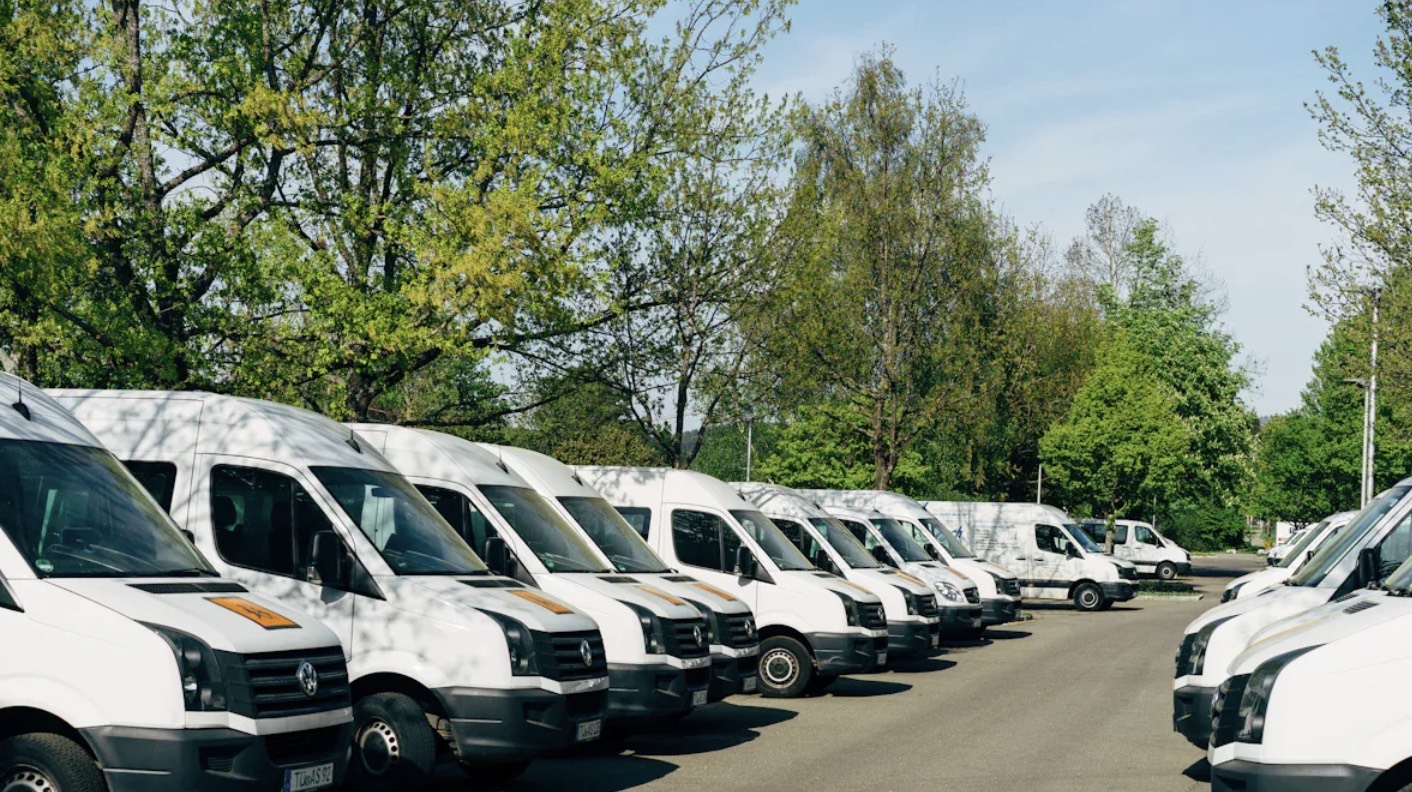
For large transportation companies managing dozens or hundreds of vehicles, scalability becomes a key consideration. Rather than focusing solely on the lock itself, buyers should evaluate the broader management platform. Features such as centralized monitoring, fleet-wide reporting, API integration, and user management can help organizations efficiently manage large deployments while improving operational visibility across the entire fleet.
Key Features to Look for in a GPS E-Lock
When comparing GPS E-Lock solutions, buyers should focus on both security and operational functionality.
1. Real-Time GPS Tracking
GPS tracking is the foundation of any smart lock solution.
Real-time monitoring capabilities enable operations personnel to track cargo locations, verify route compliance, enhance transport transparency, and rapidly respond to suspicious activity.
Without reliable GPS tracking, a smart lock loses much of its value.
2. Tamper Detection
An effective gps elock should detect and report unauthorized activities immediately.
Look for devices capable of identifying:
- Lock cutting attempts
- Forced opening
- Lock body damage
- Unauthorized unlocking
Real-time alerts allow security teams to intervene before losses occur.
3. Geo-Fencing
Geo-fencing enables users to create virtual boundaries around approved routes or locations.
If the vehicle deviates from the designated route, makes an unexpected stop, or enters a restricted area…, the system can automatically generate notifications.
Geo-fencing is especially valuable for customs transit, cross-border logistics, and high-value cargo transportation.
4. Remote Unlocking Capability
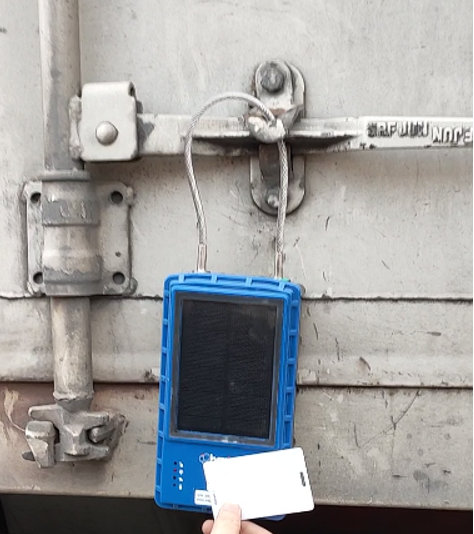
Modern GPS E-Locks often support multiple unlocking methods, including:
- RFID cards
- Bluetooth authentication
- Mobile applications
- Remote platform commands
Flexible access control improves both security and operational efficiency.
5. Cloud Monitoring Platform
The management platform is often just as important as the hardware itself.
A robust platform should provide:
- Real-time tracking dashboards
- Historical route reports
- Event logs
- User management
- Alarm management
- Device monitoring
The ability to access information remotely can significantly improve logistics operations.
6. Long Battery Life
Many transportation routes span several days or even weeks.
Long-lasting battery life is crucial for scenarios such as international logistics, customs supervision, mining projects, and remote transport routes.
Frequent charging requirements can create unnecessary operational burdens.
GPS E-Lock Technical Specifications Checklist
When evaluating products, buyers should compare key technical specifications.
| Feature | Recommended Requirement |
| Positioning Technology | GPS + BDS + LBS |
| Communication Network | 4G LTE |
| Protection Rating | IP67 or higher |
| Battery Life | Several weeks or longer |
| Tamper Alarm | Required |
| Geo-Fencing | Required |
| Cloud Platform | Required |
| Remote Unlocking | Recommended |
| OTA Updates | Recommended |
While specifications alone do not determine product quality, they provide a useful benchmark when comparing suppliers.
Questions to Ask Your GPS E-Lock Supplier
Before making a purchasing decision, buyers should gather as much information as possible.
Product Questions
- How long does the battery last?
- What positioning technologies are supported?
- What alarm functions are included?
- Does the device support OTA upgrades?
Platform Questions
- Is the cloud platform included?
- Can reports be customized?
- Are API integrations available?
- Does the platform support multi-user access?
Service Questions
- Technical support availability
- Warranty coverage
- Product training
- Device replacement policies
Reliable support can reduce downtime and improve deployment success.
How Much Does a GPS E-Lock Cost?
GPS E-Lock pricing varies considerably depending on features and project requirements.
Key Factors Affecting Pricing
| Factor | Impact on Cost |
| GPS Accuracy | Higher accuracy generally increases cost |
| Communication Technology | Advanced network support may cost more |
| Battery Capacity | Larger batteries increase hardware costs |
| Platform Features | Advanced software adds value |
| Customization Requirements | OEM/ODM projects may require additional investment |
| Certifications | Industry certifications can increase pricing |
Focus on Total Cost of Ownership
Buyers should not focus solely on hardware costs; they should also consider factors such as equipment purchase prices, platform subscription fees, SIM card costs, maintenance expenses, and deployment costs.
A higher-quality solution often delivers better long-term value through improved reliability and lower operational risk.
Conclusion
GPS E-Locks have become an essential tool for organizations seeking stronger cargo protection, better shipment visibility, and improved operational control. By combining physical security, GPS tracking, geo-fencing, tamper detection, and cloud-based management, these smart locks help businesses reduce risk while improving logistics efficiency.
When selecting a GPS E-Lock, buyers should carefully evaluate their application requirements, compare technical specifications, assess platform capabilities, and choose a GPS E-Lock supplier with proven experience and reliable support. Focusing on long-term performance rather than simply upfront cost will help ensure a successful deployment.
Why Choose HBOIOT GPS E-Lock Solutions?
Choosing the right GPS E-Lock supplier is just as important as selecting the right product.
HBOIOT specializes in intelligent GPS E-Lock solutions designed for cargo security, customs supervision, fleet management, cross-border logistics, fuel transportation, and high-value asset protection.
HBOIOT GPS E-Locks provide:
- Real-time GPS tracking
- Geo-fencing capabilities
- Tamper detection alerts
- Remote unlocking options
- Cloud-based monitoring platforms
- Long battery life
- Global deployment support
In addition to standard products, HBOIOT offers OEM and ODM services, including hardware customization, firmware development, private labeling, and platform customization.
With project experience across Africa, the Middle East, Southeast Asia, South America, and Central Asia, HBOIOT helps logistics companies, customs authorities, fleet operators, and system integrators improve cargo visibility and transportation security.