
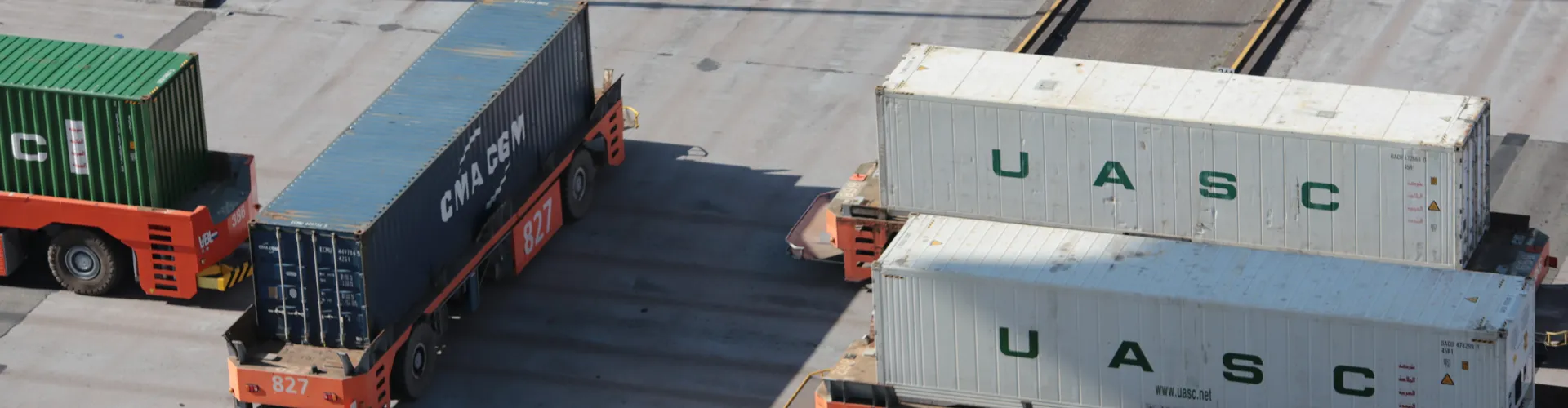
International shipping containers transport valuable goods across long distances, often passing through multiple ports, warehouses, and transportation networks before reaching their destinations. During this process, cargo owners and logistics providers face challenges such as unauthorized container opening, cargo theft, route deviations, and limited visibility into shipment security.
Traditional container seals help indicate whether a container may have been tampered with, but they generally cannot provide real-time location information or remote alerts. A standalone GPS tracker can show a container’s location but typically does not physically secure its doors.
A GPS E-Lock combines electronic locking with GPS positioning and, depending on the model, wireless communication and remote monitoring. Understanding how this technology works helps logistics operators choose a suitable GPS container lock and build a more effective container security system.

What Is a GPS E-Lock?
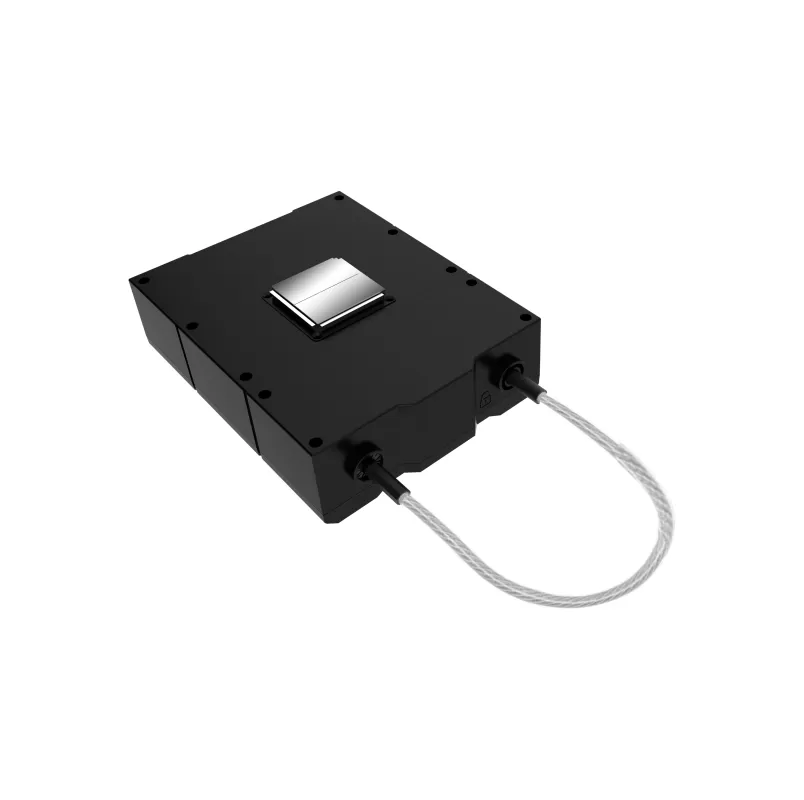
A GPS E-Lock is an electronic cargo security device designed to secure a designated locking point while supporting location tracking and security monitoring. Unlike a conventional mechanical seal, a GPS-enabled electronic lock can combine physical access control with digital records and location information.
Depending on the model, a GPS electronic seal may support electronic authorization, lock-status monitoring, tamper detection, location reporting, and alerts through a management platform.
GPS E-Locks are used in applications such as shipping container transportation, truck trailers, cross-border logistics, and high-value cargo shipments. They help logistics teams monitor shipments between departure and arrival rather than relying entirely on manual inspections at checkpoints.
However, not all electronic seals include GPS tracking, and not every GPS E-Lock supports the same features. Buyers should check the device specifications to confirm its actual capabilities.
How Does a GPS E-Lock Work? Step by Step
A GPS E-Lock generally works through a combination of physical locking, positioning technology, communication networks, and monitoring software.
Step 1: Secure the Container Before Departure
Before a shipment begins its journey, the operator installs the GPS container lock at the designated locking point, following the device’s installation instructions. Once secured, the lock helps restrict unauthorized access to the protected container door or locking mechanism.
Depending on the model, the operator may activate the device and associate it with a shipment, vehicle, or container record in the management system. This creates a reference for monitoring the shipment throughout its journey.
Step 2: Determine the Container’s Location
The GPS module receives signals from navigation satellites to calculate the device’s geographic position. The resulting location data can be used to identify where the container is located at a particular time.
GPS positioning and data transmission are separate functions. GPS determines location, while a communication module transmits the information to a remote platform through a supported network, such as cellular communication.
Step 3: Monitor Container Movements During Transit
When location data is transmitted successfully, logistics managers can view the container’s reported position through a compatible tracking platform. Depending on the system, they may also review historical locations, monitor planned routes, and configure geofences around ports, warehouses, or delivery facilities.
For example, if a container is expected to travel directly from a port to a distribution center, an unexpected stop or route deviation may prompt the logistics team to investigate.
Step 4: Detect Unauthorized Opening or Tampering
Physical access control is another important part of GPS E-Lock technology. Depending on the device’s design, electronic sensors may detect supported locking, unlocking, or tampering events.
When an abnormal event is detected, the device may record it and transmit a notification to the management platform if the necessary communication and alert functions are available.
Step 5: Send Alerts and Review Security Events
A compatible monitoring platform can bring location information and supported security events together in one interface. Depending on the system configuration, authorized personnel may receive alerts about unusual movement, geofence violations, or lock-related events.
When an alert occurs, the logistics team can check the container’s location, review the event record, contact the driver or carrier, and follow established incident procedures.

Step 6: Unlock the Container at Its Destination
When the container reaches its authorized destination, the responsible personnel follow the device’s approved unlocking procedure. Depending on the model, this may involve electronic credentials, local communication, or an authorized remote command.
After unloading, operators can inspect the device, review available records, and prepare the container for its next shipment.
Remote unlocking should never be assumed to be available on every GPS E-Lock. It depends on the device’s hardware, communication capabilities, software, and access-control configuration.
What Are the Main Components of a GPS E-Lock?
A GPS E-Lock may contain several integrated components that work together to support container security.
| Component | Main function |
| Electronic locking mechanism | Secures the designated container locking point |
| GPS positioning module | Determines the device’s geographic location |
| Communication module | Transmits location and event data through supported networks |
| Battery and power system | Supplies power for locking, positioning, and reporting functions |
| Sensors | Detect supported opening, lock-status, or tampering events |
| Management platform | Displays tracking information, alerts, and available event records |
The exact configuration varies by product. When evaluating a GPS cargo lock, buyers should confirm which components and functions are included rather than assuming that every model provides the same level of monitoring.
How GPS E-Locks Improve Container Security
GPS E-Locks can support container security in several practical ways.
- Improved shipment visibility: Location reports help logistics teams understand where containers were last reported and how they move through the transportation network.
- Better access monitoring: Electronic container locking and supported tamper-detection functions can help identify suspicious access events and establish digital records.
- More efficient incident investigation: Combining location history with lock-event records can help operators determine when and where further investigation is needed.
- Stronger operational accountability: Digital records can support communication between cargo owners, carriers, warehouse personnel, and other parties involved in a shipment.
- More centralized monitoring: When integrated with a suitable management platform, tracking data and security alerts can be reviewed in a single workflow.
These capabilities can strengthen cargo theft prevention, but a GPS E-Lock cannot eliminate every security risk. Effective container protection also requires suitable physical security, authorized access procedures, staff training, and timely responses to alerts.
Conclusion
A GPS E-Lock combines physical locking with location tracking and, depending on the model, electronic access control and security-event reporting. By monitoring container movements and recording supported access events, it helps logistics teams improve shipment visibility, investigate suspicious activity, and manage cargo security more systematically.
For businesses seeking to strengthen container security, the most suitable solution should match the container design, transportation routes, communication requirements, and operational procedures. HBOIOT offers electronic locking and tracking solutions for cargo security applications, helping logistics operators explore options for more visible and controlled container transportation.
Frequently Asked Questions
How does a GPS E-Lock track a shipping container?
The device uses GPS or another supported positioning technology to determine its location. A communication module then transmits location information to a compatible monitoring platform when network connectivity is available.
Can a GPS E-Lock detect when a container is opened?
Some models can detect and report opening or tampering events through built-in sensors. The available detection functions depend on the device’s design and configuration.
Does a GPS E-Lock work without cellular coverage?
GPS positioning and cellular communication are different functions. A device may determine its location without cellular service, but it may not be able to transmit that information in real time unless another supported communication method is available.
Can a GPS E-Lock be unlocked remotely?
Some models support remote unlocking, while others require local authorization or another approved procedure. Buyers should verify this function before selecting a device.
Is a GPS E-Lock better than a traditional container seal?
They serve different purposes. A traditional seal provides basic physical sealing, while a GPS E-Lock can add location tracking and electronic monitoring when those functions are supported. The appropriate choice depends on the shipment’s security risks and monitoring requirements.