

GPS electronic padlock is a device that combines Global Positioning System (GPS) and electronic lock technology. It not only protects the cargo through the security mechanism of the electronic lock, but also utilizes GPS technology to track the location and status of the cargo in real time. Through remote monitoring, logistics managers and customs officers can keep abreast of cargo dynamics.
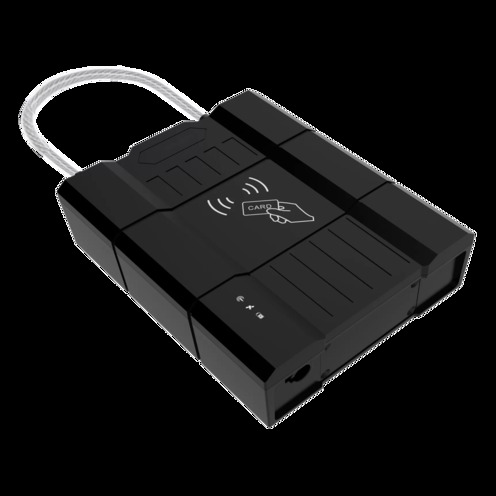
The working principle of GPS electronic padlock
GPS electronic padlock contains the following key components:
GPS module: receives satellite signals to determine the real-time location of the padlock and its accompanying cargo.
Communication module: Transmits location and status data to a centralized monitoring system via mobile network.
Electronic lock: Ensures cargo security by opening or closing by password, fingerprint or remote control.
When the goods are in the process of transportation, GPS electronic padlock will regularly send the location and status information to the cloud server for the relevant personnel to view and manage in real time.
Application of GPS electronic padlock in customs logistics
Improve logistics security
Prevent cargo theft and tampering: traditional locks are easily damaged, while GPS electronic padlock has a higher level of protection and alarm function. Once the locks are illegally opened or damaged, the system will immediately send an alarm to notify the relevant personnel.
Real-time monitoring: Through real-time location tracking, logistics managers can keep abreast of cargo dynamics. If the cargo deviates from the predetermined route, the system will automatically send out warnings to facilitate timely action.
Improve logistics efficiency
Fast customs clearance: Customs can view cargo information and transportation path in real time through the system, reducing manual inspection and audit time and speeding up customs clearance.
Automated management: The data of GPS electronic padlock is seamlessly connected with the logistics management system, realizing the automated management and tracking of cargo transportation and improving the overall logistics efficiency.
Enhanced Traceability
Full Record: From shipment to receipt, GPS electronic padlock records every important node in the whole transportation process. Whether it is a stopover in the middle of transportation, route deviation or unlocking operation, it can be recorded in detail and stored in the system.
Data analysis: through the analysis of historical data, logistics companies and customs departments can optimize transport routes and processes, improve service quality and customer satisfaction.
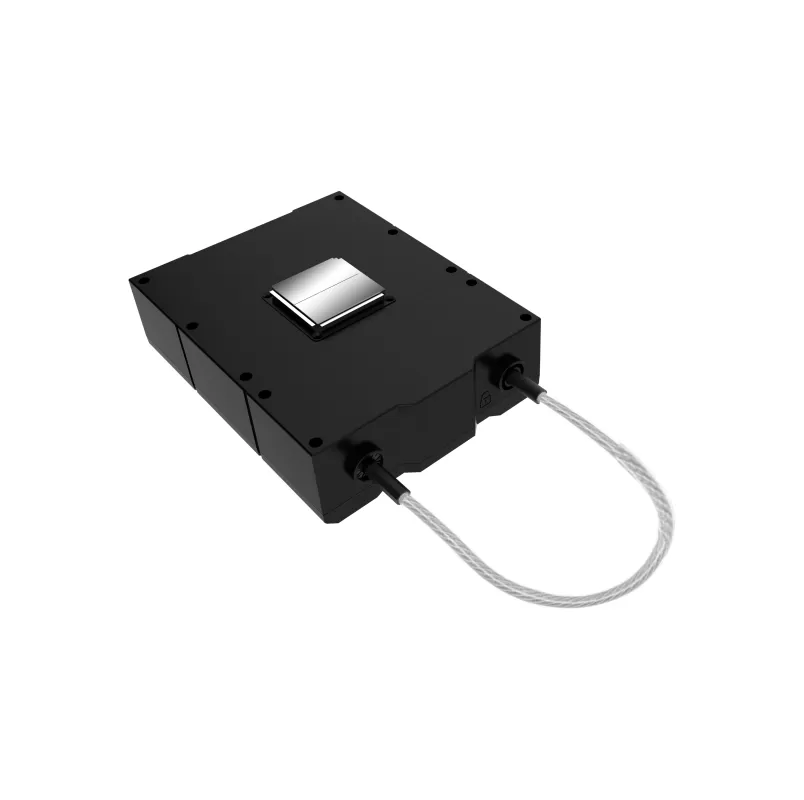
Future development of GPS electronic padlock
As the Internet of Things (IoT) and Artificial Intelligence (AI) technologies continue to advance, GPS electronic padlocks will be further intelligent. In the future, these padlocks may integrate more sensors, such as temperature, humidity, and vibration sensors, in order to comprehensively monitor the environment in which goods are transported. In addition, the application of blockchain technology is also expected to enhance the security and transparency of logistics data.
GPS electronic padlocks are profoundly impacting customs logistics management by providing greater security, improving logistics efficiency and enhancing traceability. They not only ensure the security of goods during transportation, but also provide efficient management tools for customs and logistics companies. With the further development of technology, the application of GPS electronic padlocks in customs logistics will be more extensive and in-depth, escorting the safe and efficient operation of global trade.
FAQ
How does video telematics improve bus driver coaching?
It captures real-time video of safety events (like harsh braking), allowing managers to use objective evidence to coach drivers on specific habits rather than relying on hearsay.
What specific behaviors can be coached using this tech?
Managers can address distracted driving, cell phone use, failing to stop at rail crossings, and improper use of the “stop arm” or loading lights.
Does it help exonerate drivers in accidents? Yes.
Video provides immediate proof if a collision was caused by another motorist, protecting the driver’s reputation and the school district from false liability claims.
How do you handle driver privacy concerns?
Focus on “event-based” recording, where footage is only reviewed when a safety trigger occurs. This positions the camera as a tool for professional growth and protection, not constant surveillance.