
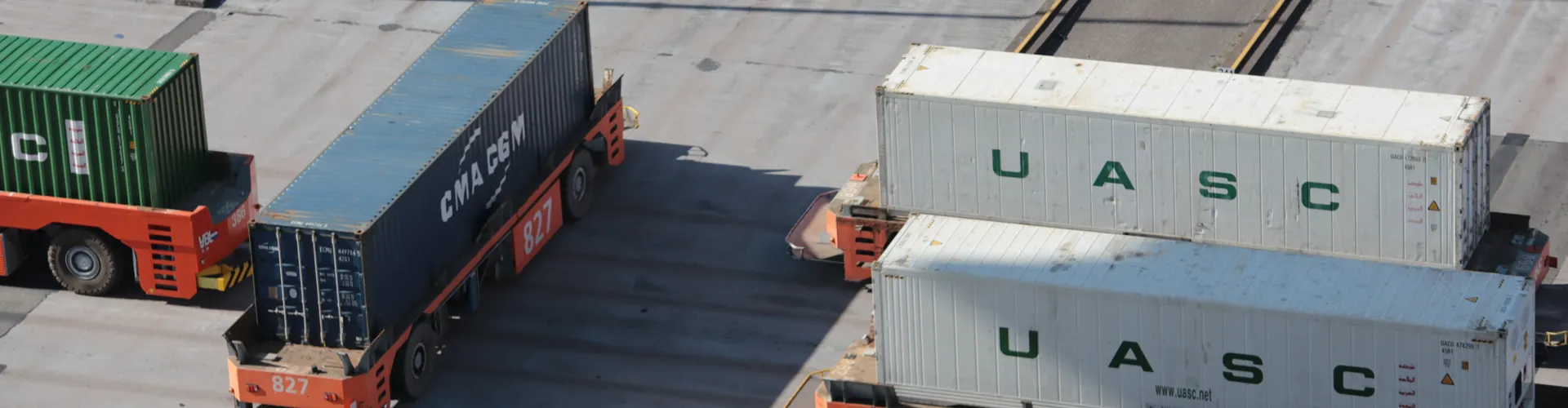
Road safety remains one of the biggest challenges for commercial fleet operators. Every day, transportation companies face risks associated with distracted driving, fatigue, speeding, harsh braking, and other unsafe driving behaviors. These incidents can lead to vehicle damage, cargo loss, insurance claims, legal disputes, and even serious injuries.
Traditional dashcams can record what happens during an incident, but they cannot actively prevent accidents. This is where AI dashcams are changing fleet safety. By combining artificial intelligence, driver monitoring, and video telematics, modern AI-powered dashcams can detect risky driving behaviors in real time and help drivers correct them before accidents occur.
As fleet operators continue to prioritize safety and efficiency, AI dashcams have become an essential part of modern fleet management strategies.
1. What are Risky Driving Behaviors?
Many traffic accidents are caused not by vehicle failures, but by human behavior. Common risky driving behaviors include:
- Driver fatigue and drowsiness
- Distracted driving
- Mobile phone use while driving
- Smoking while driving
- Failure to wear seat belts
- Aggressive acceleration
- Harsh braking
- Tailgating
- Lane drifting
- Speeding
For fleet managers operating dozens or even hundreds of vehicles, manually monitoring these behaviors is nearly impossible. Traditional supervision methods often identify problems only after an accident has already occurred.
To improve safety outcomes, fleets need technology capable of detecting dangerous actions the moment they happen.
2. How AI Dashcams Detect Unsafe Driving in Real Time
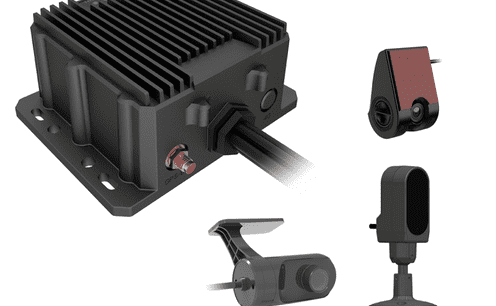
AI dashcams use advanced technologies such as computer vision, machine learning, Driver Monitoring Systems (DMS), and Advanced Driver Assistance Systems (ADAS) to continuously analyze both the driver and the road environment.
Unlike conventional dashcams that simply record footage, AI-powered systems actively identify risk factors and issue warnings before incidents escalate.
Driver Monitoring System (DMS)
A Driver Monitoring System uses an inward-facing camera to observe driver behavior and detect signs of unsafe operation.
Modern DMS technology can identify:
- Driver fatigue
- Prolonged eye closure
- Frequent yawning
- Driver distraction
- Mobile phone usage
- Smoking while driving
- Seat belt violations
When unsafe behavior is detected, the system immediately alerts the driver through audio or visual warnings, encouraging corrective action before an accident occurs.
Advanced Driver Assistance System (ADAS)
ADAS technology focuses on monitoring road conditions and surrounding traffic.
Typical ADAS functions include:
- Forward collision warning
- Lane departure warning
- Pedestrian detection
- Traffic sign recognition
- Following distance monitoring
These intelligent safety features help drivers recognize hazards earlier and respond more effectively.
Real-Time Alerts
One of the greatest advantages of AI dashcams is their ability to provide immediate feedback.
Instead of discovering unsafe behavior days or weeks later during a fleet review, drivers receive instant warnings when dangerous actions occur. Real-time intervention significantly reduces the likelihood of accidents caused by human error.
3. Reducing Driver Fatigue and Drowsy Driving
Driver fatigue is one of the leading causes of serious commercial vehicle accidents, especially in long-haul transportation operations.
Truck drivers, bus drivers, and logistics fleet personnel often drive for extended periods, which can lead to risks such as delayed reaction times, reduced attention, impaired decision-making abilities, and the onset of “microsleep.”
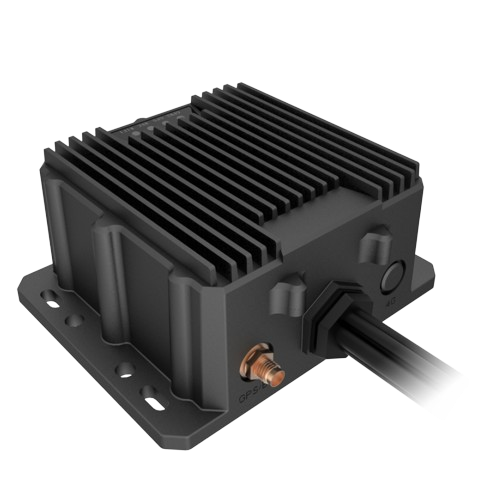
AI dashcams continuously monitor driver facial expressions and behaviors to identify fatigue indicators such as:
- Frequent blinking
- Extended eye closure
- Head nodding
- Repeated yawning
When these signs are detected, the system immediately alerts the driver, helping prevent fatigue-related accidents before they happen. Many modern DMS solutions specifically include drowsiness detection as a core safety feature.
For fleet operators, this translates into fewer accidents, lower liability exposure, and improved driver well-being.
4. Preventing Distracted Driving
Distracted driving has become a growing concern in commercial transportation.
Common distractions include:
- Texting while driving
- Talking on mobile phones
- Smoking
- Looking away from the road
- Adjusting navigation systems
Even a few seconds of distraction can significantly increase accident risk.
AI dashcams use image recognition algorithms to continuously analyze driver attention levels. When the system detects that a driver is using a phone, looking away from the road for an extended period, or engaging in other distracting activities, it immediately generates an alert.
This proactive approach helps drivers develop safer habits and reinforces company safety policies.
5. Improving Speed Management and Driving Discipline
Speeding remains one of the most dangerous driving behaviors for commercial fleets.
Excessive speed can lead to longer braking distances, increased fuel consumption, accelerated vehicle wear, and higher maintenance costs.
AI dashcams equipped with GPS tracking and traffic sign recognition can monitor vehicle speed and compare it against road speed limits.
When speeding is detected, drivers receive immediate notifications, allowing them to adjust their behavior. Some video telematics platforms also generate detailed reports showing speeding events, enabling managers to identify recurring issues and implement corrective training.
Over time, these insights help establish a stronger culture of driving discipline across the fleet.
6. Using AI Dashcam Data for Driver Coaching
Fleet safety is not only about identifying problems; it is also about improving performance.
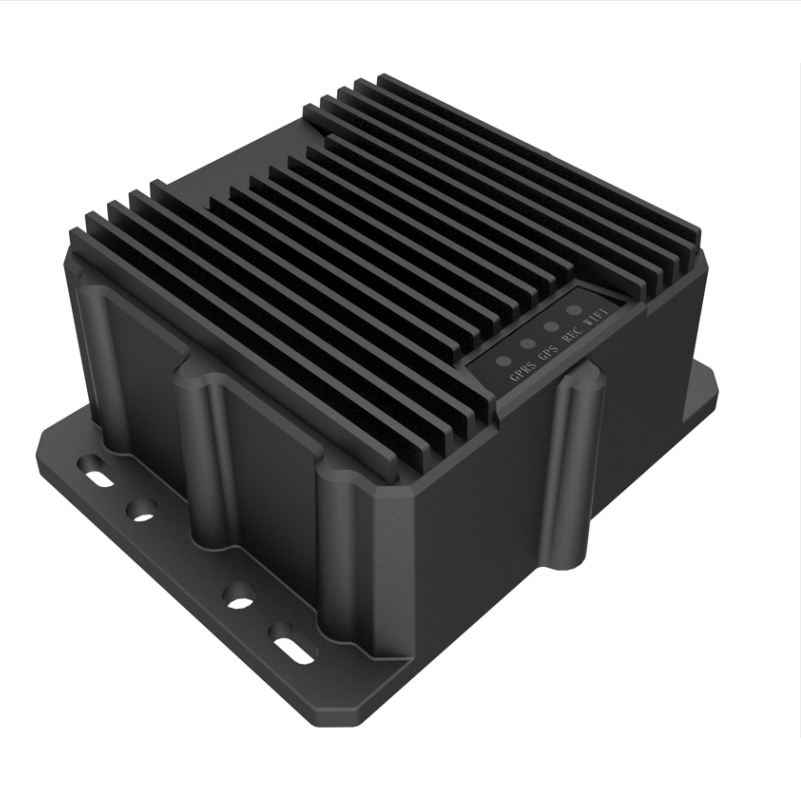
AI dashcams generate valuable data that can be used for driver coaching programs.
Fleet managers can review:
- Harsh braking events
- Rapid acceleration incidents
- Sharp cornering behavior
- Speeding violations
- Fatigue alerts
- Distracted driving incidents
By analyzing patterns over time, companies can identify high-risk drivers and provide targeted coaching based on actual driving behavior rather than assumptions.
This data-driven approach creates measurable improvements in driver performance and promotes long-term behavioral change. Event-based video evidence also provides objective information for training discussions.
7. AI Dashcams and Video Telematics: A Powerful Combination
The greatest value of AI dashcams comes when they are integrated into a comprehensive video telematics system.
Video telematics combines:
- AI video recording
- GPS tracking
- Driver behavior monitoring
- Vehicle data collection
- Real-time fleet visibility
This enables fleet managers to monitor vehicle locations, the timing of safety incidents, driver operational status, and vehicle operating conditions.
Rather than relying on isolated video clips, managers gain a complete picture of fleet operations and safety performance. Modern video telematics solutions are increasingly becoming the industry standard for logistics fleets, public transportation operators, construction companies, and commercial vehicle fleets.
Conclusion
Risky driving behaviors such as fatigue, distracted driving, speeding, and aggressive driving remain major challenges for fleet operators worldwide. Traditional monitoring methods often identify problems only after an incident has occurred, making it difficult to proactively improve driver safety.
AI dashcams are transforming fleet safety by providing real-time driver monitoring, intelligent alerts, ADAS functions, and video telematics capabilities. By detecting unsafe behaviors as they happen, these systems help drivers make safer decisions, reduce accident rates, lower insurance costs, and improve overall fleet performance.
As transportation companies continue to embrace digital fleet management, AI-powered dashcams are becoming an essential tool for building safer and more efficient operations. Whether managing logistics fleets, public transportation, school buses, construction vehicles, or oil and gas transportation, investing in the right AI dashcam solution can deliver significant long-term safety and operational benefits.
With advanced AI technology, video telematics integration, and commercial-grade fleet monitoring capabilities, HBOIOT helps fleet operators gain greater visibility, improve driver behavior, and create a safer driving environment for everyone on the road.