
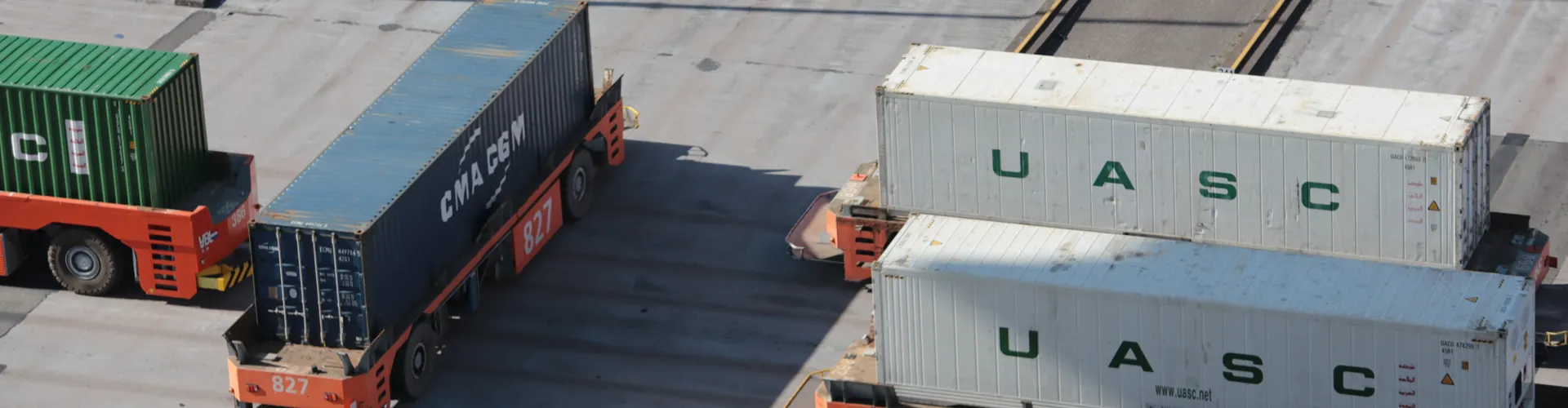
Africa and the Middle East’s commercial fleets are growing fast, but so are safety risks and regulatory pressures. Many operators are now turning to GPS speed limiters to better control vehicles and reduce accidents.
But choosing the right system isn’t just about limiting speed — it’s about reliability, tracking accuracy, and whether the solution can actually work in harsh road conditions.
In this article, we’ll break down what really matters when selecting a GPS speed limiter for commercial fleets, and what fleet operators should avoid when making a decision.
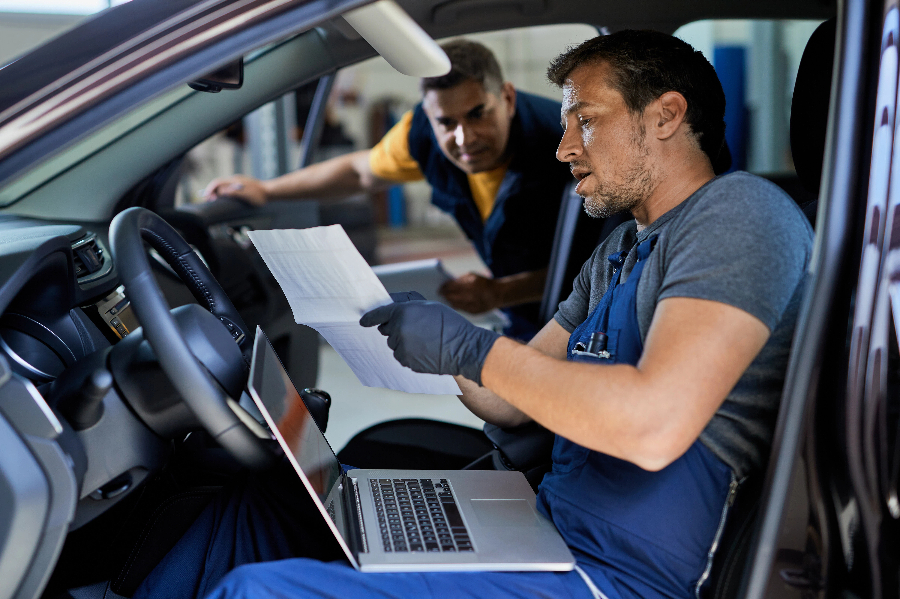
Why GPS Speed Limiters Are Important for Commercial Fleets
For commercial fleets, speed control is not just about safety—it directly affects cost, efficiency, and compliance. Especially in Africa and the Middle East, where fleets often operate on long routes and mixed road conditions, unmanaged speeding can quickly turn into a serious operational risk.
That’s why more fleet operators are starting to adopt GPS speed limiter systems as part of their daily fleet management strategy.
Balancing speed and safety in daily operations
For commercial fleets, speed is always a trade-off between delivery time and safety. In regions like Africa and the Middle East, where long-distance driving and tough road conditions are common, this balance becomes even harder to manage.
Reducing risky driving behavior automatically
GPS speed limiters help control vehicle speed in real time, reducing risky driving behavior without relying only on drivers.
Improving efficiency and compliance
The result is fewer accidents, lower fuel consumption, and more stable fleet performance. It also helps companies meet road safety regulations in different countries.
Key Features to Look for in a GPS Speed Limiter
A GPS speed limiter only earns its keep if the core technology is solid and the system fits how your fleet actually works. Here’s where to focus.
Pinpoint GPS That Doesn’t Drift
Multi-constellation support (GPS plus GLONASS, Galileo, or BeiDou) isn’t a luxury. It’s what keeps the limiter accurate under bridges, in dense city streets, or when a truck fires up inside a covered depot. If the position wobbles by even 15 metres, you could be enforcing the wrong speed limit on a parallel road.
Speed Map That Keeps Up With Reality
Road layouts and speed limits change constantly. A limiter with a static map baked in at installation will start making mistakes within months. Then you’re stuck with angry drivers getting throttled on roads that were re-zoned six months ago.
What to look for: Over-the-air map updates that happen regularly and cover temporary zones like roadworks or variable school limits. Ask the vendor how fresh their data is. If they can’t answer, walk away.
Speed Control That Nudges, Not Punches
The safest limiter is the one drivers don’t want to rip out. Cheap systems slam on the metaphorical brakes the instant the limit is breached. That’s both dangerous and infuriating.
A good system works in stages:
A small configurable grace margin (say, 5 km/h over for a few seconds) keeps trust intact without making the limit toothless.
Geofencing That Fits Your Operation
Beyond public roads, you should be able to draw custom zones and assign them crawl speeds:
- A customer’s hazardous site → 10 km/h
- The depot yard → 5 km/h
- A weighbridge area → 15 km/h
What separates good from great:The ability to layer overlapping zones intelligently. A broad 30 km/h quarry limit should still allow a tighter 10 km/h pocket around a pedestrian crossing.

If the GPS signal drops while the ignition is on, the system should flag it immediately. Same goes for voltage interruptions or antenna disconnection.
The real value: Instant remote alerts pushed to a fleet manager’s phone. That turns tampering from a suspicion into something you can address before it becomes a habit.
Driver-Tagged Data
Speed data without driver context is just noise. Every trip and overspeed event needs to be tied to an individual driver ID—whether via key fob, app login, or RFID tag.
Why it matters:You stop looking at “Vehicle 47 speeds sometimes” and start seeing “Dave needs coaching on this one stretch of road.” That’s actionable.
How GPS Speed Limiters Improve Fleet Safety
GPS speed limiters help prevent overspeeding by keeping vehicles within safe limits, reducing the risk of accidents caused by fast driving.
They also improve driver discipline by enforcing consistent speed control across the whole fleet, not just relying on individual behavior.
At the same time, fleet managers can monitor speed in real time and quickly respond to unsafe driving patterns before they lead to incidents.
If you want to understand how GPS speed limiters actually enhance fleet safety in real operations, the following sections will break down the key mechanisms in more detail.
GPS Speed Limiter Regulations in Africa and the Middle East
GPS speed limiter regulations are becoming increasingly important as governments focus on road safety and fleet control in Africa and the Middle East. While requirements vary by country, many regions are introducing mandatory speed control systems for commercial vehicles, especially in logistics, public transport, and heavy trucking.
Growing Focus on Road Safety Compliance
Many countries in Africa and the Middle East are tightening traffic safety rules due to rising accident rates involving commercial fleets. Speed control devices are often part of broader transport safety policies.
In some markets, fleet operators are required to install speed limiting systems before vehicles can be licensed for commercial use.
Country-Specific Regulatory Differences
Regulations are not unified across the region, which makes compliance more complex for cross-border fleets. Some countries enforce strict speed limiter installation laws, while others only recommend them for high-risk vehicles.
This variation means companies operating in multiple regions must adapt systems to different legal standards.
Integration with Fleet Monitoring Systems
In more advanced regulatory environments, GPS speed limiters are often linked with national or centralized monitoring platforms. This allows authorities or fleet operators to track compliance in real time.
It also helps reduce violations by ensuring speed data is recorded and traceable.
Impact on Logistics and Transport Operators
For logistics companies, compliance is not just about avoiding fines. It also affects insurance costs, vehicle approval, and contract eligibility.
As a result, many fleets adopt GPS speed limiters even when not strictly required by law, as part of risk management and operational standards.
Choosing the right GPS speed limiter supplier is all about balancing compliance, reliability, and real-time support. Here is a quick, no-nonsense checklist to help you filter out the standard hardware vendors from the true security partners.
How to Choose the Right GPS Speed Limiter Supplier
Compliance & Certifications First
Before looking at price, look at the paperwork. Speed limiters are highly regulated safety devices.
-
Local Mandates: Ensure the supplier has official certifications for your specific market (e.g., KS 2295 for Kenya, or specific MOT approvals in your region).
-
Quality Standards: Ask for ISO 9001, CE, or RoHS certificates to ensure the hardware won’t fry your vehicle’s electronics.
Universal Vehicle Compatibility
Your fleet likely has a mix of older mechanical trucks and modern electronic injection buses.
-
Mechanical & Electronic: The supplier must offer both solenoid/actuator solutions (for mechanical cables) and electronic ECU controllers (for fly-by-wire throttles).
-
Red Flag: If they offer a “one-size-fits-all” box without asking for your specific vehicle schematics, walk away.
Anti-Tamper Capabilities
Drivers often try to bypass these devices to go faster. A reliable supplier designs their hardware like a vault:
-
Physical Protection: Look for robust metal/industrial plastic casings with tamper-evident seals.
-
Smart Alerts: The system must instantly trigger a backend alarm if a driver disconnects the power, cuts the speed wire, or covers the GPS antenna with foil.
Software & “Geofencing” Flexibility
The hardware is only as good as the platform backing it up.
-
Smart Speed Zones: The platform should support Geofencing—automatically dropping the limit to 50 km/h in urban zones and raising it to 80 km/h on open highways.
-
OTA Updates: Can they update the firmware over-the-air? If local speed laws change, you don’t want to physically recall 100 trucks just to change a software setting.
Local Support & Warranty
A dead limiter means a grounded vehicle and lost revenue.
-
Installation Support: They should provide clear wiring diagrams, video tutorials, or certified local technicians.
-
Warranty: Demand at least a 12-to-24 month warranty with a quick-turnaround replacement policy for hardware failures.