
Fleet safety has become a top priority for businesses managing commercial vehicles. Whether operating delivery vans, long-haul trucks, school buses, taxis, or construction vehicles, fleet managers are under increasing pressure to reduce accidents, improve driver accountability, and lower operating costs.
One of the most effective technologies supporting these goals is the fleet dashcam. However, when selecting a solution, many fleet operators face an important question:
Should you choose a single-facing dashcam or a dual-facing dashcam?
The answer depends on your fleet’s operational needs, safety objectives, compliance requirements, and budget. While both types of dashcams provide valuable video evidence, they serve different purposes and offer different levels of protection.
What Is a Single-Facing Dashcam?
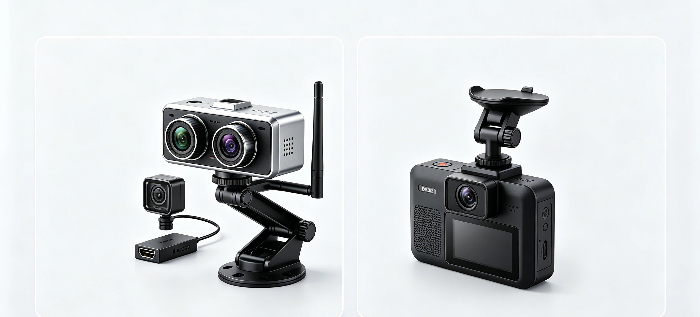
A single-facing dashcam (also called a front-facing dashcam) is mounted on the vehicle’s windshield and records the road ahead.
For many fleets, this is the first step toward improving vehicle safety and collecting reliable evidence during road incidents.
Typical features include:
- HD road recording
- GPS location tracking
- Speed recording
- G-sensor event detection
- Loop recording
- Time and date stamping
When an accident occurs, the recorded footage provides clear evidence of road conditions, traffic signals, and surrounding vehicles, helping resolve insurance claims and liability disputes.
What Is a Dual-Facing Dashcam?
A dual-facing dashcam combines two cameras into one integrated solution:
- A front-facing camera records the road.
- An inward-facing camera monitors the driver.
Unlike basic recording devices, today’s commercial dual-facing dashcams often incorporate AI-powered Driver Monitoring Systems (DMS) that actively identify unsafe driving behaviors in real time.
Instead of simply documenting accidents after they happen, these systems help fleets prevent accidents before they occur.
The driver-facing camera can detect behaviors such as:
- Driver distraction
- Mobile phone use
- Fatigue
- Frequent yawning
- Eyes closed
- Smoking
- Driver absence
- Seatbelt violations (depending on system capabilities)
When risky behavior is detected, the system can generate instant alerts for both the driver and fleet managers.
Single-Facing vs Dual-Facing Dashcams: Key Differences
Although dual-facing systems require a larger initial investment, they often deliver greater long-term value by reducing accidents, improving driver performance, and lowering insurance costs.
When Is a Single-Facing Dashcam the Better Choice?
A single-facing dashcam remains an excellent option for many fleets, particularly those seeking affordable and reliable road recording.
It is especially suitable for:
Small Delivery Fleets
Businesses operating local delivery vehicles primarily need reliable accident evidence and route documentation.
Utility and Service Vehicles
Electricians, maintenance companies, HVAC contractors, and field service providers often benefit from straightforward road recording without requiring in-cab monitoring.
Budget-Conscious Fleets
Companies beginning their digital fleet management journey may choose single-facing dashcams as an economical starting point.
Fleets Focused on Insurance Evidence
If the primary objective is documenting accidents for insurance claims, a front-facing camera is often sufficient.
When Should Fleets Choose Dual-Facing Dashcams?
For fleets where safety is critical, dual-facing dashcams provide significantly greater protection.
Long-Haul Trucking
Fatigue is one of the leading causes of serious truck accidents.
Driver-facing AI can identify early signs of drowsiness and issue alerts before dangerous situations develop.
Public Transportation
Bus operators benefit from monitoring both road conditions and driver behavior, helping improve passenger safety and service quality.
Taxi and Ride-Hailing Fleets
Dual-facing cameras protect both drivers and passengers by recording events inside and outside the vehicle.
School Buses
Monitoring driver attentiveness helps improve student safety while providing valuable evidence during incident investigations.
High-Risk Industries
Companies operating in sectors such as:
- Oil & gas
- Mining
- Construction
- Hazardous materials transportation
often require enhanced safety monitoring and compliance with strict operational standards.
Why AI Makes Dual-Facing Dashcams More Valuable
Traditional dashcams are passive devices—they record what has already happened.
Modern AI video telematics, however, actively helps fleets prevent accidents.
Advanced Driver Assistance Systems (ADAS)
ADAS technologies monitor road conditions and provide real-time warnings for situations such as:
- Forward collision risk
- Lane departure
- Unsafe following distance
- Pedestrian detection (depending on system capabilities)
These alerts give drivers valuable time to react before accidents occur.
Driver Monitoring System (DMS)
The inward-facing camera continuously analyzes driver behavior using artificial intelligence.
Typical detection capabilities include:
- Fatigue
- Distracted driving
- Phone usage
- Smoking
- Yawning
- Driver absence
- Unsafe driving posture
By identifying risky behaviors early, fleets can reduce accident rates and improve driver awareness.
Intelligent Event Recording
Rather than storing hours of unnecessary footage, AI systems automatically flag important safety events, including:
- Harsh braking
- Rapid acceleration
- Sharp cornering
- Collision events
- Driver violations
These event clips simplify incident reviews and save valuable management time.
Real-Time Fleet Alerts
When a serious event occurs, managers can receive immediate notifications through the fleet management platform, enabling rapid response and timely driver coaching.
Choosing the Right Solution for Your Fleet
There is no universal answer when selecting between single-facing and dual-facing dashcams.
A single-facing dashcam is ideal if your fleet:
- Needs reliable road recording
- Has a limited budget
- Focuses primarily on accident evidence
- Operates in relatively low-risk environments
A dual-facing dashcam is the better choice if your fleet aims to:
- Improve driver safety
- Reduce risky driving behaviors
- Enhance driver coaching
- Lower accident rates
- Strengthen compliance
- Build a smarter, AI-powered fleet management system
When evaluating the total cost of ownership, many fleets find that reduced accident frequency, lower insurance claims, and improved operational efficiency quickly offset the higher initial investment.
Why Choose HBOIOT Video Telematics Solutions?
As a professional Internet of Vehicles (IoV) solution provider, HBOIOT delivers intelligent video telematics solutions designed specifically for commercial fleets.
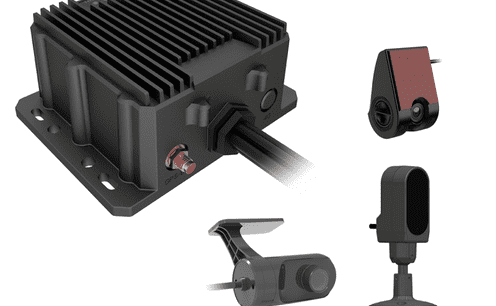
HBOIOT’s portfolio includes AI dashcams, dual-facing cameras, and MDVR systems that integrate advanced technologies such as artificial intelligence, satellite positioning, and wireless communication to support smarter fleet operations.
By combining intelligent hardware with a powerful software platform, HBOIOT helps fleet operators improve safety, reduce operational risks, and gain greater visibility into their daily operations.
Conclusion
While single-facing dashcams provide reliable road recording for basic fleet operations, today’s commercial fleets increasingly require more than just video evidence. AI-powered dual-facing dashcams enable real-time driver monitoring, proactive safety alerts, and intelligent fleet management, making them the preferred choice for fleets focused on reducing accidents and improving operational efficiency.
HBOIOT’s AI video telematics solutions combine forward-facing ADAS cameras, driver-facing DMS cameras, GPS tracking, and cloud fleet management into one integrated platform, helping commercial fleets build a safer and smarter operation.