
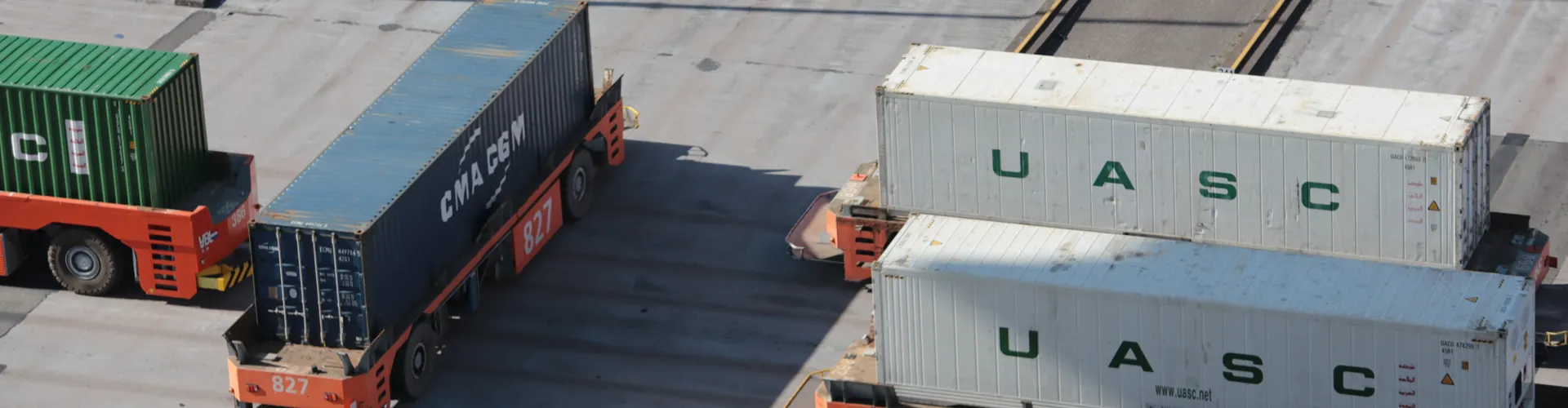

Under the World Customs Organization’s (WCO) frameworks for Coordinated Border Management, the mandate for customs authorities has expanded far beyond traditional border checkpoints. Today, securing international trade requires a seamless blend of physical integrity, real-time visibility, and regulatory compliance. Within this evolving landscape, the GPS ELOCK (smart electronic customs lock) has emerged not merely as a tracking accessory, but as a foundational pillar of modern customs infrastructure. Manufacturers such as HBOIOT have invested heavily in refining these devices so that they can withstand the harshest transit conditions while delivering the verified data that customs administrations need to facilitate legitimate trade and neutralize risks. For global supply chains, the electronic customs seal represents a practical, proven solution that aligns operational realities with international compliance standards.
Why Customs Authorities Need Real-Time Cargo Monitoring
Customs authorities worldwide are increasingly recognizing that border security does not begin or end at the physical gate. The integrity of cargo moving through transit corridors is often where vulnerabilities emerge. Traditional paper-based transit procedures and manual inspections, while historically necessary, introduce friction, delay commercial flows, and leave gaps in the chain of custody that can be exploited for smuggling or diversion.
Improving Customs Efficiency and Cargo Security
The adoption of GPS ELOCK technology addresses these systemic challenges by shifting the paradigm from reactive inspection to proactive, continuous monitoring. When a container is sealed with an electronic customs lock at the port of departure, customs authorities gain an unbroken digital thread that follows the cargo across borders. This visibility directly supports resource optimization; instead of allocating scarce inspection personnel to low-risk shipments, authorities can focus their efforts on high-value targets flagged by data anomalies. Furthermore, the assurance of cargo integrity throughout the journey builds trust between neighboring jurisdictions, a critical component of regional trade facilitation. By providing an immutable record of route compliance and seal status, the GPS ELOCK transforms transit monitoring from a logistical burden into a strategic asset for customs compliance and national revenue protection.
What Makes a GPS ELOCK Effective for Customs Operations
The value of an electronic customs seal lies in its ability to translate physical events into actionable intelligence. For customs operations to be efficient, the technology must align seamlessly with existing workflows and real-world infrastructure. Three core capabilities define an effective GPS ELOCK deployment.
Geofencing for Route and Border Compliance
First, geofencing must reflect actual border infrastructure and designated transit routes. Effective systems, such as those designed by HBOIOT, allow customs authorities to define virtual boundaries that correspond to approved corridors, ports, and bonded warehouses. When a vehicle deviates from an authorized route or enters an unauthorized zone, the system generates an immediate, context-aware alert. This capability ensures that route compliance is monitored against operational realities rather than abstract lines on a map, reducing false positives and enabling targeted interventions.
Configurable Alerts for Different Customs Operations
Second, configurable alert rules are essential for matching the diverse operational workflows of different customs administrations. Not every event requires the same level of response. A mature GPS ELOCK platform, built on the architecture that HBOIOT has refined through deployments across multiple continents, allows authorities to tier alerts based on severity, location, and cargo type. An unauthorized door opening in a high-security zone triggers a different protocol than a brief communication loss in a remote area. This flexibility ensures that customs officers receive meaningful notifications that align with their risk management strategies, preventing alert fatigue and maintaining operational focus.
Multi-Layered Tamper Detection for Cargo Security
Third, multi-layered tamper detection serves as the physical security foundation upon which all digital oversight rests. The credibility of electronic monitoring depends entirely on the integrity of the seal itself. Advanced electronic customs locks, including those developed by HBOIOT, employ multiple sensors to detect cutting, drilling, prying, and unauthorized opening attempts. When a tamper event occurs, the device immediately locks its current status and transmits an alert, preserving the forensic evidence of the breach. This physical resilience ensures that the digital data stream remains trustworthy, providing customs authorities with confidence that the cargo they are monitoring has not been compromised.
Real-World Applications of GPS ELOCK in Customs Operations
The theoretical benefits of GPS ELOCK technology are best understood through its successful deployment in WCO-endorsed initiatives across diverse regions. These programs demonstrate how electronic seals serve as the connective tissue for coordinated border management. Companies like HBOIOT have supplied devices that form the backbone of many of these programs, providing the physical layer that makes digital coordination possible.
East Africa: Regional Electronic Cargo Tracking System (RECTS)
In East Africa, the Regional Electronic Cargo Tracking System (RECTS) linking Kenya, Uganda, and Rwanda stands as a landmark achievement in regional integration. Developed in cooperation with the WCO, RECTS has fundamentally transformed transit monitoring along the Northern Corridor. By replacing cumbersome paper-based transit bonds with electronic seals, the system has dramatically reduced transit times for cargo moving between Mombasa and inland destinations. More importantly, it has increased revenue collection for participating customs administrations by closing loopholes that previously allowed for cargo diversion and tax evasion. The success of RECTS has created a replicable model for regional transit security that continues to expand.
Benin: Integrating Electronic Cargo Tracking with Customs Systems
Benin offers another compelling example of integrated customs modernization. The country’s comprehensive digital environment links customs operations, the National Single Window, the Port Community System, and electronic cargo tracking into a unified platform. Within this ecosystem, GPS ELOCKs provide the physical verification layer that validates digital declarations. When a container’s electronic seal data aligns with its customs declaration and port movement records, the system can automatically clear the cargo for onward transit. This multi-system coordination has streamlined border processes, reduced dwell times at the Port of Cotonou, and enhanced Benin’s position as a reliable transit hub for landlocked neighbors.
China-Europe Container Corridors: Securing Long-Distance Transit
Along the China-Europe container corridors, the WCO has actively promoted the deployment of electronic seals as a means of enhancing supply chain security across vast distances. These initiatives demonstrate how electronic customs locks can maintain cargo integrity across multiple jurisdictions and transport modes. By providing continuous, verifiable monitoring from origin to destination, these deployments have strengthened mutual recognition between customs authorities and reduced the need for redundant inspections at intermediate borders. The reliability of these electronic seals has been instrumental in building trust along one of the world’s most critical trade routes.
ECOWAS: Building Cross-Border Transit Monitoring
Within the ECOWAS region, member states are actively working to interconnect their IT systems for better transit monitoring, with electronic cargo tracking serving as a key enabler. These efforts reflect a growing recognition that customs security is inherently regional. By standardizing electronic seal protocols and sharing tracking data across borders, ECOWAS members are creating a more cohesive security framework that facilitates legitimate trade while maintaining effective oversight. The WCO’s support for these initiatives underscores the global consensus on electronic seals as essential infrastructure for modern customs.

How GPS ELOCK Supports Smarter Border Management
GPS ELOCK technology serves as the trusted data foundation upon which smarter border management can be progressively built. While advanced analytics and artificial intelligence offer exciting possibilities for predictive risk assessment, their effectiveness depends entirely on the quality and reliability of the underlying data. Electronic customs locks provide this verified data stream, capturing real-time information on cargo movement, seal integrity, and route compliance that feeds directly into customs decision-making systems. Manufacturers such as HBOIOT continue to refine their devices to ensure that the data captured is as accurate and resilient as possible, so that customs authorities can build their digital strategies on a solid foundation.
Improving Compliance, Transit Efficiency, and Risk Management
The immediate value of GPS ELOCK deployment does not depend on future technological developments. Customs authorities that implement electronic seal systems today realize measurable returns through improved compliance, reduced inspection costs, and faster transit times. As data accumulates, the foundation is laid for more sophisticated applications. Historical tracking data can inform risk profiling, identify emerging smuggling patterns, and optimize resource allocation. Intelligence features enhance the device’s value over time, but the device itself delivers tangible operational benefits from day one.
Building a Foundation for Future Digital Transformation
This step-by-step approach to digital modernization allows customs administrations to build capability at a sustainable pace. The electronic customs lock is not an endpoint but a starting point — a reliable, proven technology that establishes the data integrity necessary for future innovation. By anchoring border management in verified physical monitoring, authorities can pursue digital transformation with confidence, knowing that their foundational systems are secure and effective.
Conclusion: GPS ELOCK as a Foundation for Modern Customs
Across diverse regions and trade corridors, the GPS ELOCK has proven itself as the trusted physical anchor for modern customs operations. Endorsed and implemented through WCO frameworks, electronic customs seals have demonstrated their ability to enhance cargo security, streamline transit processes, and strengthen regional cooperation. From the Northern Corridor in East Africa to the integrated systems of Benin and the expansive China-Europe corridors, these devices have delivered measurable improvements in customs compliance and trade facilitation.
For customs authorities seeking to modernize their operations, the GPS ELOCK represents more than a technology investment — it represents a commitment to coordinated border management grounded in verified data and physical integrity. As global trade continues to evolve, the need for reliable, real-time monitoring of cargo in transit will only grow. Electronic customs locks provide the practical, proven solution that customs administrations need to secure their borders while facilitating the legitimate flow of commerce. Companies like HBOIOT are committed to advancing this technology, ensuring that customs authorities around the world have access to the most reliable hardware possible. In an era where trust and transparency are the currencies of international trade, the GPS ELOCK — and the manufacturers who stand behind it — stands as a foundational element of customs infrastructure that delivers value today while building toward a smarter, more connected future.