
Public transportation operators face increasing pressure to improve passenger safety, reduce road accidents, and manage vehicle operations more efficiently. Bus drivers work in demanding environments involving heavy traffic, frequent stops, pedestrians, and long operating hours. Without effective monitoring, driver fatigue, distracted driving, and unexpected road incidents can create significant safety risks.
Traditional GPS tracking systems help fleet managers monitor vehicle locations, but they cannot show what is happening inside or around a vehicle. This is where video telematics becomes valuable. By combining AI-powered cameras, GPS tracking, wireless communication, and centralized fleet management, modern video telematics systems provide greater visibility into vehicle operations and help operators take a more proactive approach to safety.
1. Why Is Safety a Major Challenge for Public Transportation Fleets?
Public transportation vehicles carry large numbers of passengers every day. Maintaining consistent safety standards across an entire fleet requires more than driver supervision and routine vehicle inspections.
Driver Fatigue and Distracted Driving
Long working hours, repetitive routes, and demanding schedules can increase driver fatigue. Distractions such as mobile phone use, smoking, or taking attention away from the road can also increase accident risks.
Without continuous monitoring, fleet managers may find it difficult to identify unsafe driving patterns before they lead to serious incidents.
Complex Traffic Conditions and Road Accidents
Buses frequently operate in crowded urban environments where motorcycles, pedestrians, cyclists, and other vehicles share limited road space. Large vehicles also have significant blind spots, making lane changes and turning maneuvers more challenging.
Limited Visibility into Vehicle Operations
Conventional GPS tracking provides location and route information but offers little insight into driver behavior, road conditions, or passenger activities. When an accident or passenger dispute occurs, operators may lack reliable video evidence to understand the situation.
These challenges highlight the need for more comprehensivefleet safety dashcams and intelligent monitoring technologies.
2. What Is Video Telematics and How Does It Work?
Video telematics combines vehicle cameras, GPS positioning, wireless communication, and data analysis to monitor commercial vehicle operations.
A typical video telematics platform collects information from cameras installed inside and outside vehicles. GPS modules provide location data, while AI algorithms analyze driving behavior and identify potential safety risks. Through 4G connectivity, relevant video footage, alerts, and vehicle information can be transmitted to a centralized management platform.
With smart video telematics, fleet managers can:
- Monitor vehicle locations and movements in real time.
- Review live video and recorded driving footage remotely.
- Receive alerts about driver fatigue and unsafe driving behavior.
- Identify potential road hazards through AI-powered detection.
- Analyze driving events and maintain historical records.
Unlike standalone dashcams,fleet video telematics connects video evidence with vehicle data, helping operators make more informed safety and management decisions.
3. Key Video Telematics Technologies for Bus Fleet Safety
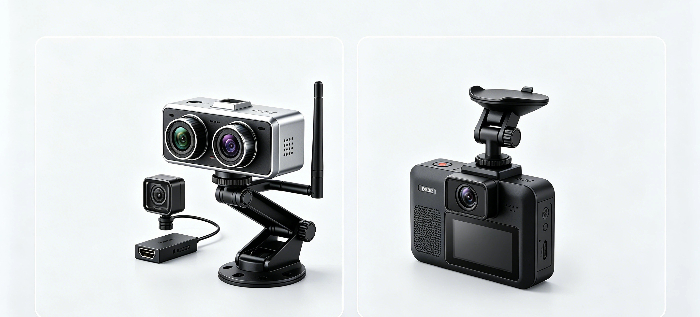
Several technologies work together to improve visibility and reduce operational risks in public transportation fleets.
3.1 Driver Monitoring System (DMS)
A Driver Monitoring System uses an in-cabin camera and AI algorithms to analyze driver behavior and identify signs of fatigue or distraction.
Depending on the system configuration, DMS can detect behaviors such as:
- Drowsiness and prolonged eye closure.
- Frequent yawning.
- Mobile phone use while driving.
- Smoking or other distracting activities.
- Failure to wear a seatbelt.
When an unsafe behavior is detected, the system can issue an audible warning to remind the driver to pay attention. Alerts and event records can also be sent to fleet managers for further review.
DMS helps transportation operators identify risky driving patterns and develop more effective driver training and safety management programs.
3.2 Advanced Driver Assistance System (ADAS)
ADAS uses a forward-facing camera and image recognition algorithms to monitor road conditions and identify potential driving hazards.
Common functions include:
- Forward Collision Warning (FCW): Alerts drivers when a potential front-end collision risk is detected.
- Lane Departure Warning (LDW):Warns drivers when the vehicle unintentionally moves out of its lane.
- Headway Monitoring Warning (HMW):Identifies potentially unsafe following distances.
For buses operating in busy urban environments, these warnings can improve driver awareness and support safer driving decisions. ADAS is designed to assist drivers rather than replace their attention or responsibility.
3.3 Multi-Channel Video Monitoring with Mobile DVR
A single forward-facing camera cannot cover every important area of a bus. Multi-channel video monitoring provides a more complete view of vehicle operations.
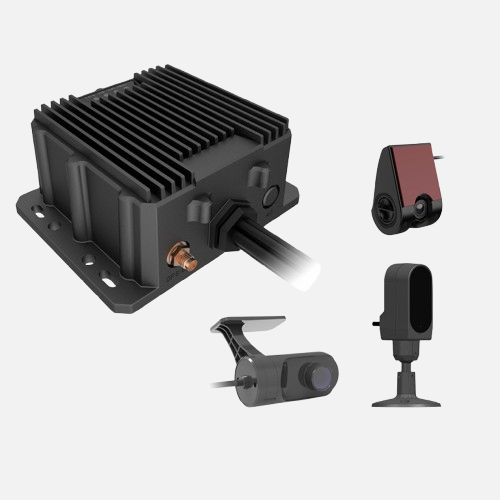
A bus mobile DVR (MDVR) supports multiple camera inputs, allowing operators to monitor different areas, including:
- The road ahead and rear of the vehicle.
- Driver and passenger compartments.
- Front and rear passenger doors.
- Side areas and potential blind spots.
A mobile DVR for buses can record footage locally and, when connected to a network, transmit video to a remote monitoring platform. This helps operators review incidents, investigate passenger disputes, and improve overall vehicle security.
3.4 GPS Tracking and Centralized Fleet Management
GPS tracking adds location information to video and driving event records. When an incident occurs, fleet managers can identify where the vehicle was operating and review the corresponding footage.
An integrated video telematics platform brings these functions together, allowing operators to monitor multiple vehicles, receive alerts, access video records, and review fleet activities through a centralized interface.
4. How Does Video Telematics Improve Public Transportation Operations?
Beyond monitoring individual driving events, video telematics solutions can improve safety management across an entire transportation fleet.
Reduce Accident Risks and Improve Driver Accountability
DMS and ADAS help identify unsafe driving behaviors and provide timely warnings. Fleet managers can use recorded events to evaluate driver performance, identify recurring problems, and arrange targeted training.
Enhance Passenger Safety and Security
Cameras installed inside buses provide visibility into passenger areas, entrances, and exits. Video recordings can help investigate passenger disputes, theft, and other unexpected incidents while providing evidence when needed.
Improve Incident Investigation and Emergency Response
When an accident occurs, video footage combined with GPS information helps operators understand the circumstances surrounding the event. Remote video access also allows monitoring teams to assess situations without waiting for vehicles to return to the depot.
Optimize Fleet Management Efficiency
A centralized fleet video telematics system reduces the need for manual inspections and fragmented monitoring tools. Operators can review vehicle activities, analyze driving performance, and make more informed decisions about fleet operations.
5. How Can Integrated Video Telematics Solutions Support Bus Fleets?
For public transportation operators, an integrated solution combiningAI dashcams, mobile DVRs, GPS tracking, and cloud-based management can provide more comprehensive fleet visibility.
For example, a four-channel AI dashcam can monitor the road ahead, driver behavior, and additional areas around the vehicle. A mobile DVR can support multi-camera recording, while GPS and 4G connectivity enable remote monitoring through a centralized platform.
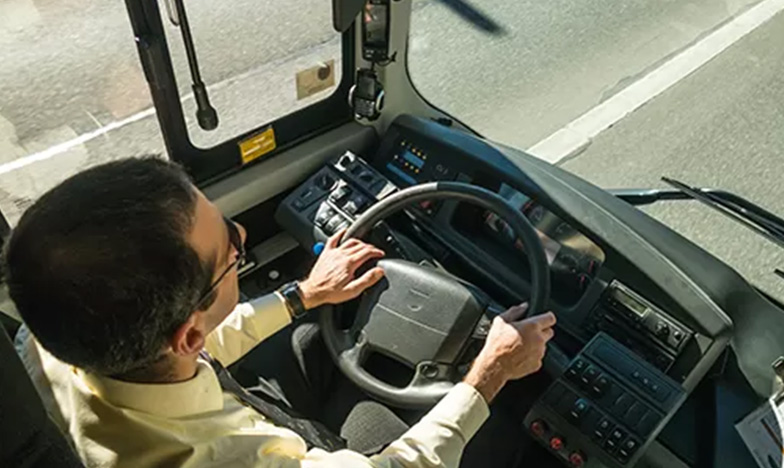
Real-World Application: Public Transportation Fleet in Vietnam
In a public transportation project in Vietnam, a fleet operator needed better visibility into driver behavior and vehicle operations across its taxi and bus fleet.
The project involved a 100-unit pilot deployment of HB-T8 4-channel AI dashcams. The solution combined real-time GPS tracking, Driver Monitoring System (DMS), and Advanced Driver Assistance System (ADAS) functions.
The deployment helped the operator:
- Identify potential fatigue and distracted driving behaviors.
- Improve driver awareness through AI-powered alerts.
- Monitor vehicle locations and fleet activities remotely.
- Strengthen safety management and address potential collision risks.
This project demonstrates how AI video telematics can support safer public transportation operations while improving fleet management visibility.
Conclusion
Video telematics is becoming an important technology for improving public transportation safety. By combining AI-powered driver monitoring, road hazard detection, multi-channel video recording, and GPS tracking, transportation operators can gain better visibility into vehicle operations and manage safety risks more effectively.
Choosing the right video telematics providers and solutions is essential for building a reliable fleet monitoring system. With integrated AI dashcams, mobile DVRs, and cloud-based fleet management capabilities, HBOIOT provides customizable video telematics solutions to help public transportation operators improve driver safety, protect passengers, and build smarter, more connected bus fleets.