
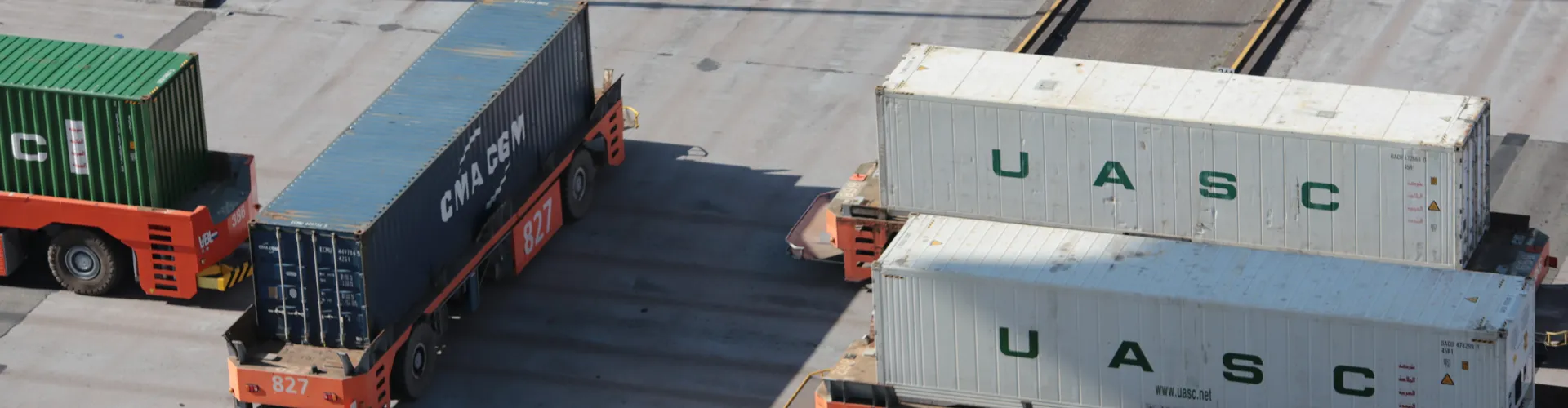
Mining and construction vehicles operate in demanding environments where driver safety, vehicle visibility, and operational efficiency are constant concerns. Large blind spots, uneven terrain, dust, long working hours, and frequent interactions between heavy machinery and workers can increase the risk of accidents.
Traditional dashcams provide video recordings for later review, but they offer limited support for identifying risky driving behaviors in real time. AI dashcam solutions go further by combining video monitoring, artificial intelligence, and GPS tracking to help fleet operators identify potential risks and improve safety management.
For mining companies and construction contractors managing large fleets, an AI dashcam system can provide better visibility into vehicle operations and support more proactive safety supervision.
Common Safety Challenges in Mining and Construction Fleets
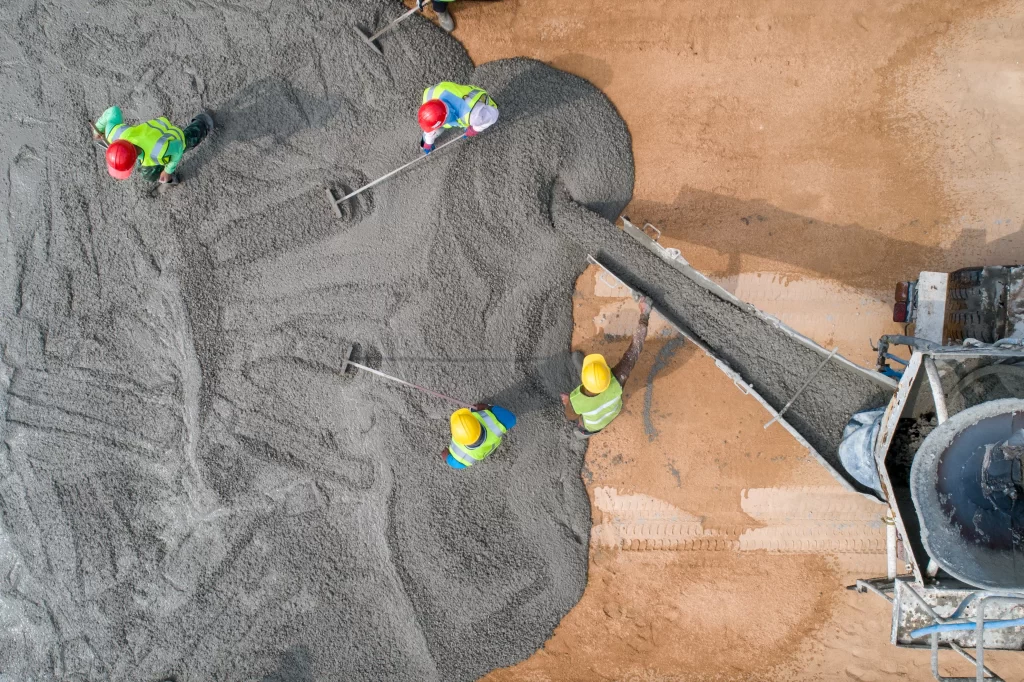
Heavy-duty vehicles face different safety challenges from standard commercial vehicles.
Driver fatigue and distraction: Mining and construction operations often involve extended shifts and repetitive driving tasks. Fatigue, mobile phone use, and inattention can reduce driver awareness and reaction time.
Large vehicle blind spots: Dump trucks, wheel loaders, excavators, and bulldozers have limited visibility around certain areas. Nearby workers, smaller vehicles, and obstacles may be difficult for operators to identify.
Risky driving behaviors: Speeding, harsh braking, sudden acceleration, and unsafe driving practices can increase accident risks and contribute to vehicle wear.
Challenging operating conditions: Dust, vibration, poor lighting, uneven roads, and changing weather conditions can make vehicle monitoring more difficult.
These challenges make it important for fleet managers to have more than basic video recording. They need tools that can help identify potential risks and provide timely information for safety management.
What Is an AI Dashcam for Mining and Construction Vehicles?
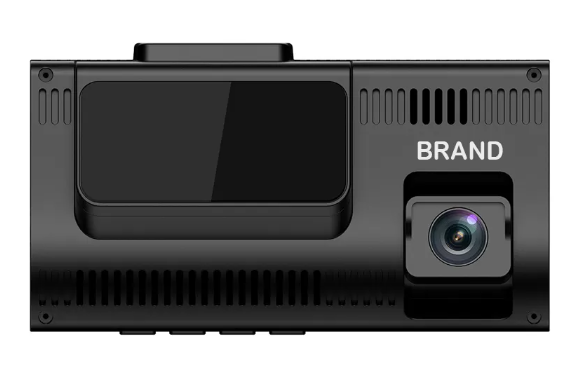
An AI powered dashcam is an in-vehicle video monitoring device that uses artificial intelligence to analyze camera footage and identify selected driving behaviors or potential safety risks.
Unlike a traditional dashcam, which mainly records video, an AI dashcam can generate alerts when supported risk conditions are detected. Depending on the device, these may include driver fatigue, distracted driving, mobile phone use, or forward collision warnings.
A typical AI dashcam solution may include:
- AI cameras: Capture driver-facing or road-facing video for monitoring and analysis.
- Driver Monitoring System (DMS): Identifies selected driver behaviors, such as drowsiness or distraction.
- Advanced Driver Assistance System (ADAS):Analyzes road-facing images to identify supported driving hazards.
- GPS positioning: Provides vehicle location information and route history.
- Communication modules: Transmit video events, alerts, and vehicle data to a remote platform.
- Fleet management platform:Allows authorized managers to review vehicle information, alerts, and available video records.
The specific functions depend on the AI dashcam model, camera configuration, and software capabilities.
How AI Dashcams Improve Safety in Mining and Construction Operations
1. Driver Fatigue and Distraction Detection
Driver fatigue and distraction are important risk factors in heavy-duty vehicle operations. AI-powered Driver Monitoring Systems use an in-cabin camera to identify selected behaviors, such as prolonged eye closure, frequent yawning, looking away from the road, or mobile phone use, depending on the model.
When a supported risk behavior is detected, the system can generate an audible warning to remind the driver to pay attention. Alerts may also be transmitted to fleet managers for further review.
This helps companies identify unsafe driving patterns and take corrective action through driver training and safety procedures.
2. Road Monitoring and Hazard Warnings
A dashcam with ai equipped with ADAS functions can analyze forward-facing camera footage to identify certain potential road hazards.
Depending on the supported functions, the system may provide warnings related to forward collision risks, lane departure, or unsafe following distances.
For mining and construction vehicles, these features can provide additional assistance when vehicles operate on internal roads, access routes, or other designated driving areas. However, ADAS performance depends on camera installation, visibility, road conditions, and system configuration. It should supplement rather than replace safe driving practices.
3. GPS Tracking and Vehicle Monitoring
Combining AI dashcams with GPS tracking provides fleet managers with a clearer picture of vehicle operations.
GPS positioning helps identify vehicle locations and review route history. When connected to a compatible management platform, location data can be reviewed alongside video events and driving alerts.
For example, managers can investigate where a speeding alert occurred or review video footage associated with a reported driving incident. This combination of GPS tracking and video monitoring supports more informed fleet supervision.
4. Video Recording and Incident Investigation
Video evidence is valuable when investigating traffic accidents, vehicle damage, or disputes involving drivers and other road users.
AI dashcams can record driving footage and, depending on the model, save relevant video clips when specific events occur. Fleet managers can review available recordings to understand what happened and identify possible contributing factors.
These records can also support driver training by providing practical examples of unsafe behaviors and appropriate driving responses.
AI Dashcam Applications in Mining and Construction Vehicles
Different heavy-duty vehicles have different monitoring requirements. Camera configuration and AI functions should be selected according to vehicle design and operating conditions.
| Vehicle Type | Common Safety Challenges | Potential AI Dashcam Applications |
| Mining dump trucks | Driver fatigue, blind spots, speeding, collisions | DMS, GPS tracking, video recording |
| Excavators | Limited visibility, nearby workers and vehicles | Multi-camera monitoring, video recording |
| Wheel loaders | Blind spots, reversing risks, vehicle interactions | Camera monitoring, supported hazard detection |
| Bulldozers | Difficult terrain, limited visibility | Video recording, driver monitoring |
| Construction trucks | Driver distraction, road safety, route management | AI driver monitoring, GPS tracking, event recording |
For vehicles operating in active mining areas, additional cameras may be needed to cover areas that cannot be monitored by a standard forward-facing dashcam. Pedestrian detection and blind-spot warnings should only be expected when the selected system specifically supports these functions.
Benefits of AI Dashcam Solutions for Heavy-Duty Fleets
When properly deployed, AI dashcam solutions can support mining and construction companies in several ways:
- Improved driver safety: Real-time warnings help drivers recognize selected risky behaviors and respond accordingly.
- Better fleet visibility: GPS tracking and video monitoring provide additional information about vehicle movements and operating conditions.
- More effective safety supervision: Driver behavior records help managers identify recurring risks and organize targeted training.
- Faster incident investigation: Recorded footage provides useful evidence for reviewing accidents and operational disputes.
- Stronger safety management: Consistent monitoring supports the implementation and evaluation of fleet safety procedures.
AI dashcams do not eliminate accidents or replace driver training. Their value depends on appropriate installation, accurate configuration, driver cooperation, and timely management responses.
How to Deploy an AI Dashcam System Across Your Fleet
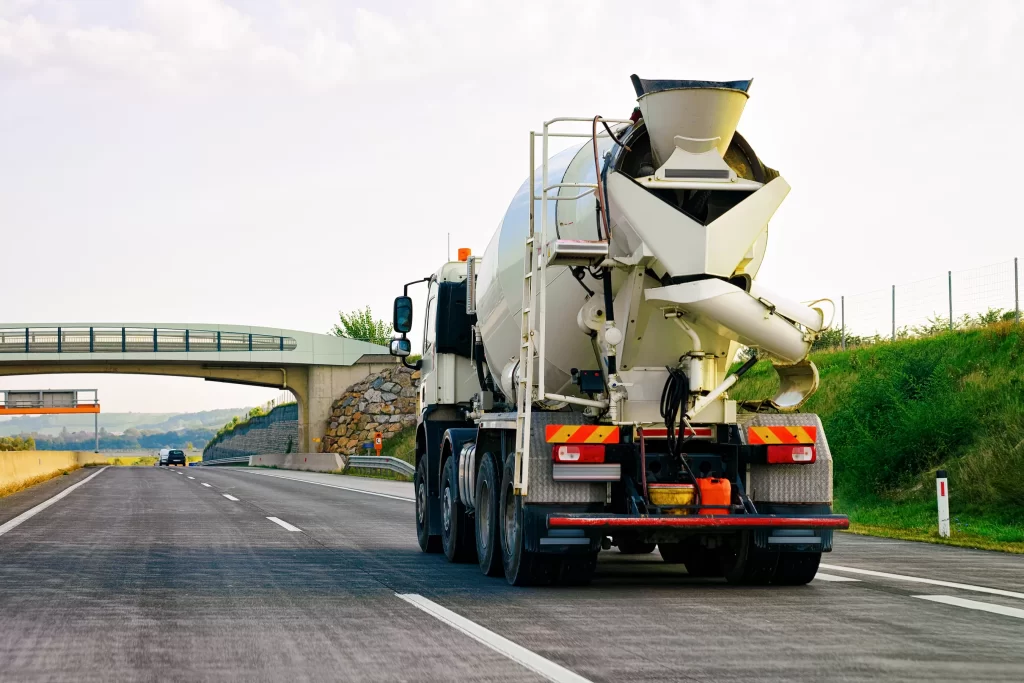
A structured deployment process helps ensure that the system meets actual operational requirements.
- Assess fleet requirements:Identify vehicle types, working conditions, and the main safety risks that need to be addressed.
- Select suitable devices:Choose AI dashcams with the required DMS, ADAS, GPS, and camera functions.
- Plan camera installation:Determine camera positions based on vehicle structure, driver visibility, and monitoring coverage.
- Configure alerts and connectivity:Set appropriate detection parameters and ensure that devices can communicate with the management platform.
- Train drivers and managers: Explain alert responses, video monitoring procedures, and how safety events should be handled.
- Review system performance: Analyze alerts, video records, and driver behavior trends to identify areas for improvement.
Conclusion
Mining and construction companies need reliable tools to manage driver behavior, improve vehicle visibility, and reduce operational safety risks. AI dashcam solutions combine intelligent video analysis, driver monitoring, GPS tracking, and event recording to support more proactive fleet safety management.
For businesses operating heavy-duty vehicles in demanding environments, choosing the right system requires careful evaluation of AI functions, camera coverage, environmental durability, and platform compatibility. HBOIOT provides GPS tracking and intelligent video monitoring solutions to help mining and construction operators strengthen driver supervision and improve fleet safety management.