
Fleet operators today face increasing pressure to improve safety, reduce accidents, manage driver behavior, and maintain compliance with industry regulations. At the same time, rising insurance costs and growing liability risks have made video monitoring systems an essential part of modern fleet management.
Among the most widely adopted solutions are MDVR (Mobile Digital Video Recorder) systems and AI Dashcams (AI-Powered Video Telematics Systems). While both technologies help fleets monitor vehicles and improve operational visibility, they serve different purposes and offer different advantages.
This article compares MDVR and AI Dashcam solutions, examines their strengths and limitations, and helps fleet operators determine which technology best fits their operational requirements.
What Is an MDVR?
An MDVR (Mobile Digital Video Recorder) is a vehicle surveillance system designed to record, store, and manage video from multiple cameras installed throughout a vehicle.
Unlike standard dashcams that typically record only the road ahead, MDVR systems can simultaneously capture footage from various locations inside and outside the vehicle.
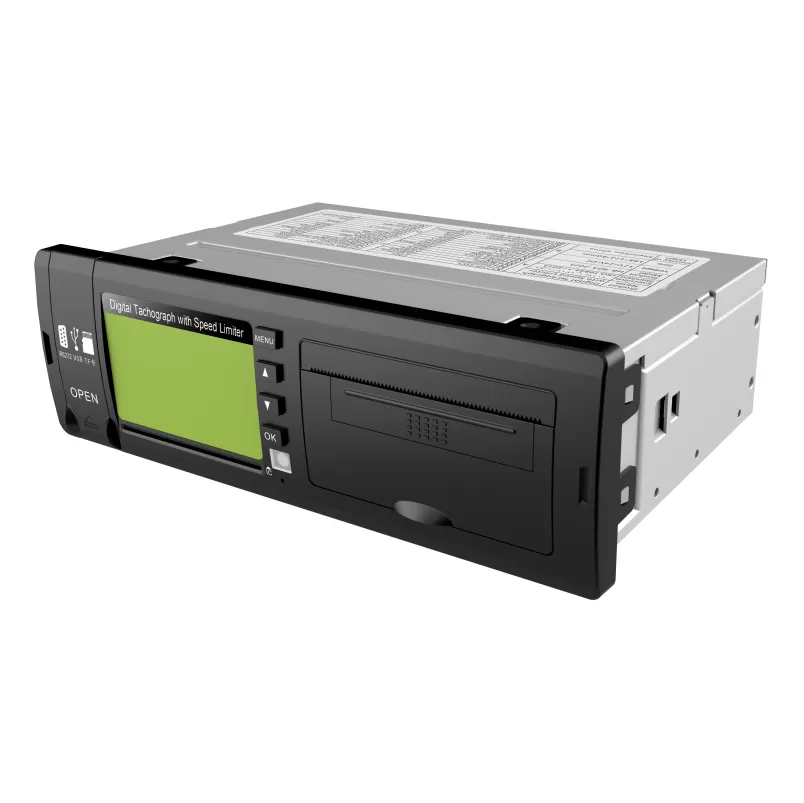
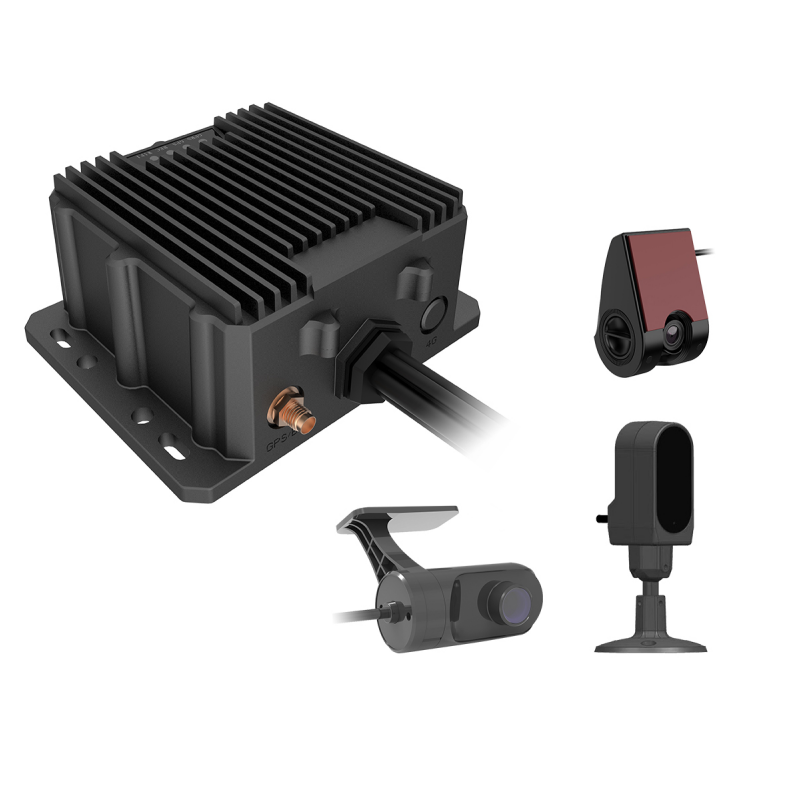
A typical MDVR solution consists of a central recording unit, multiple cameras, local storage devices such as SSDs or SD cards, GPS modules, and wireless communication capabilities including 4G connectivity.
Common Applications of MDVR Systems
MDVR systems are widely used in industries where comprehensive vehicle monitoring is required, including:
- Public transportation fleets
- School buses
- Passenger coaches
- Mining vehicles
- Construction equipment
- Oil and gas transportation vehicles
These environments often require multiple camera angles to monitor passengers, drivers, cargo, and vehicle surroundings simultaneously.
Key Advantages of MDVR
The primary strength of an MDVR system lies in its ability to provide complete vehicle coverage. With support for four, eight, or even more cameras, fleet operators gain access to detailed video evidence from multiple perspectives.
MDVR systems also offer large storage capacities and reliable recording capabilities, making them highly effective for accident investigations, compliance monitoring, and security management.
What Is an AI Dashcam?
An AI Dashcam combines video recording with artificial intelligence technologies that actively monitor driving behavior and road conditions.
Rather than simply recording footage for later review, AI Dashcams analyze events in real time and provide immediate feedback to drivers and fleet managers.
As a result, AI Dashcams have become a core component of modern video telematics solutions.
Driver Monitoring System (DMS)
One of the most important AI technologies is the Driver Monitoring System (DMS).
The DMS continuously monitors driver behavior; once risky behavior is detected, the system issues an immediate alert, helping the driver correct their actions before an accident occurs.
Advanced Driver Assistance System (ADAS)
AI Dashcams also incorporate Advanced Driver Assistance System (ADAS) technologies.
ADAS functions typically include lane departure warning, forward collision warning, detection of unsafe following distances, and pedestrian warning.
These features help reduce the risk of accidents and enhance the overall safety of the fleet.
Common Applications of AI Dashcams
AI Dashcams are particularly popular among:
- Logistics fleets
- Commercial trucking companies
- Delivery services
- Taxi operators
- Vehicle leasing companies
Because these fleets prioritize driver safety and operational efficiency, AI-powered monitoring can provide significant value.
Key Advantages of AI Dashcams
The greatest advantage of AI Dashcams is their ability to prevent incidents before they happen.
By identifying unsafe driving behaviors and providing real-time warnings, AI Dashcams help reduce accidents, lower insurance claims, and improve driver performance across the fleet.
MDVR vs AI Dashcam: Key Differences
Although both technologies involve video monitoring, their primary objectives differ significantly.
| Feature | MDVR | AI Dashcam |
| Primary Purpose | Video recording and surveillance | Driver safety improvement |
| Camera Support | Multiple cameras (4–8+) | Usually 1–4 cameras |
| Real-Time AI Alerts | Limited | Advanced |
| Driver Monitoring | Optional | Core function |
| ADAS Functions | Optional | Standard feature |
| Evidence Collection | Excellent | Good |
| Driver Coaching | Limited | Strong |
| Installation Complexity | Higher | Lower |
| Cost | Higher | Generally lower |
| Fleet Safety Management | Moderate | Excellent |
In simple terms, MDVR focuses on comprehensive video recording, while AI Dashcams focus on proactive risk prevention.
When Should You Choose MDVR or AI Dashcam?
Different fleet operations have different priorities. Understanding your primary business objective is the key to selecting the right video monitoring solution.
| Business Requirement | Recommended Solution | Why |
| Multi-camera vehicle surveillance | MDVR | Supports multiple cameras for monitoring drivers, passengers, cargo areas, rear views, and blind spots. |
| Public transportation fleets | MDVR | School buses, city buses, and passenger coaches often require comprehensive video coverage and compliance recording. |
| Security-focused operations | MDVR | Provides reliable video evidence and complete vehicle monitoring for mining, construction, and hazardous cargo transportation. |
| Driver behavior management | AI Dashcam | Uses DMS technology to identify fatigue, distraction, phone usage, and other risky behaviors. |
| Accident prevention | AI Dashcam | ADAS features provide real-time warnings for collision risks, lane departures, and unsafe following distances. |
| Logistics and trucking fleets | AI Dashcam | Helps improve driver safety, reduce violations, and increase operational efficiency during long-haul transportation. |
| Insurance and risk reduction | AI Dashcam | Fewer accidents and safer driving records can help reduce claims and liability costs. |
The Simple Rule
If your primary goal is to record everything that happens around the vehicle, an MDVR system is usually the better choice.
If your primary goal is to prevent accidents and improve driver behavior, an AI Dashcam typically delivers greater value.
For fleets that require both comprehensive surveillance and proactive safety management, an integrated video telematics solution that combines MDVR recording with AI Dashcam capabilities often provides the most complete solution.
Can MDVR and AI Dashcam Be Combined?
The Emerging Trend in Fleet Management
Increasingly, fleet operators are no longer choosing between MDVR and AI Dashcams.
Instead, they are adopting integrated video telematics platforms that combine the strengths of both technologies.
Benefits of Integrated Solutions
By combining MDVR recording capabilities with AI-powered safety functions, fleet managers gain access to:
- Multi-camera video recording
- Driver monitoring
- ADAS alerts
- GPS tracking
- Video telematics analytics
- Cloud-based fleet management
This integrated approach provides a more complete view of vehicle operations.
The Best of Both Worlds
A hybrid solution delivers both comprehensive video evidence and proactive risk management.
As a result, many large commercial fleets are moving toward integrated platforms rather than relying on a single technology.
Why HBOIOT Video Telematics Solutions Stand Out
HBOIOT offers both advanced AI Dashcam systems and professional MDVR solutions designed for commercial fleet applications.
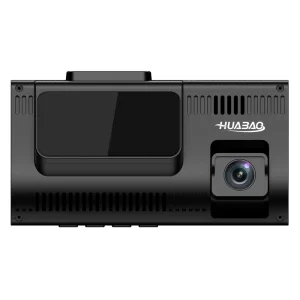
Its AI Dashcam solutions provide powerful DMS and ADAS capabilities, helping fleets monitor driver behavior, reduce accident risks, and improve safety performance. Features such as fatigue detection, distraction monitoring, GPS tracking, driver scoring, and real-time alerts support proactive fleet management.
For fleets requiring comprehensive surveillance, HBOIOT MDVR systems support multi-channel recording, remote monitoring, cloud management, and fleet-wide supervision. These solutions are suitable for public transportation, logistics, mining, construction, and energy transportation applications.
In addition, HBOIOT‘s integrated video telematics platform combines AI Dashcams, MDVR technology, GPS tracking, and fleet management tools into a single ecosystem, providing operators with greater visibility and control over their vehicles.
Conclusion
When comparing MDVR and AI Dashcams, there is no universal winner. The best choice depends on the specific needs of the fleet.
If comprehensive surveillance, multi-camera recording, and evidence collection are the primary goals, MDVR remains an excellent solution. If improving driver behavior, reducing accidents, and enhancing fleet safety are the main priorities, AI Dashcams often provide greater value.
For many modern fleet operators, integrated video telematics solutions that combine MDVR recording capabilities with AI-powered safety technologies offer the most complete approach to fleet management.
Whether your focus is safety, compliance, operational visibility, or risk reduction, selecting the right video monitoring solution can significantly improve fleet performance. With both advanced AI Dashcam systems and professional MDVR solutions, HBOIOT helps fleet operators build safer, smarter, and more efficient transportation operations through intelligent video telematics technology.