
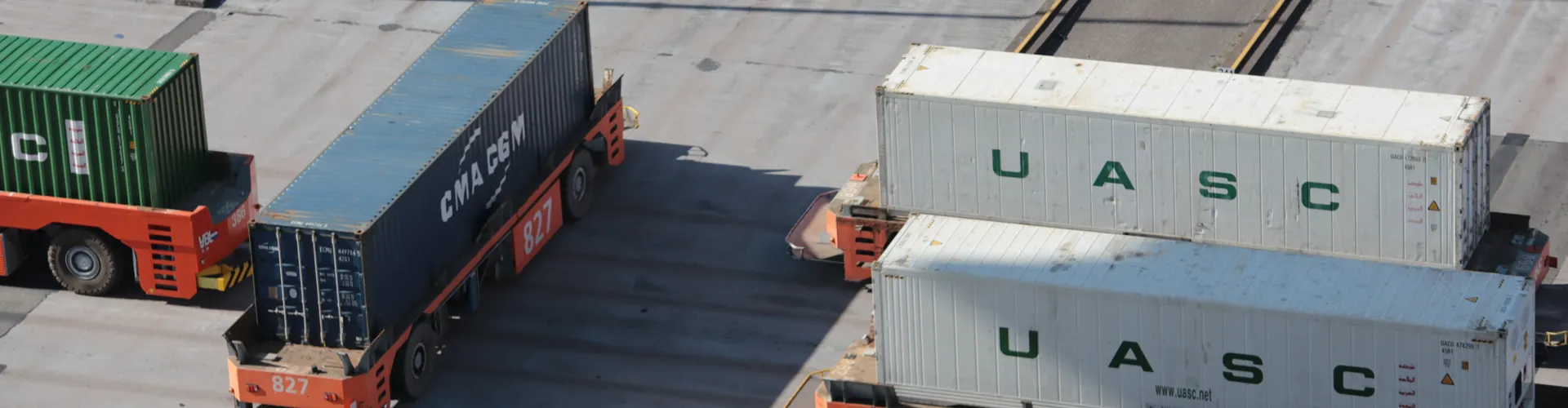
For trucking companies, road safety, cargo security, and fleet efficiency are closely connected. Whether a business operates long-haul trucks, regional freight vehicles, or last-mile delivery vans, having clear visibility into vehicle operations can help fleet managers identify risks, investigate incidents, and make more informed decisions.
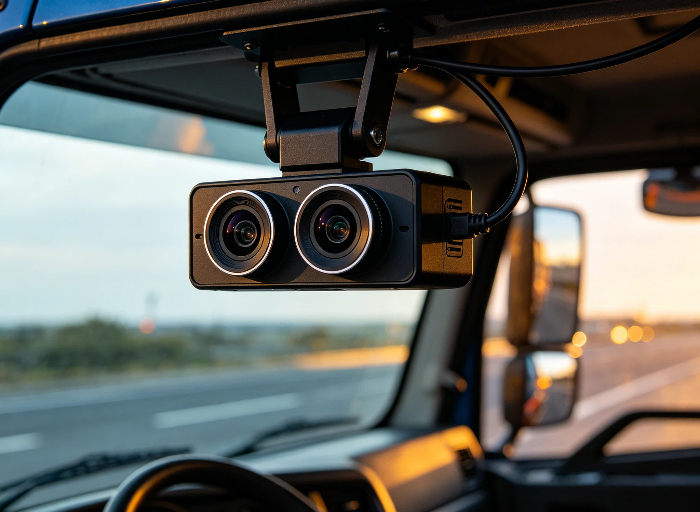
A dashcam for fleet operations does more than record the road ahead. Depending on the system configuration, it can combine video evidence, driver behavior monitoring, GPS location data, and fleet management tools to provide a clearer picture of what happens on the road.
However, not every fleet needs the same configuration. Before investing in fleet dashcam solutions, trucking companies should understand which features are essential, which depend on their operating conditions, and how different systems fit into their existing fleet management processes.
Why Do Trucking Companies Need Fleet Dashcams?
Commercial trucking involves risks that are difficult to manage through driver reports and GPS data alone. Video footage provides additional context, helping businesses understand incidents and improve daily operations.
Improved road safety. Fleet safety dashcams can help identify risky driving behaviors, such as distracted driving, harsh braking, and unsafe following distances, when the selected system supports these detection capabilities. Managers can use relevant footage and event alerts to guide driver training and encourage safer driving practices.
Clearer incident investigations. When an accident, cargo dispute, or customer complaint occurs, recorded footage can provide useful evidence of the events leading up to the incident. This can help fleet operators review what happened more objectively.
Better operational visibility. GPS-enabled systems can connect video footage with vehicle location and trip information. A fleet tracking dashcam can help managers understand where an event occurred and review the surrounding driving conditions.
More effective fleet management. Video records can reveal recurring operational problems, support driver performance reviews, and help businesses develop more consistent safety procedures across multiple vehicles.
For trucking companies managing vehicles across long distances or multiple regions, these capabilities can make fleet monitoring more systematic and evidence-based.
Key Features to Consider When Choosing a Fleet Dashcam
The right truck camera system should match your fleet size, vehicle types, risk exposure, and management requirements. The following features are worth evaluating before making a purchasing decision.
1. Front-Facing and Multi-Camera Recording
The first consideration is what the system needs to capture.
A front-facing camera records the road ahead, providing footage of traffic conditions, collisions, and other external events. This is a practical starting point for fleets that primarily need road-facing evidence.
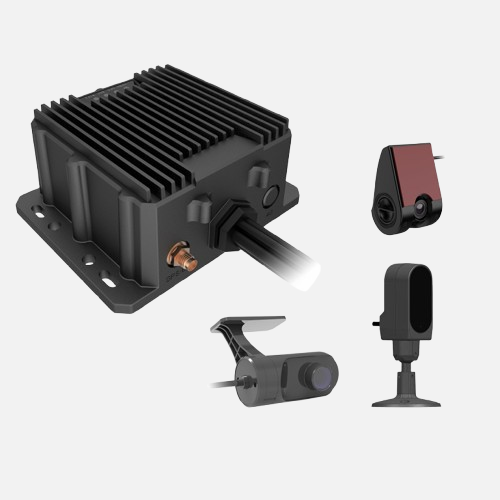
Some trucking operations require broader coverage. Depending on the vehicle and application, additional cameras may monitor the driver, passenger compartment, side views, or cargo area. Multi-camera fleet video camera systems can help reduce blind spots in incident reviews and provide a more complete view of vehicle operations.
When comparing dashcams for fleet vehicles, consider the following questions:
- Does the system support front-facing recording only or multiple camera channels?
- Is an inward-facing camera needed for driver monitoring?
- Do loading, unloading, or cargo-security procedures require additional camera coverage?
- Can the selected configuration accommodate the fleet’s different vehicle types?
Rather than installing the maximum number of cameras in every vehicle, prioritize coverage based on the risks and monitoring requirements of each operation.
2. AI Driver Monitoring and Driver Behavior Detection
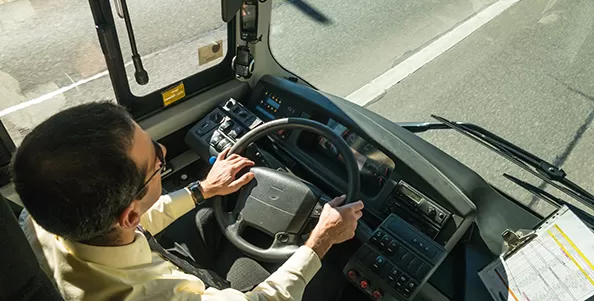
Driver behavior is an important factor in fleet safety. Some AI dashcams use in-cabin cameras and intelligent algorithms to detect specific behaviors, such as distracted driving, phone use, or signs of drowsiness.
When supported by the device, these functions can help identify potential safety risks and provide timely alerts. Fleet managers can also use event records to identify recurring patterns and organize targeted driver coaching.
Before selecting an AI-enabled system, check which events it can detect, whether alerts are generated in real time or reviewed later, and how the system performs under different lighting and driving conditions.
3. Advanced Driver Assistance System (ADAS)
Advanced Driver Assistance Systems (ADAS) can provide alerts about certain potential road hazards. Depending on the device, supported functions may include forward collision warnings, lane departure warnings, and following-distance alerts.
For long-haul trucking companies, these functions may help drivers remain aware of changing traffic conditions during extended journeys. For regional and delivery fleets, they can provide an additional layer of awareness in busy traffic environments.
When evaluating fleet safety cameras with ADAS, consider the types of warnings available, how alerts are delivered, and whether the system requires calibration after installation or changes to the vehicle.
4. GPS Tracking and Video Telematics Integration
A fleet tracking dashcam may combine video recording with GPS data, allowing managers to associate specific events with a vehicle’s location. When the system also supports compatible fleet management software, operators can review driving routes, investigate incidents, and understand vehicle activity from a centralized interface.
For businesses managing geographically dispersed fleets, integration can reduce the effort required to compare information from separate systems.
Before purchasing, confirm whether the solution supports:
- GPS positioning and trip-related information
- Video playback associated with relevant events
- Centralized fleet monitoring
- Integration with existing fleet management platforms, where required
- Access permissions for managers, dispatchers, and other authorized users
5. Real-Time Alerts and Remote Video Access
For fleets operating across multiple locations, waiting until vehicles return to the depot to review footage may delay incident investigations.
Systems with supported connectivity features may allow authorized managers to receive event notifications or access selected video remotely. Depending on the configuration, this can help teams respond more quickly to safety incidents and review important events without physically retrieving the recording device.
When comparing fleet dashcam solutions, ask whether the system supports live viewing, event-triggered uploads, remote playback, or only local recording. These functions have different hardware, connectivity, and data usage requirements.
6. Video Storage and Data Management
Reliable recording is essential, but fleet managers also need to understand how footage is stored and retrieved.
Common considerations include local storage capacity, recording duration, event-based recording, video quality, and the process for retrieving important clips. Some systems may also support cloud storage or remote video transfer, depending on the model and service plan.
Higher-resolution recording can provide more visual detail, but it also increases storage and data requirements. Trucking companies should balance image quality against retention needs, connectivity costs, and the number of cameras installed per vehicle.
7. Connectivity and Fleet Management Software
Depending on the product, connectivity options may include cellular networks, Wi-Fi, Bluetooth, or wired connections to compatible equipment. Not every device supports every option, and different connections serve different purposes.
For fleets that require remote monitoring, verify network compatibility in the countries and regions where vehicles operate. This is particularly important for international trucking operations that cross areas with different network coverage and connectivity conditions.
Software is equally important. A centralized platform can simplify vehicle management by bringing supported video, event alerts, GPS information, and fleet records together. Before deployment, evaluate user permissions, reporting functions, device management, and compatibility with existing systems.
8. Durability and Suitability for Commercial Vehicles
Trucks and delivery vehicles operate in demanding conditions. Vibration, temperature changes, dust, and long operating hours can affect the reliability of electronic equipment.
When choosing a commercial truck camera system, check the device’s specified operating temperature, vibration resistance, power requirements, mounting options, and suitability for the intended vehicle environment.
Installation should also be considered. A system that is difficult to install, maintain, or service across a large fleet may increase long-term operating costs.
For businesses operating different vehicle types, confirm whether the same camera configuration can be used throughout the fleet or whether separate configurations are needed. Standardizing compatible equipment can simplify training, installation, and maintenance, but vehicle-specific requirements should take priority.
Which Fleet Dashcam Configuration Is Right for Your Business?
The ideal configuration depends on how vehicles are used, the risks they face, and the level of monitoring required.
| Fleet type | Recommended priorities | Features to evaluate |
| Long-haul trucking | Road safety and incident evidence | Front-facing recording, GPS integration, suitable storage capacity |
| Regional freight fleets | Consistent safety monitoring and operational visibility | Road-facing cameras, driver monitoring, event alerts |
| High-value cargo transportation | Route visibility and incident investigation | GPS-linked video, additional camera coverage, remote access where supported |
| Last-mile delivery fleets | Driver safety and frequent incident review | Delivery fleet dashcams, compact installation, event recording |
| Large mixed-vehicle fleets | Centralized management and scalable deployment | Fleet video camera systems, software compatibility, standardized configurations |
These recommendations are starting points rather than fixed specifications. For example, a high-value cargo fleet may need additional cargo-area monitoring, while a delivery operator may prioritize driver behavior alerts and straightforward video retrieval.
The best solution is the one that addresses the fleet’s actual risks without adding unnecessary equipment or operating complexity.
Conclusion
Choosing the right dashcam for fleet operations requires more than comparing camera resolution or the number of available features. Trucking companies should evaluate recording coverage, driver monitoring, ADAS, GPS integration, remote access, storage, connectivity, and durability in the context of their actual fleet requirements.
Before making a decision, define the main risks you want to address, confirm the capabilities of each proposed configuration, and assess the total cost of ownership.
HBOIOT provides fleet monitoring and vehicle security technology for commercial transportation applications. Trucking companies evaluating fleet dashcam solutions can explore the available product configurations and discuss their requirements to identify a suitable approach for improving fleet visibility, supporting driver safety, and managing vehicles more effectively.