
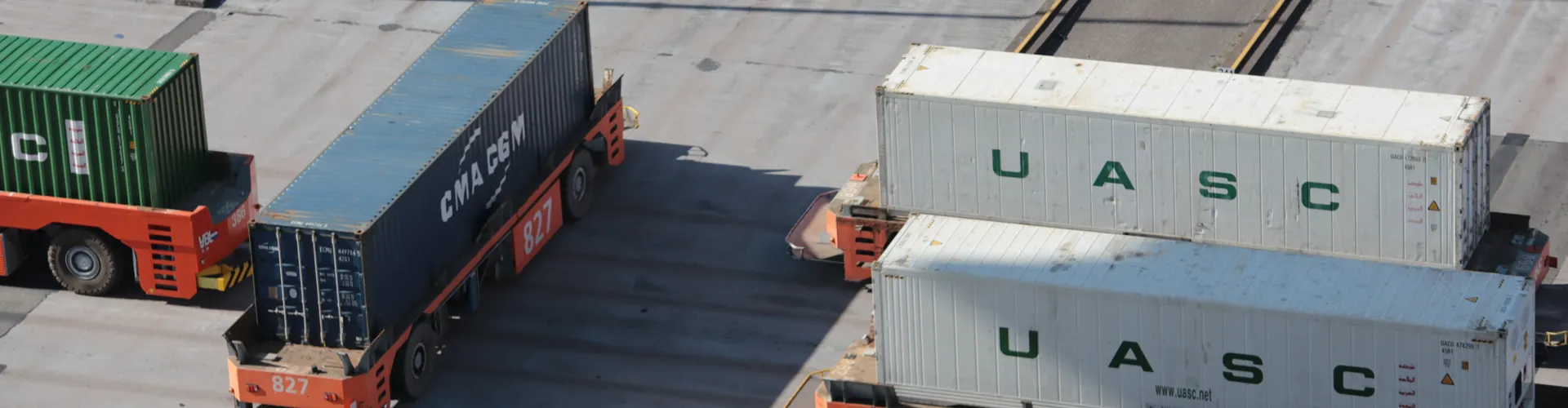
Unlike traditional mechanical locks or disposable seals, a GPS E-Lock combines multiple technologies, including electronic locking mechanisms, GPS positioning, wireless communication, tamper detection, and remote monitoring platforms. This allows businesses to track assets, detect unauthorized access, and manage cargo security throughout the transportation process.
One of the most common questions from buyers is: How much does a GPS E-Lock cost?
The answer depends on many factors. There is no single fixed price because GPS E-Lock solutions vary significantly based on hardware configuration, communication technology, battery requirements, software functions, customization needs, and application scenarios.
When evaluating GPS E-Lock suppliers, businesses should not only consider the initial device cost but also evaluate the overall value, including security performance, reliability, scalability, and long-term operational expenses.
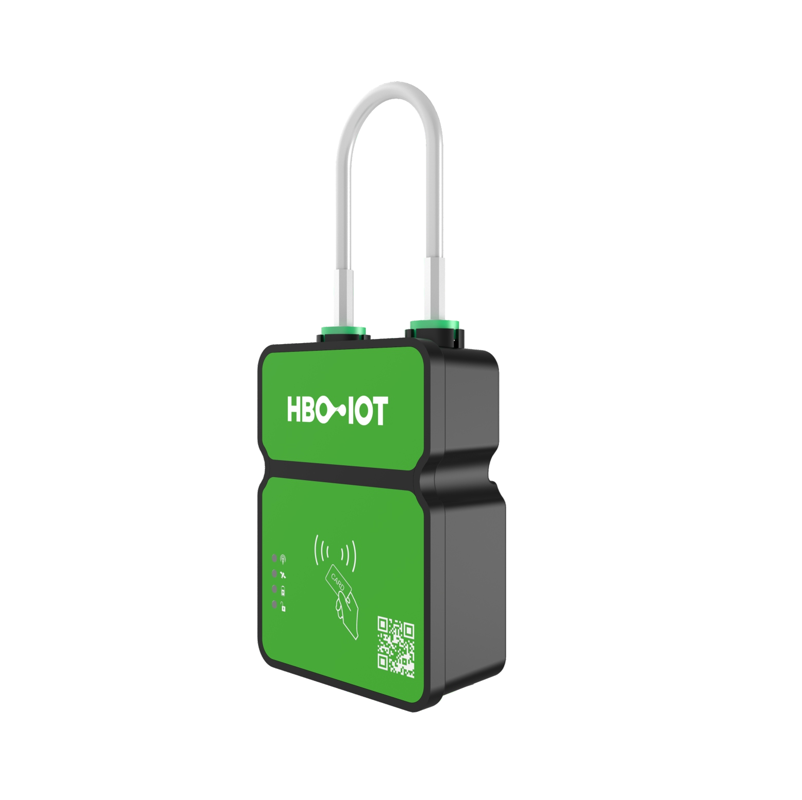
1. GPS E-Lock Hardware Configuration and Features
The hardware design is one of the primary factors affecting GPS E-Lock pricing. Different applications require different levels of security and functionality.
Lock Structure and Material
A GPS E-Lock used for international container transportation must withstand harsh transportation environments, including rain, dust, vibration, and long-distance movement.
Factors that influence hardware cost include:
- Lock body strength
- Anti-prying structure
- Weather resistance
- Industrial durability
- Protection rating
For example, a smart lock designed for high-value cargo or customs transit requires stronger physical protection compared with basic tracking applications.
Positioning Technology
GPS E-Locks may support different positioning technologies, including:
- GPS positioning
- BDS positioning
- LBS positioning
- Multi-mode positioning
Multi-mode positioning combines multiple location technologies to improve tracking reliability, especially in areas where GPS signals may be limited.
However, more advanced positioning capabilities generally require additional hardware components, which can affect the overall cost.
Security Detection Features
Different GPS E-Lock models may include various security functions, such as:
- Unauthorized unlocking detection
- Lock wire cutting detection
- Tamper alarms
- Vibration detection
- Door status monitoring
The more advanced the security functions, the higher the product development and manufacturing requirements.
2. Communication Technology and Connectivity Costs
Communication capability is another important factor influencing GPS E-Lock pricing.
A GPS E-Lock needs to transmit location information and security events to a management platform, which requires reliable wireless communication.
Cellular Communication
Many GPS E-Locks use cellular communication technologies such as: 2G/4G LTE/Other regional network standards.
The communication module selected affects both hardware cost and global compatibility.
For international logistics applications, suppliers may need to provide different communication versions to support various countries and regions.
IoT Communication Technologies
Some GPS E-Lock solutions may also use IoT communication technologies such as: NB-IoT, LTE-M.
These technologies can provide advantages in power consumption and network coverage, depending on the deployment environment.
When purchasing GPS E-Locks for overseas markets, buyers should consider whether the device supports local communication networks.
3. Battery Capacity and Power Management
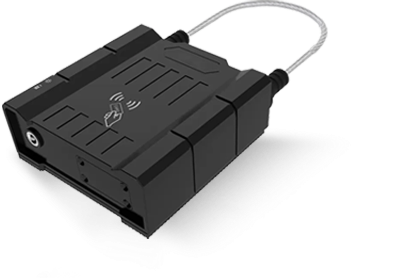
Battery performance plays a key role in the usability, maintenance frequency, and overall cost of a GPS E-Lock. For applications such as cross-border logistics and container transportation, devices often need to operate reliably for weeks or even months without frequent charging or maintenance.
When evaluating battery-related costs, buyers should consider factors such as battery capacity, operating time, charging methods, and power management technology.
Advanced GPS E-Locks typically use intelligent power-saving features, including standby sleep modes, motion-based activation, and optimized data transmission intervals, to extend battery life while ensuring effective tracking and security monitoring. A longer operating duration usually depends on more advanced battery systems and efficient power management algorithms.
4. GPS E-Lock Software Platform and Management System
A GPS E-Lock is more than just a hardware device; its software platform is an essential part of the overall tracking and management solution. A professional GPS E-Lock system can provide real-time location tracking, route monitoring, geo-fencing alerts, historical tracking data, user management, and operational reports to help businesses improve logistics visibility and control.
Before selecting a GPS E-Lock solution, buyers should also evaluate the platform features, including whether the tracking system is included, if subscription fees are required, whether API integration is available, and whether it can connect with existing TMS or fleet management systems. For large logistics companies and government projects, software compatibility and scalability are often as important as the hardware performance itself.
5. Customization Requirements for OEM/ODM Projects
For distributors, system integrators, and large enterprises, customization requirements can significantly affect GPS E-Lock pricing.
OEM/ODM customization may include:
| Customization Type | Examples |
| Branding customization | Logo printing, packaging design, product labels |
| Hardware customization | Customized structure, additional modules, interface changes |
| Firmware customization | Special functions, communication protocols, operating logic |
| Software customization | Platform interface, API integration, customized dashboards |
| Industry customization | Solutions designed for logistics, customs, fuel transportation, or other industries |
Customized projects usually require additional engineering and testing resources.
However, OEM/ODM cooperation allows businesses to develop differentiated products, strengthen their brand, and better meet local market requirements.
6. Order Quantity and Procurement Volume
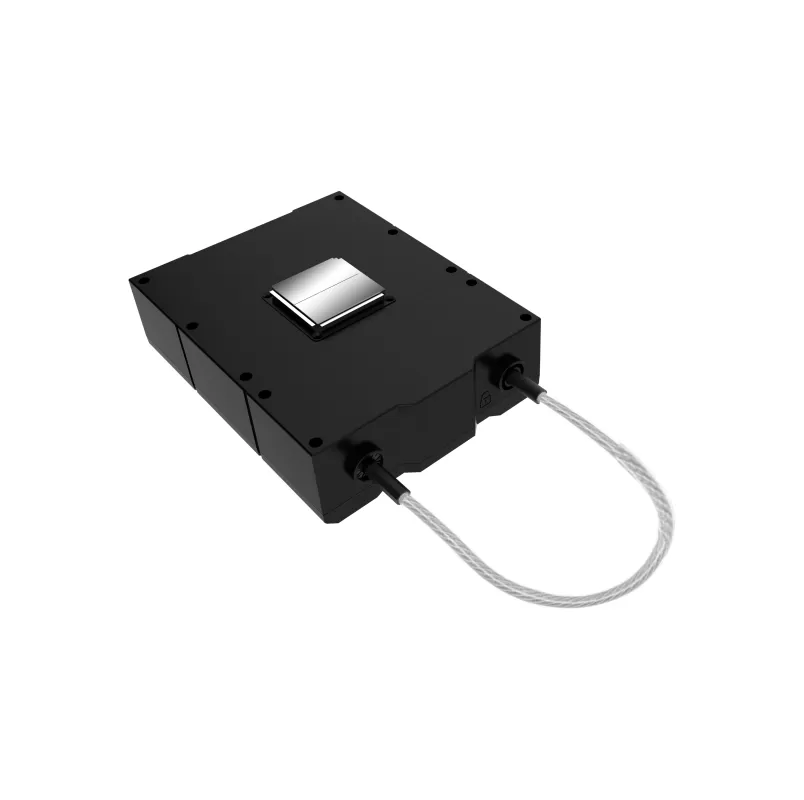
The purchase quantity is another major factor affecting GPS E-Lock unit pricing.
Small Quantity Orders
Small-volume purchases usually have:
- Higher manufacturing costs per unit
- Limited customization options
- Standard product configurations
They are suitable for testing, pilot projects, or small fleet deployments.
Large Volume Orders
Large-scale projects may benefit from:
- Lower unit prices
- Customized solutions
- Dedicated technical support
- More flexible product configurations
For logistics operators, distributors, and government projects, discussing long-term cooperation plans with manufacturers can help optimize procurement costs.
7. Application Scenarios Affect GPS E-Lock Costs
The cost of a GPS E-Lock is closely related to its intended application scenario, as different industries require different levels of security, monitoring, and integration capabilities.
For container and cross-border logistics, GPS E-Locks typically need long battery life, real-time location tracking, tamper alerts, and remote monitoring functions to help companies reduce cargo theft risks and improve supply chain visibility.
In customs transit management, solutions may require electronic sealing, digital audit records, geo-fencing, and integration with regulatory platforms to support more efficient cargo supervision and clearance processes.
Fuel tanker transportation often involves more complex security requirements due to hazardous environments and multiple control points. In these applications, GPS E-Lock solutions may need features such as wireless slave locks, multi-point monitoring, and secure unloading control.
Therefore, the specific application environment and required functions play a major role in determining the complexity, configuration, and overall cost of a GPS E-Lock solution.
8. Additional Costs to Consider When Purchasing GPS E-Locks
The device price is only one part of the total investment.
Businesses should also consider additional costs, including:
Connectivity Costs
These may include:
- SIM card charges
- Mobile data usage
- Communication service fees
Platform Costs
In addition, some solutions may involve platform-related costs, including cloud platform subscriptions, data storage, and software service fees.
Installation and Maintenance Costs
Installation, device replacement, technical support, and system maintenance should also be included in the overall budget planning.
Considering the total cost of ownership (TCO) provides a more accurate understanding of the investment required.
Conclusion
The cost of a GPS E-Lock depends on many factors, including hardware configuration, communication technology, battery performance, software platform, customization requirements, and application scenarios.
Instead of choosing a product based only on price, businesses should evaluate the overall value of the solution, including reliability, security capabilities, scalability, and long-term support.
By partnering with an experienced GPS E-Lock manufacturer like HBOIOT, companies can build secure and intelligent cargo monitoring systems that improve transportation safety and operational efficiency.