
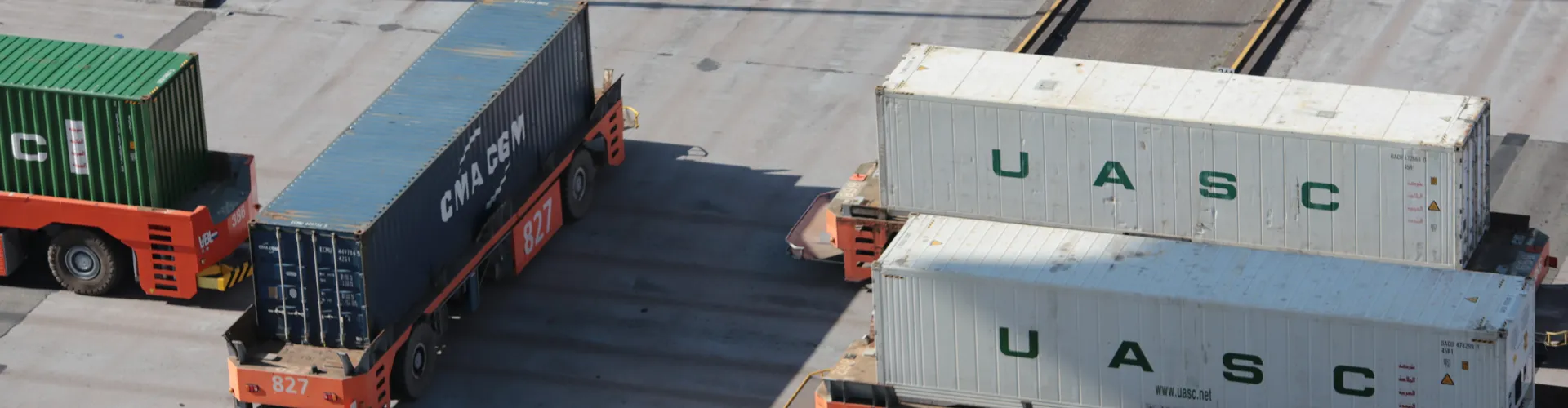
Cargo transportation plays an essential role in Africa’s growing trade and logistics industry. From cross-border freight transportation to container shipping and long-distance trucking, logistics companies must ensure that goods reach their destinations safely and on schedule. However, cargo theft, unauthorized access, limited shipment visibility, and challenging transportation conditions continue to create operational risks.
Traditional security measures, such as mechanical locks and manual inspections, often cannot provide the real-time visibility and protection required by modern logistics operations. As a result, more companies are turning to smart cargo security solutions that combine GPS tracking, electronic cargo seals, remote monitoring, and video telematics.
These technologies help logistics operators strengthen truck cargo security, monitor container movements, and respond more effectively to potential security incidents.
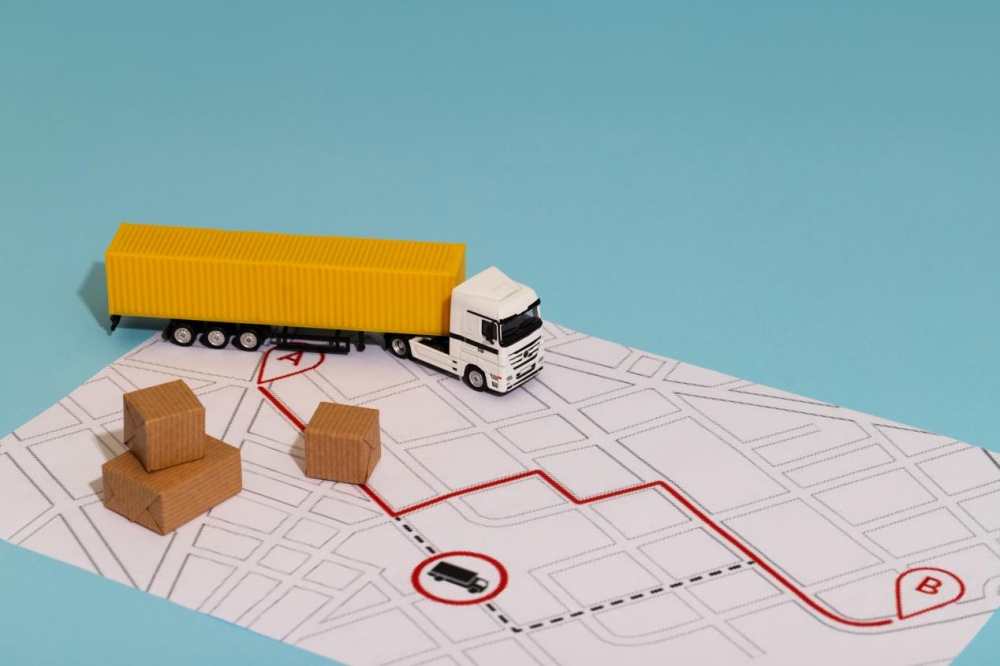
1. Major Cargo Security Challenges Facing African Logistics Companies
African logistics companies operate across diverse transportation environments, including urban distribution networks, remote highways, ports, and international borders. These conditions create several challenges for cargo protection.
Cargo Theft and Unauthorized Access
Cargo theft remains a major concern during transportation and temporary storage. Trucks carrying valuable goods may face security risks at roadside stops, warehouses, and border crossings. Unauthorized container opening or tampering can result in financial losses, delivery delays, and disputes between logistics providers and cargo owners.
Traditional mechanical seals can indicate whether a container has been physically opened, but they cannot transmit real-time alerts or provide information about where an incident occurred.
Limited Shipment Visibility
Long-distance and cross-border transportation often involves multiple vehicles, checkpoints, and logistics partners. Without reliable tracking systems, operators may struggle to monitor cargo locations, identify unexpected stops, or detect route deviations.
Limited visibility also makes it harder to coordinate deliveries and investigate transportation incidents.
Limitations of Traditional Security Methods
Manual inspections and conventional locks provide basic physical protection but offer limited remote monitoring capabilities. Even standard GPS trackers, while useful for vehicle positioning, cannot independently prevent unauthorized access to cargo containers.
These limitations highlight the need for integrated cargo security systems that combine physical protection with real-time monitoring and digital management.
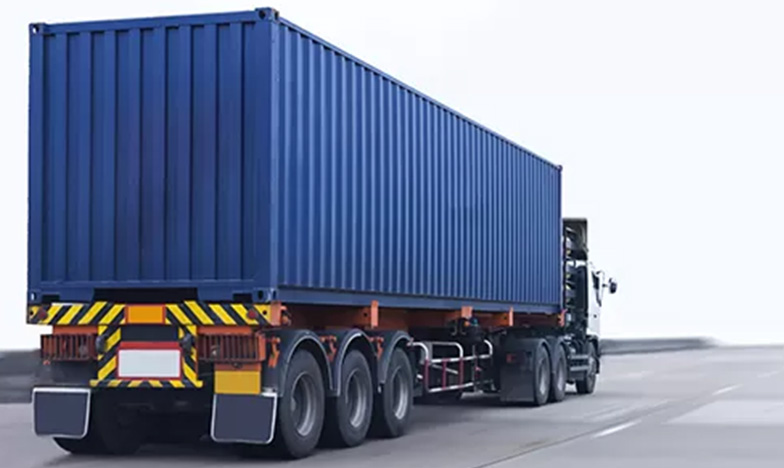
2. What Are Smart Cargo Security Solutions?
Smart cargo security solutions use connected devices, positioning technologies, and cloud-based platforms to protect goods throughout transportation.
Unlike traditional security methods, these systems can monitor cargo movements, detect unauthorized access, and transmit alerts to fleet managers. They also provide digital records that help logistics companies review transportation activities and improve operational accountability.
Common technologies include:
- GPS/GNSS positioning:Provides real-time location information for trucks and containers.
- Electronic cargo seals:Secure container doors and detect unauthorized opening or tampering.
- RFID authentication: Controls access through authorized identification.
- Cellular communication:Transmits tracking information and security alerts to monitoring platforms.
- Cloud-based management: Allows operators to monitor multiple shipments and review transportation records remotely.
By combining these technologies, logistics companies can move beyond basic cargo protection toward more proactive security management.
3. Essential Technologies for Improving Cargo Security
GPS E-Lock and Electronic Cargo Seals
Electronic cargo seals are an important component of modern cargo security solutions, particularly for container transportation and cross-border freight.
Unlike mechanical seals, a GPS E-Lock combines physical locking mechanisms with electronic monitoring and positioning capabilities. It helps protect container doors while providing visibility into cargo movements.
Key features may include:
- Real-time GPS tracking of containers and transportation vehicles.
- Tamper detection and unauthorized opening alerts.
- Remote locking and unlocking capabilities.
- RFID-based access authentication.
- Geo-fencing and route monitoring.
- Historical tracking records for transportation verification.
When suspicious activity occurs, the system can notify authorized personnel, allowing them to investigate and respond more quickly. These capabilities make GPS E-Locks particularly useful for securing valuable shipments during long-distance transportation.
GPS Cargo Tracking for Real-Time Visibility
GPS cargo tracking allows logistics operators to monitor the locations and movements of trucks and containers throughout the transportation process.
With a centralized tracking platform, fleet managers can check vehicle positions, review transportation routes, and identify unexpected stops or route deviations. This improves container shipment tracking and helps companies maintain better control over deliveries.
For cross-border logistics, GPS tracking also provides useful transportation records that support communication between logistics providers, cargo owners, and other stakeholders.
Video Telematics Systems for Truck Cargo Security
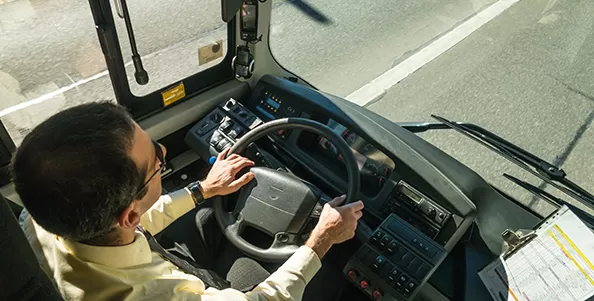
Cargo protection also depends on vehicle and driver safety. A video telematics system combines video recording, GPS positioning, and driving behavior monitoring to improve fleet security.
AI-powered dashcams can provide several useful functions:
- Driver Monitoring System (DMS): Detects behaviors such as fatigue, distraction, and other driving risks.
- Advanced Driver Assistance System (ADAS):Identifies potential road hazards and provides driving warnings.
- Video recording:Captures road conditions and driving activities for incident investigation.
- Remote video monitoring: Allows fleet managers to review vehicle conditions and driving events.
Although video telematics does not directly lock or secure cargo containers, it complements electronic cargo seals and GPS tracking by improving overall transportation safety and accountability.
Centralized Cloud-Based Monitoring
Managing multiple vehicles and shipments through separate systems can create unnecessary complexity.
A centralized cloud platform integrates tracking devices, electronic locks, and video telematics into a unified management interface. Logistics operators can monitor shipment locations, receive security alerts, review historical records, and manage transportation activities remotely.
This integrated approach improves operational efficiency and provides a clearer picture of cargo security across the entire fleet.
4. How Smart Cargo Security Systems Benefit African Logistics Companies
Implementing smart cargo security systems can improve both cargo protection and transportation management.
Reduce Cargo Theft Risks
Electronic cargo seals help detect unauthorized container access, while GPS tracking provides location information when suspicious activities occur. Together, these technologies improve security awareness and support faster incident response.
Improve Cross-Border Shipment Monitoring
GPS cargo tracking and electronic seals provide continuous shipment visibility across transportation routes. Logistics operators can monitor container movements, identify unexpected stops, and maintain more reliable transportation records.
Strengthen Fleet Safety
Video telematics systems help identify unsafe driving behaviors and provide video evidence when accidents or disputes occur. This supports better driver management and reduces operational risks.
Increase Operational Efficiency
Automated tracking and remote monitoring reduce dependence on manual inspections and repeated status updates. Fleet managers can access shipment information more efficiently, coordinate transportation activities, and make better-informed decisions.
5. How to Choose the Right Cargo Security Solutions
Selecting suitable cargo security solutions requires evaluating transportation conditions, operational requirements, and local infrastructure.
Check Network Compatibility
Communication coverage varies across African countries and transportation routes. Companies should check whether devices support the cellular networks available in their operating regions. Multi-network or dual-SIM configurations may help improve connectivity for cross-border operations.
Offline data storage and automatic synchronization are also valuable when vehicles travel through areas with limited network coverage.
Consider Battery Life and Charging Options
Long-distance transportation requires devices that can operate reliably over extended periods. Battery capacity, power consumption, and charging methods should be considered. Solar-assisted or other alternative charging options may be useful for certain applications.
Evaluate Durability
Cargo security devices may be exposed to dust, rain, vibration, and temperature variations. Choosing equipment with suitable waterproof, dustproof, and impact-resistant protection helps maintain reliable performance in demanding transportation environments.
Look for Integration and Customization
Logistics companies may already use fleet management or transportation platforms. Choosing solutions that support API integration can simplify data management and reduce the need for separate systems.
Hardware configurations, communication methods, and software functions should also be adaptable to different vehicle types, container specifications, and project requirements.
6. Conclusion
Effective cargo protection requires more than a single tracking device or locking mechanism. GPS E-Locks, GPS cargo tracking, and video telematics address different aspects of transportation security and can work together to create a more comprehensive management system.
By integrating these technologies into a centralized platform, logistics companies can improve shipment visibility, strengthen truck cargo security, and manage transportation risks more effectively.
For African logistics companies handling cross-border freight, container shipments, and long-distance trucking, adopting intelligent cargo security solutions is an important step toward safer and more efficient operations.
With experience in IoV hardware and software development, HBOIOT provides GPS E-Lock, electronic cargo tracking, and video telematics solutions for logistics and fleet management applications. Its customizable products and platforms help businesses improve cargo protection, monitor transportation activities, and build more reliable logistics operations.