

AI dashcams are becoming an important part of modern fleet management. Unlike traditional dashcams that mainly record what happens on the road, AI-powered dashcams can analyze driving conditions and identify potential safety risks in real time.
Two technologies are particularly important in this area: ADAS (Advanced Driver Assistance Systems) and DMS (Driver Monitoring Systems).
Although both use cameras and artificial intelligence, they have different purposes. ADAS focuses on the road and surrounding driving environment, while DMS focuses on the driver. Understanding this difference can help fleet operators choose the right AI dashcam and build a more comprehensive fleet safety strategy.
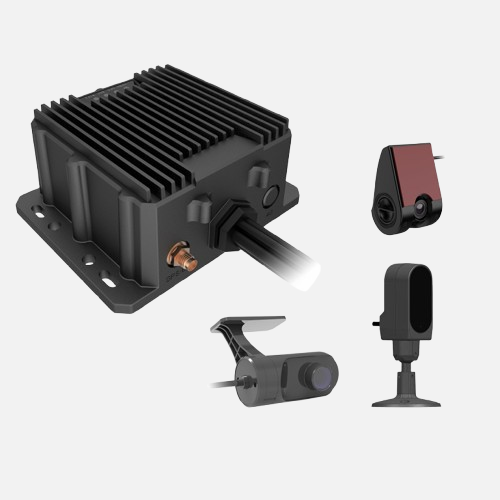
What Is ADAS in an AI Dashcam?
ADAS, or Advanced Driver Assistance Systems, uses cameras and AI algorithms to monitor the road and surrounding driving environment. Its primary purpose is to identify potential road hazards and provide drivers with timely warnings.
In an AI dashcam, a forward-facing camera captures visual information from the road. AI algorithms then analyze this information to identify situations that may require the driver’s attention.
What Does ADAS Monitor?
ADAS primarily monitors the external environment around the vehicle, including:
- Vehicles ahead
- Lane markings
- Following distance
- Potential collision risks
- Pedestrians and other road users, depending on system capabilities
By continuously analyzing these conditions, an ADAS camera can help identify potentially dangerous situations before they develop into an accident.
Common ADAS Functions in AI Dashcams
Depending on the specific AI dashcam and its capabilities, common ADAS functions may include:
Forward Collision Warning (FCW)
FCW detects potential collision risks with vehicles or other objects ahead and provides a warning when the distance or closing speed reaches a potentially dangerous level.
Lane Departure Warning (LDW)
LDW monitors lane markings and can alert the driver when the vehicle unintentionally moves out of its lane.
Headway Monitoring
Headway monitoring evaluates the distance between the vehicle and the vehicle ahead. When the following distance becomes too short, the system can issue a warning to encourage safer driving.
Pedestrian Collision Warning
Where supported, AI-based systems can identify pedestrians in the vehicle’s path and provide an alert when a potential collision risk is detected.
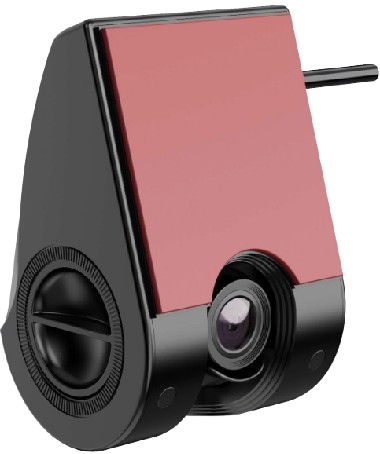
What Is DMS in an AI Dashcam?
DMS, or Driver Monitoring System, focuses on the driver rather than the road.
A DMS camera is typically positioned inside the vehicle and uses AI algorithms to analyze the driver’s attention, behavior, and signs of fatigue.
This is particularly important for commercial fleets because driver-related risks can have a significant impact on vehicle safety. A driver may be facing a hazardous road situation, but if they are distracted or fatigued, their ability to respond appropriately can be reduced.
DMS provides an additional layer of monitoring by focusing on the human factor behind the wheel.
What Does DMS Monitor?
Depending on the system, a driver monitoring system can identify behaviors and conditions such as:
- Driver fatigue
- Eye closure
- Yawning
- Driver distraction
- Mobile phone use
- Smoking
- Seatbelt use, depending on system capabilities
By continuously analyzing the driver, DMS can identify potentially unsafe behavior and generate alerts when specific risks are detected.
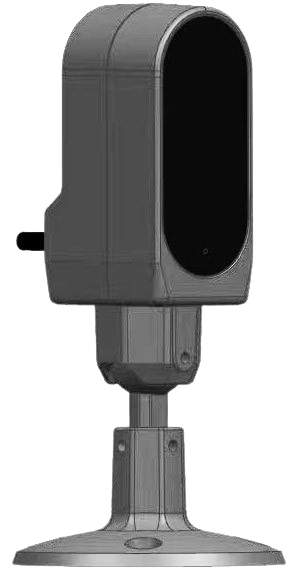
Common DMS Functions in AI Dashcams
Fatigue Detection
AI algorithms can analyze indicators such as prolonged eye closure or repeated yawning to identify possible signs of driver fatigue.
Distraction Detection
DMS can monitor the driver’s attention and detect situations where the driver is looking away from the road for an extended period.
Phone Usage Detection
Some AI dashcams can identify mobile phone use while driving, helping fleet operators address a common form of driver distraction.
Smoking Detection
Where supported, AI algorithms can identify smoking-related behavior inside the vehicle.
Yawning Detection
Frequent yawning can be one indicator associated with driver fatigue. DMS can monitor this behavior as part of a broader fatigue detection system.
Seatbelt Detection
Some systems can identify whether the driver is wearing a seatbelt, providing another tool for driver safety monitoring.
ADAS vs DMS: What Is the Difference?
The simplest way to understand the difference is: ADAS monitors the road. DMS monitors the driver.
| Feature | ADAS | DMS |
| Full Name | Advanced Driver Assistance Systems | Driver Monitoring Systems |
| Main Focus | Road and driving environment | Driver |
| Camera Direction | Forward-facing | Driver-facing |
| Main Purpose | Detect external driving risks | Detect driver-related risks |
| Typical Alerts | Collision, lane departure, unsafe following distance | Fatigue, distraction, phone use |
| Primary Safety Role | Road safety assistance | Driver behavior monitoring |
ADAS and DMS therefore address two different sources of driving risk.
ADAS asks: “What is happening around the vehicle?”
DMS asks: “What is happening with the driver?”
When these technologies are combined in an AI dashcam, fleet operators can monitor both sides of the driving environment.
How AI Dashcams Combine ADAS and DMS
An AI dashcam with both ADAS and DMS generally uses multiple cameras and AI processing to analyze different sources of visual information.
Forward-Facing Camera for ADAS
The forward-facing camera captures the road environment and provides visual data for ADAS algorithms.
This enables the system to analyze factors such as vehicles ahead, lane markings, and potential collision risks.
Driver-Facing Camera for DMS
The driver-facing camera captures the interior of the vehicle and focuses on the person behind the wheel.
AI algorithms can analyze facial and behavioral indicators to identify fatigue, distraction, phone use, and other potentially unsafe behaviors.
AI Processing and Real-Time Alerts
The basic workflow can be understood as:
Camera → AI Analysis → Risk Detection → Driver Warning → Fleet Management
This allows an AI dashcam to move beyond passive video recording.
Instead of simply storing footage for later review, the system can analyze events in real time and provide actionable safety information.
When integrated with GPS, wireless communication, and a fleet management platform, these capabilities can become part of a broader video telematics solution.
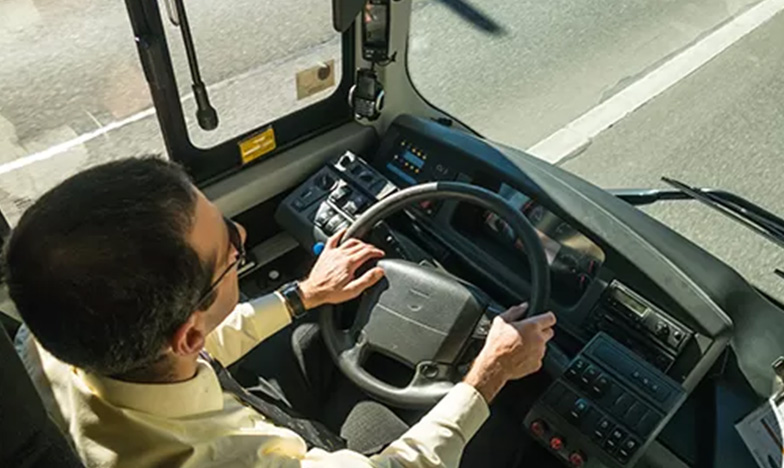
ADAS vs DMS: Which One Does Your Fleet Need?
ADAS and DMS are not necessarily competing technologies. They address different aspects of fleet safety.
The right choice depends on the fleet’s operational requirements and safety priorities.
Choose ADAS When Your Priority Is Road Safety
ADAS can be particularly useful for fleets that want to focus on:
- Forward collision risks
- Lane departure
- Following distance
- Road environment monitoring
- Driver awareness of potential road hazards
For these applications, an AI dashcam with a forward-facing ADAS camera can provide additional assistance during daily operations.
Choose DMS When Driver Behavior Is the Main Concern
DMS can be valuable for fleets where driver-related risks are a major concern, particularly when:
- Long-distance driving is common
- Driver fatigue is a concern
- Driver distraction needs to be monitored
- Driver coaching is an important part of fleet management
- Fleet operators need greater visibility into driver behavior
A driver monitoring system provides information that a road-facing camera alone cannot capture.
Consider Both for Comprehensive Fleet Safety
For fleets seeking more comprehensive monitoring, combining ADAS and DMS can provide visibility into both:
Vehicle environment + Driver behavior
This approach allows fleet operators to understand not only what happened on the road, but also the driver-related conditions surrounding a safety event.
For modern commercial fleets, this combination can serve as an important component of a broader AI-powered video telematics strategy.
HBOIOT AI Dashcams with ADAS and DMS
As a professional IoV solution provider, HBOIOT develops intelligent hardware and software designed to support connected fleet management.
Its video telematics solutions bring together technologies such as AI-powered ADAS, DMS, GPS positioning, wireless communication, video monitoring, and fleet management, helping commercial fleets move beyond traditional dashcam recording.
By combining forward-facing and driver-facing monitoring with connected vehicle technologies, HBOIOT solutions can support applications such as:
- Road and driver monitoring
- Driver behavior analysis
- Real-time safety alerts
- GPS vehicle tracking
- Video recording and playback
- Fleet safety management
- Connected vehicle operations
The combination of ADAS and DMS provides two complementary perspectives: ADAS monitors what is happening around the vehicle, while DMS monitors what is happening with the driver.
For fleet operators looking to build a safer, smarter, and more connected fleet, integrating these technologies into a complete video telematics solution can provide a more comprehensive approach to vehicle and driver safety.
Conclusion
ADAS and DMS play different but complementary roles in AI-powered fleet safety.
ADAS focuses on the road. DMS focuses on the driver.
ADAS helps identify potential hazards in the external driving environment, while DMS helps identify driver-related risks such as fatigue and distraction. When both technologies are integrated into an AI dashcam, fleet operators can gain a more comprehensive view of what is happening both inside and outside the vehicle.
As video telematics continues to evolve, the combination of AI-powered cameras, GPS tracking, wireless communication, and fleet management platforms can help commercial fleets move from passive video recording toward more proactive safety management.
HBOIOT combines AI-powered ADAS and DMS with connected vehicle technologies to support safer, smarter, and more connected fleet operations.