
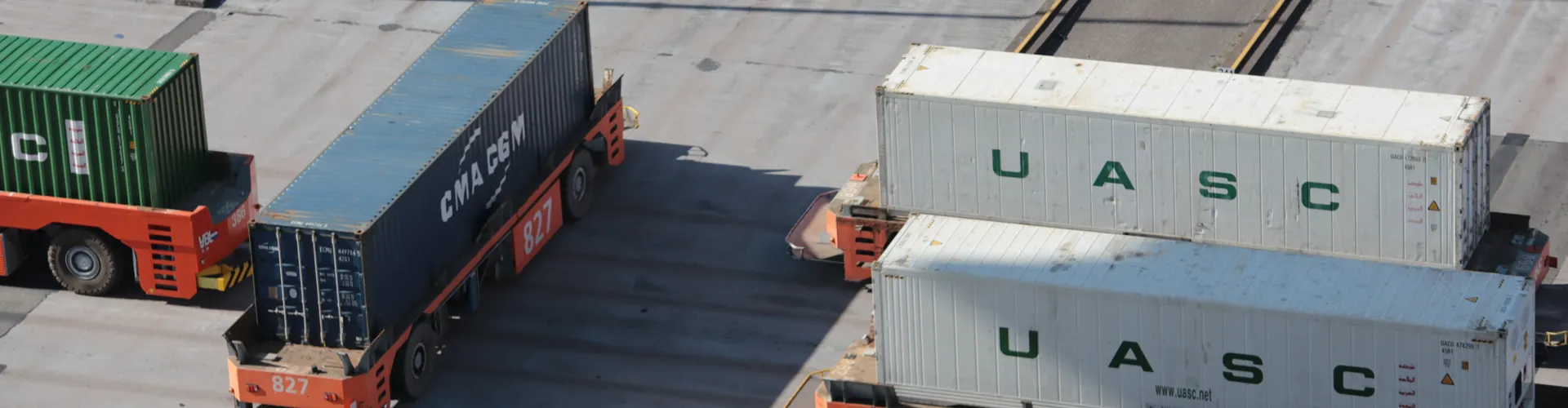
Managing a commercial fleet comes with many challenges, including driver safety risks, increasing accident costs, insurance disputes, and operational inefficiencies. For logistics companies, transportation providers, and fleet operators, having better visibility into vehicle operations has become essential.
An advanced fleet dashcam system can help businesses monitor driving behavior, identify potential safety risks, reduce accident rates, and improve overall fleet efficiency.
However, choosing the right fleet dashcam is not simply about selecting a camera with the highest resolution. Businesses need to consider factors such as fleet size, industry requirements, AI capabilities, data management, and integration with existing fleet management systems.
This guide explains the key factors businesses should consider when selecting a fleet dashcam solution.
What Is a Fleet Dashcam?
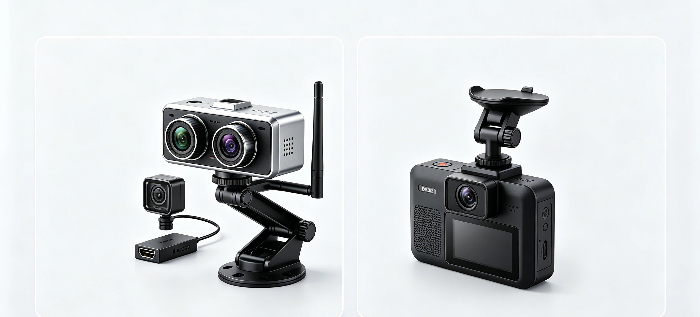
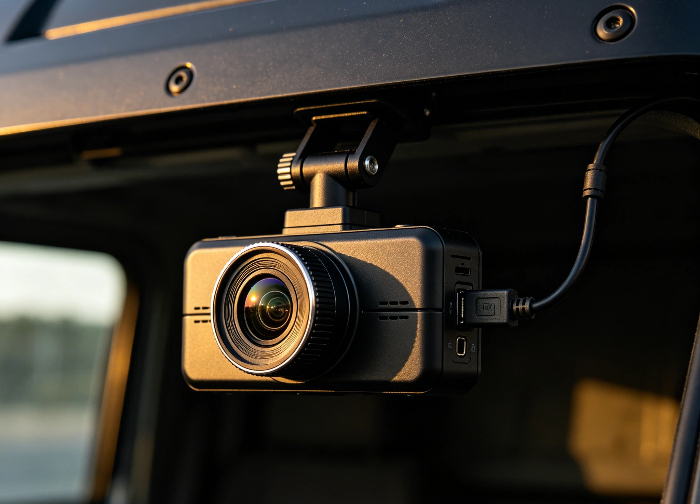
A fleet dashcam is a commercial vehicle camera system designed specifically for managing and monitoring company-owned vehicles. Unlike consumer dashcams, fleet dashcams are built for continuous operation across multiple vehicles and are usually connected to a centralized management platform.
A professional fleet dashcam system typically includes:
- Front-facing or multi-channel cameras
- GPS positioning
- Video storage
- Cloud management platform
- Driver behavior monitoring
- AI-powered safety alerts
Fleet managers can remotely access vehicle information, review recorded footage, receive safety notifications, and analyze driver performance through a single platform.
Key Factors to Consider When Choosing a Fleet Dashcam
1. Camera Type and Coverage
The first factor to consider is the type of camera configuration your fleet requires.
Different businesses have different monitoring objectives. Some companies only need road-facing video evidence, while others need to monitor driver behavior and passenger safety.
Single-Facing Dashcam
A single-facing dashcam records the road ahead and is mainly used for:
- Accident evidence collection
- Road condition monitoring
- Insurance claims support
- Driving event recording
It is suitable for fleets that mainly require external road visibility.
Dual-Facing Dashcam
A dual-facing dashcam includes both a road-facing camera and an inward-facing camera.
It can monitor:
- Driver behavior
- Distracted driving
- Fatigue
- Phone usage
- Unsafe driving habits
This type of solution is especially suitable for:
- Truck fleets
- Bus operators
- Taxi companies
- Delivery fleets
2. Video Quality and Recording Capability
Video quality is an important factor, but businesses should consider more than just resolution.
A reliable fleet dashcam should provide clear footage under different driving conditions, including daytime, nighttime, and poor weather environments.
Important features include:
- HD video recording
- Wide-angle coverage
- Night vision capability
- Stable recording performance
- Large storage capacity
- Event-based video recording
For commercial fleets, clear video evidence can help resolve accident disputes, improve driver coaching, and support insurance claims.
3. AI-Powered Safety Features
Artificial intelligence has transformed fleet dashcams from simple recording devices into proactive safety management tools.
AI-powered fleet dashcams can identify dangerous driving behaviors and provide real-time alerts before accidents happen.
Driver Monitoring System (DMS)
DMS technology focuses on driver behavior and can detect:
- Driver fatigue
- Distracted driving
- Phone usage
- Smoking while driving
- Unsafe attention patterns
By identifying risky behavior early, fleet operators can provide targeted driver training and improve road safety.
Advanced Driver Assistance System (ADAS)
ADAS uses AI algorithms and camera data to identify potential road hazards.
Common functions include:
- Lane departure warning
- Forward collision warning
- Unsafe following distance alerts
- Pedestrian detection
4. GPS Tracking and Telematics Integration
A modern fleet dashcam should not operate as an independent recording device. Its true value comes from integrating video capabilities with telematics data to provide a more comprehensive view of vehicle operations.
By combining dashcam footage with GPS tracking information, fleet managers can gain deeper insights into every driving event, including the vehicle’s exact location, the timing and circumstances of safety incidents, driver behavior during the event, and overall vehicle operating conditions.
Advanced video telematics solutions integrate multiple technologies, including video recording, GPS positioning, driver behavior analysis, and vehicle data monitoring. This integration enables fleet operators to better understand operational risks, improve driver management, and make data-driven decisions to enhance fleet efficiency and safety.
5. Cloud Platform and Remote Management
For businesses operating dozens or even hundreds of commercial vehicles, manually reviewing video footage from individual devices is inefficient and time-consuming. A cloud-based fleet dashcam platform provides centralized management and allows fleet managers to monitor vehicle activities more effectively.
With a professional cloud management platform, businesses can access multiple vehicles from a single dashboard, view live video remotely, review historical recordings, receive real-time safety alerts, generate driver performance reports, and analyze overall fleet operation data.
A powerful management platform is just as important as the dashcam hardware itself. Without efficient software support, businesses may not be able to fully utilize the valuable data collected by their fleet camera systems.
6. Storage and Data Management
Commercial fleets generate a significant amount of video data every day, making efficient storage and data management essential when selecting a fleet dashcam solution.
Businesses should consider how the system handles video storage, including local storage capacity, cloud storage availability, video retention periods, automatic event uploading, and remote access capabilities.
For example, when an accident or safety event occurs, important footage should be automatically saved and uploaded to prevent critical evidence from being overwritten. A reliable data management system ensures that fleet operators can quickly access the information they need when making safety investigations or operational decisions.

7. Installation and Device Reliability
Commercial vehicles often operate in challenging environments, including long-distance transportation, extreme temperatures, and continuous vibration. Therefore, a fleet dashcam should be designed for long-term stability and reliable performance.
Before selecting a supplier, businesses should evaluate factors such as installation requirements, compatibility with different vehicle types, operating temperature range, vibration resistance, hardware durability, and technical support services.
A reliable fleet dashcam device can reduce maintenance costs, minimize downtime, and ensure continuous monitoring of fleet operations.
Choosing a Fleet Dashcam Based on Your Industry
Different industries have different safety and operational requirements.
| Industry | Recommended Fleet Dashcam Features |
| Logistics & Trucking | GPS tracking, AI safety alerts, remote video monitoring, driver behavior analysis |
| School Bus Operations | Driver monitoring, passenger safety monitoring, real-time alerts |
| Construction Vehicles | Rugged hardware, multi-camera support, equipment monitoring |
| Public Transportation | Passenger security, route monitoring, video evidence |
| Rental Fleets | Remote management, accident verification, vehicle usage monitoring |
Choosing a solution based on industry requirements ensures better results and higher return on investment.
Why Choose HBOIOT Fleet Dashcam Solutions?
HBOIOT provides intelligent fleet dashcam and video telematics solutions designed for commercial transportation and fleet management applications.
HBOIOT solutions combine:
- AI dashcams
- MDVR systems
- GPS tracking devices
- Fleet management platforms
- Telematics technologies
With integrated hardware and software capabilities, HBOIOT helps businesses improve driver safety, reduce operational risks, and optimize fleet performance.
This solution is suitable for various industries, including logistics and transportation, public transit, school buses, construction vehicles, and commercial fleets.
By choosing an experienced telematics manufacturer, businesses can build a smarter and safer fleet management system.
Conclusion
Choosing the right fleet dashcam requires businesses to evaluate more than camera specifications. A complete fleet video solution should combine reliable hardware, AI safety features, GPS tracking, cloud management, and industry-specific capabilities.
For logistics companies, transportation providers, and fleet operators, the right dashcam system can improve driver safety, reduce accident risks, and increase operational efficiency.
HBOIOT provides advanced fleet dashcam and video telematics solutions to help businesses build safer, smarter, and more efficient transportation operations.
Frequently Asked Questions
What is the best fleet dashcam for trucks?
The best fleet dashcam depends on business requirements. Truck fleets usually benefit from solutions with GPS tracking, AI driver monitoring, ADAS features, and remote video management.
Is an AI dashcam better than a normal dashcam?
Yes. AI dashcams provide additional safety functions such as driver behavior analysis, fatigue detection, and collision warnings, making them more suitable for commercial fleets.
Can fleet dashcams track vehicle locations?
Many fleet dashcams integrate GPS tracking, allowing managers to monitor vehicle locations, routes, and driving events in real time.
How much does a fleet dashcam system cost?
The cost depends on factors such as camera type, AI functions, storage options, platform features, and fleet size.
Can fleet dashcams monitor drivers?
Yes. AI-powered fleet dashcams with Driver Monitoring Systems can detect behaviors such as distraction, fatigue, and phone usage.